
We often think of slasher movies as predictable, where the only mystery is the death of a character. But the genre’s true power often lies in a well-executed narrative twist, a reveal that redefines the entire film and leaves audiences speechless. These are the moments that transform a simple scare fest into an enduring classic.
Stay glued to your seat, as we delve into the ten most shocking and brilliantly executed reveals in slasher history.
10. The Legend Has a Source — Urban Legend (1998)
Taking inspiration from the post-scream craze, what seems like a simple premise, a killer staging murders based on urban legends hides a devilishly smart twist.
The mastermind is revealed to be Brenda Bates, a seemingly meek and vulnerable student. Her motive was cold and simple: revenge for a cruel college prank that led to her boyfriend’s death.
Brenda used her innocent face and deep knowledge of the campus to become the unseen shadow, proving that the most dangerous monster is the one you trust.
9. The Final Girl is the Threat — You’re Next (2011)
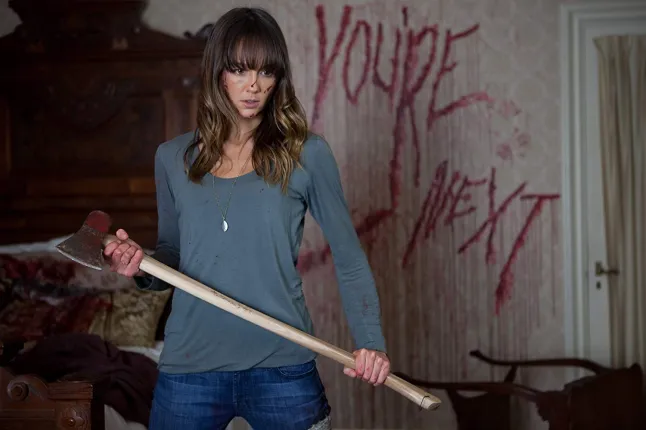
This home-invasion thriller takes a sledgehammer to the “final girl” trope. When animal-masked assailants invade a family reunion, we expect a desperate fight for survival.
The glorious twist? The accidental target, Erin (Sharni Vinson), was raised in a survivalist home. She doesn’t just survive, she expertly turns the hunters into the hunted.
Using common household items as brutal weapons, Erin became the ultimate force of nature, transforming the fight for survival into a relentless, bloody hunt that left the attackers terrified.
8. A Killer’s Guide to Stardom — Behind the Mask: The Rise of Leslie Vernon(2006)
This movie began as a mockumentary, following an aspiring serial killer named Leslie Vernon as he happily explains his “craft.”
It felt like a sick joke, until it wasn’t. The chilling pivot comes when the documentary crew realizes that Leslie’s “script” required him to become a real killer.
Their cameras capture their own authentic terror as they realize they are now part of his horrific masterpiece, which makes us question the ethics of documentary filmmaking when lives are on the line.
7. The Date is the Decoy — Happy Death Day (2017)
Forced to endlessly relive the day of her murder by a baby-masked assailant, college student Tree Gelbman was stuck in a terrifying time loop. She finally unmasks her killer, revealing her own roommate, Lori.
The motive was a small, poisonous dark thing called jealousy. Lori was livid because Tree had slept with Gregory Butler, the professor she liked.
This proved that even within a recurring nightmare, the smallest, most human resentments can drive the biggest, bloodiest betrayal.
6. The Call is Coming From Inside the House — Black Christmas (1974)
A true pioneer of fear, the dread builds slowly as a sorority house is plagued by obscene, whispering phone calls. The girls are terrified, but they feel safe knowing the danger is outside.
Then comes the shattering realization: “The call is coming from the house!” The killer was not outside; he was lurking in the attic and the corridors all along.
This twist made the horror intimate and inescapable, leaving the final moment of the film chillingly unresolved.
5. The Prank Gone Wrong — April Fool’s Day (1986)
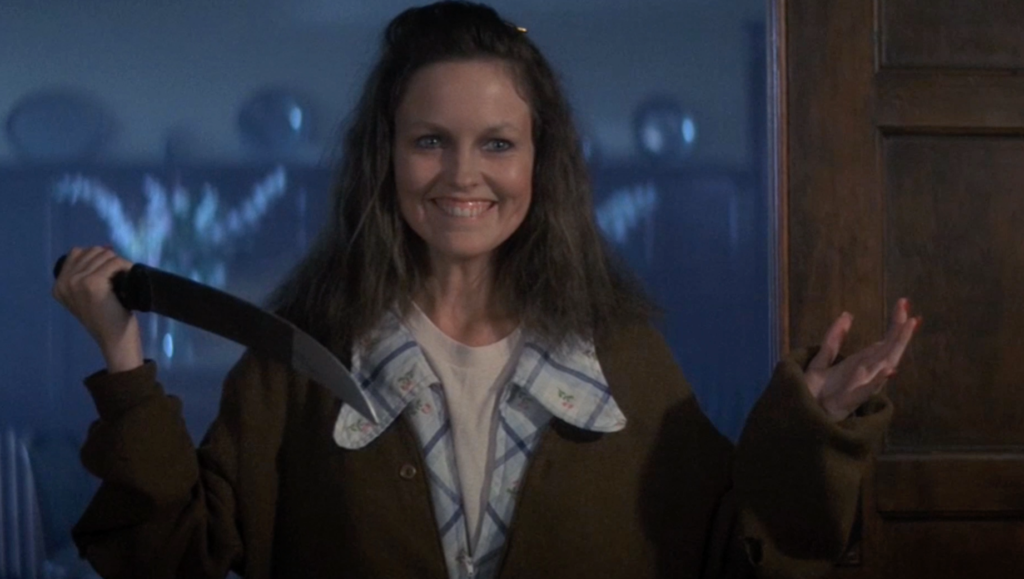
A group of friends gather for a weekend party, and one by one, they are murdered. The film delivers real tension, making the viewer expect a classic bloodbath.
The final reveal is a frustrating, clever punch in the gut; the entire weekend was an elaborate, cruel April Fools’ prank.
While it cheats the audience of a body count, it reveals the psychological damage: the raw fear and emotional betrayal inflicted on the “victims” was terrifying.
4. The Copycat Culprits — Scream(1996)
Wes Craven’s meta-horror classic taught us the rules of the genre, only to break them. We expected a single, silent killer behind the Ghostface mask.
Instead, the final confrontation reveals two killers working together: Billy Loomis and Stu Macher. They were teenagers, fueled by warped movie fandom and a craving for revenge.
This terrifying duo cemented a new fear; the monster is not a legend, but the seemingly normal boy next door.
3. The Mother of All Killers — Friday the 13th (1980)
Every sign points to a vengeful, giant man stalking Camp Crystal Lake.
The movie brilliantly tricks the audience, setting the stage for the sequels. The killer is finally revealed to be Pamela Voorhees, a kind, middle-aged woman, the mother of the drowned child, Jason.
Driven by grief and a desperate need to protect her son’s memory, she became a frenzied killer, calmly justifying her actions as a mother’s sacred duty before her own, shocking end.
2. The Mother of All Problems — Psycho (1960)
Alfred Hitchcock’s prototype for the slasher delivers a one-two punch of shocks. First, the brutal, early death of its protagonist. And, the psychological shocker that “Mother” is really Norman Bates, his psyche fully consumed by an oppressive personality.
This wasn’t a killer in a mask; it was a disturbing glimpse into a shattered mind that forever redefined screen villainy. Showcasing how trauma can create a monster no one sees coming, all set to the unforgettable, shrieking violins of Bernard Herrmann’s legendary score.
1. The Last Shock — Sleepaway Camp(1983)
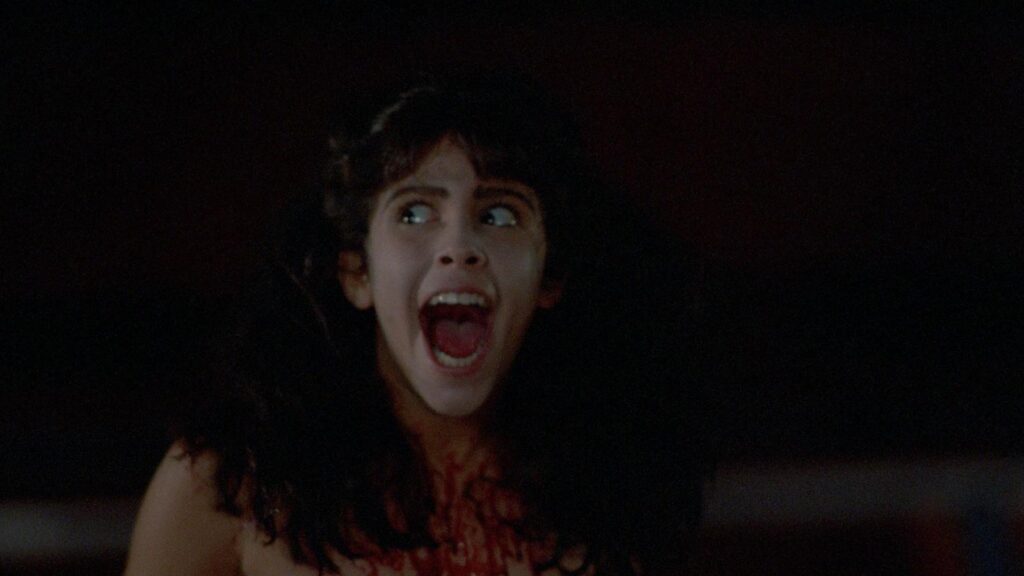
No twist in slasher history is as visually jarring and culturally indelible as this movie’s finale. After the murder, the shy and reserved Angela stands as the sole survivor.
She became the star of the movie, revealing the horrific, controversial truth about her biological identity.
It’s a disturbing and unforgettable tableau that transcends shock value to cement the film’s place in the horror hall of fame, a moment of pure, silent horror that has sparked debate for decades over its complex and often misunderstood handling of gender identity, trauma, and the monstrous results of familial pressure.
If slashers have taught us anything, it’s this: the scariest moment is always the one you never see coming.
