


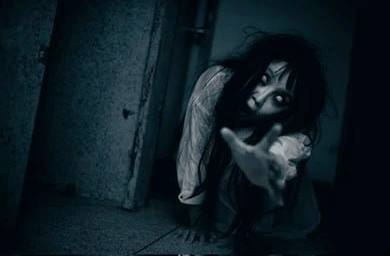
In 1968, the grainy, unexpected ending of Night of the Living Dead sent audiences stumbling into the daylight, physically shaken by a level of bleakness cinema had never seen. Fast forward to the present, and Romero’s masterpiece feels like a safe harbor.
“Ordeal Cinema” isn’t just watched; it survives from the “Video Nasties” that triggered government moral panics to modern “Iceberg” movies that live in the dark corners of the internet. We are increasingly obsessed with the films that promise to break us. But what happens to the human psyche when we treat trauma as a trophy?
Allure Of The Abyss
You know the feeling; a friend leans in and whispers, “You have to see this movie, but it’ll ruin your week.” Suddenly, you’re typing the title into a search bar. This is the gateway to Ordeal Cinema.
While horror usually starts and ends with a few jump scares and popcorn, this subculture is looking for something much more “unwatchable.” We’ve moved far beyond the Night of the Living Dead (1968) era of spooky ghouls.
Now, the internet is obsessed with a “Disturbing Movie Iceberg,” where the films at the bottom are so dark they feel like a digital dare. We don’t just watch them for the plot; we watch them to see if we’re tough enough to make it to the credits without looking away.
A History Of Transgression
Back in the day, you couldn’t just click a link to find the “forbidden stuff.” You had to know a guy who knew a guy with a grainy, unlabeled VHS tape hidden under a coat.
In the 1980s, the UK went into a full-blown moral panic over “Video Nasties” a list of movies the government claimed would literally rot your brain and turn you into a monster. They raided mom-and-pop video stores and seized tapes like they were illegal substances. But here’s the funny thing about humans the moment you tell us we aren’t allowed to see something, it becomes the only thing we want to watch.
This “forbidden fruit” energy turned movies like Cannibal Holocaust into legends. Marketing teams caught on fast, realizing that a “Banned in 40 Countries” sticker was basically a license to print money. It transformed a movie from a simple story into a dare.
Today, that physical hunt for tapes has evolved into a digital scavenger hunt. We’ve traded the dusty back-alley video store for the dark corners of Reddit and “Iceberg” memes. We aren’t just looking for a movie anymore, we’re looking for the digital ghost stories that the algorithms try to hide from us.
The psychology: Why Do We Press Play?
So, why do we pay good money or spend hours on the dark web just to feel like our stomachs are doing backflips? Scientists call it “benign masochism.” Our brains get a massive rush of adrenaline and dopamine because we’re “tricking” our survival instincts.
We get all the physiological “holy crap!” signals of a life-or-death situation, but our rational mind knows we’re actually just sitting on a couch in our pajamas eating popcorn.
In a world that often feels sanitized and safe, seeking out the unwatchable is a way to prove we haven’t gone soft. We want to see how much “reality” we can take before we have to look away and for some, the thrill is in finding out that the breaking point is much further than they thought.
The “Explained” Subculture: Terror at a Distance
If “Ordeal Cinema” is a digital dare, then YouTube is the playground where everyone gathers to talk about it. We’ve entered a strange new era where millions of people know every gory detail of a movie they have absolutely no intention of ever watching.
This is the “Explained” phenomenon Creators like Wendigoon or Spooky Rice have mastered the art of the deep-dive, taking films that would normally get you put on a watchlist and breaking them down into digestible, 20-minute video essays.
These channels have turned the “Disturbing Movie Iceberg” into a viral map, guiding curious viewers from the sunny surface of mainstream horror down into the murky trenches of the avant-garde and the extreme.
The algorithm loves it, too. One search for a “banned” trailer, and your feed becomes a buffet of the forbidden. We’ve turned the unwatchable into the ultimate “background noise” something we can study from a safe distance, making the abyss feel a little less deep, even as we stare right into it.
The Ethical Crossroad: Art or Just a Crime Scene?
There is a massive difference between a film like Martyrs, which uses extreme discomfort to ask deep questions about pain and transcendence, and a “shock-site” flick that exists just to see how much fake blood a camera can capture. When a director tries to break the viewer, are they doing it to make a point, or are they just being a digital bully?
If we spend our Friday nights watching the most disturbing things the human mind can conjure, what does that do to our reaction to real-world tragedy? We are living in an era where real-world horror is often just a click away on social media, making “extreme cinema” a strange mirror of our actual lives.
The Permanent Scar
At the end of the day, “Ordeal Cinema” isn’t going anywhere because the human brain is hardwired to look at the car crash. We are drawn to the forbidden, the banned, and the broken because they represent the parts of the human experience we aren’t allowed to talk about at dinner parties.
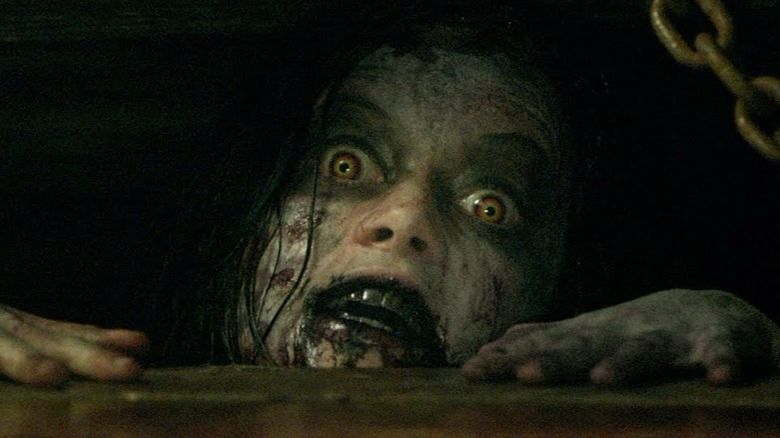
Whether we are watching a grainy 1960s classic like Night of the Living Dead or a modern “Iceberg” nightmare, we aren’t really watching the screen, we’re watching ourselves. We don’t watch these movies to find answers; we watch them to see if we’re still capable of feeling the chill.
