
Horror is the most radical genre in cinema – constantly pushing boundaries, breaking taboos, and experimenting with film form like no other. While horror borrows its plot structures from other genres (melodrama, detective stories, thrillers), what makes it unique is something deeper – the technology of fear.
Horror isn’t about what is shown – it’s about how it’s shown.
Let’s break down the core elements that define the genre – from monsters and paranoia to the showstoppers that leave us traumatized.
The Monster: The Face of Fear
What’s a horror movie without a monster? From gothic Universal classics to modern-day nightmares, horror has always relied on creatures that terrify, seduce, or disturb.
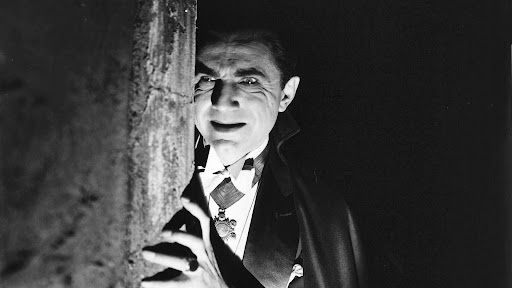
Early horror monsters had a strange allure – they weren’t just terrifying, but often charismatic and tragic. Think Dracula (1931), The Phantom of the Opera (1925), and The Mummy (1932).
The 1960s brought Vincent Price’s villainous charm, Christopher Lee’s bloodthirsty Dracula, and Barbara Steele’s eerie gothic presences.
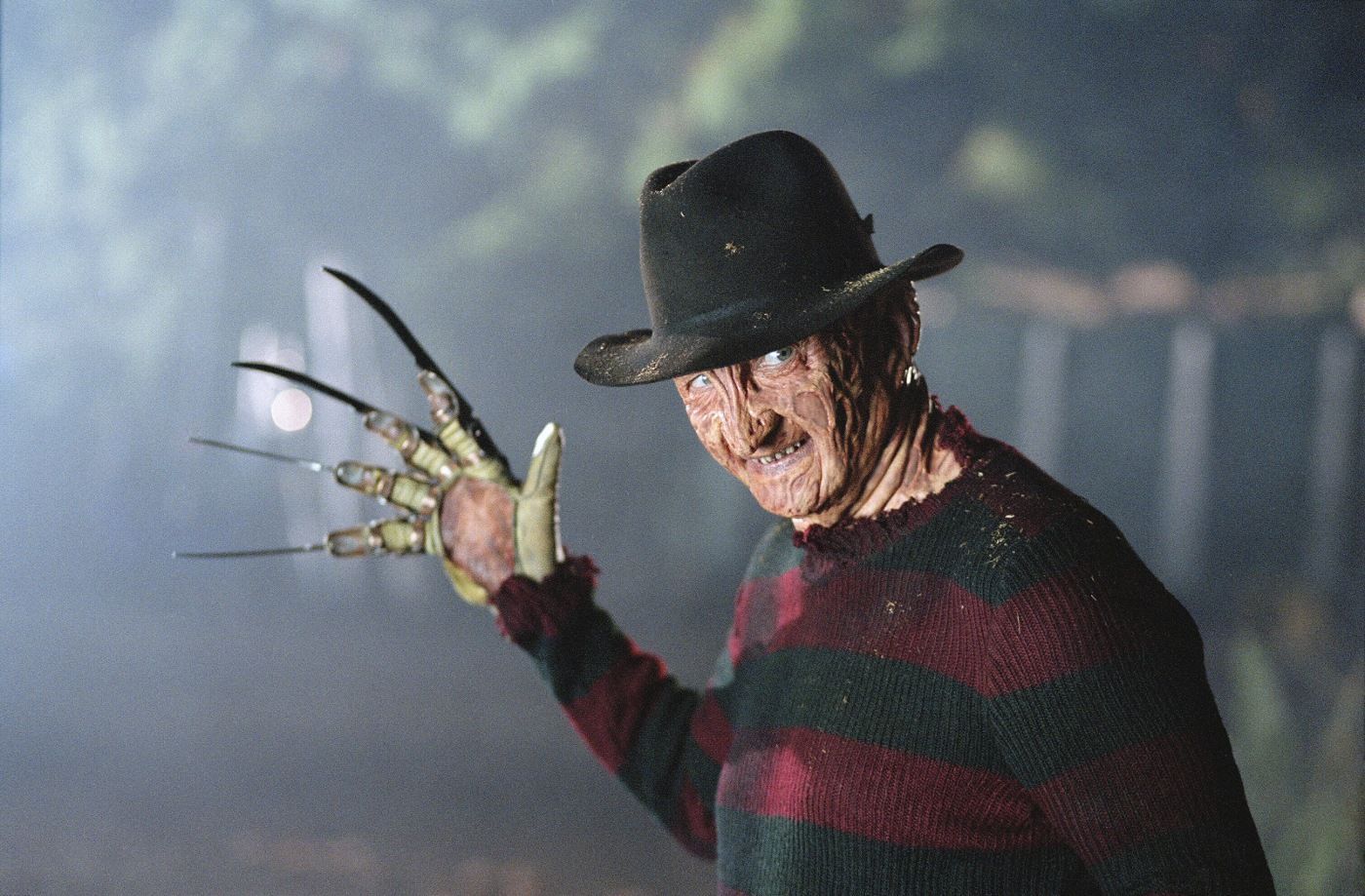
By the 1980s, horror shifted focus – scream queens took over, and only a few monsters became household names (Freddy Krueger, Jason Voorhees).
Today? The setting is often more terrifying than the monster itself – when done right, the world of the film becomes the true antagonist.
Alien Space: When the Setting Becomes the Villain
Some horror films create monsters – others create worlds that feel monstrous.
From German Expressionism to modern-day horror, the setting in horror films has evolved into something that’s just as important as the creature itself.
Classic horror relied on surreal, distorted spaces – see The Cabinet of Dr. Caligari (1920) and Nosferatu (1922).
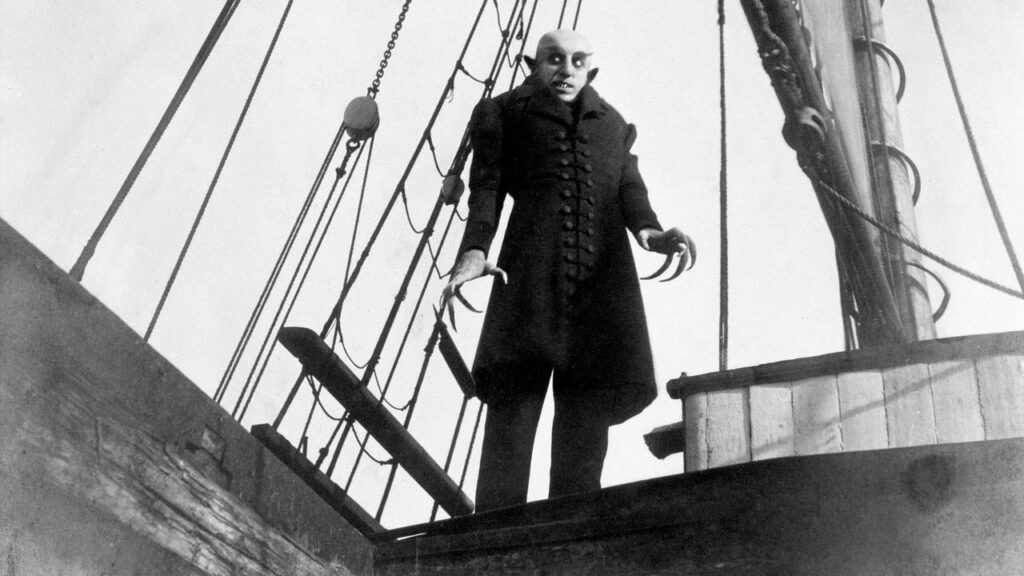
In early American horror, monsters shaped their environment, but in European horror, the setting itself birthed the monster (Vampyr (1932) is a prime example).
By the 1990s and 2000s, horror embraced nightmare logic – think the maze-like forests of The Blair Witch Project or the surreal dreamscapes of The Cell (2000).
Even today, some of the most terrifying horror films rely on setting more than creatures – films like Beyond the Black Rainbow (2010) and Under the Skin (2013) prove that sometimes, the world itself is the monster.
Paranoia: The Fear of the Unseen
Horror doesn’t always need a visible enemy – sometimes, the most terrifying thing is what we can’t see.
In the 1940s, producer Val Lewton reinvented horror by stripping it of monsters and gothic settings, instead relying on paranoia, shadows, and eerie sound design (Cat People (1942), The Leopard Man (1943)).
By the 1950s, paranoia shifted to science fiction, with alien invasion films (Invasion of the Body Snatchers (1956)) reflecting Cold War anxieties.
And then came Roman Polanski’s psychological horror era:
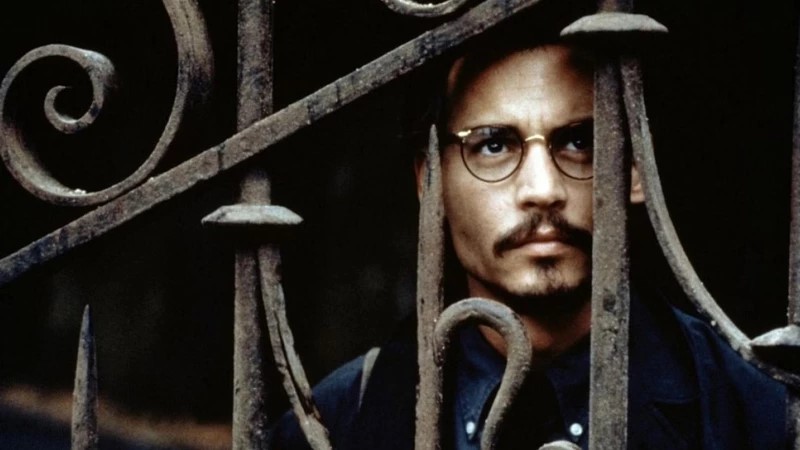
Rosemary’s Baby (1968) – A woman’s descent into paranoia, gaslighting, and satanic conspiracies.
The Tenant (1976) – A man slowly loses his identity in a hostile apartment complex.
The Ninth Gate (1999) – Occult secrets unravel in a world of deception.
In modern horror, paranoia manifests in new ways:
The Witch (2015) – Historical horror blended with psychological tension.
Cam (2018) – An online nightmare about digital identity theft.
Paranoia-based horror thrives because it plays with real fears – the fear that we don’t truly know what’s happening around us.
The Showstopper: The Moment That Haunts You Forever
Every horror film has that one scene – the one that burns itself into your brain forever.
The “showstopper” (or set piece) is a sequence designed to shock, disturb, or mesmerize.
Alfred Hitchcock perfected the showstopper – every major scene in Psycho (1960) feels like a mini-film within the film.
Mario Bava turned murders into operatic horror ballets – Blood and Black Lace (1964) turned gore into high art.
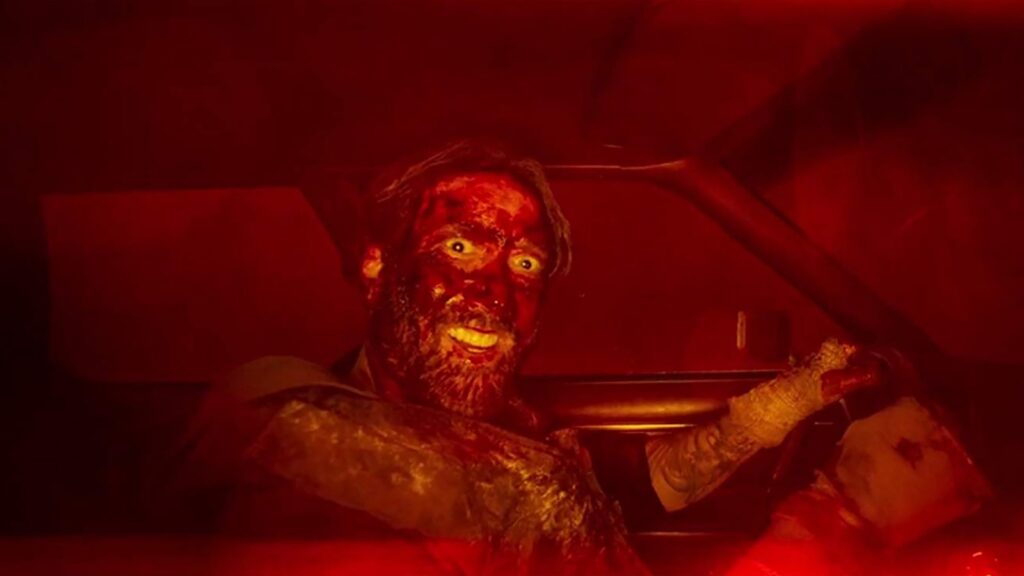
Italian giallo and American slashers took it further – films like Halloween (1978) and Friday the 13th built their entire structure around elaborate kill sequences.
Recent horror keeps pushing the limits – just watch Mandy (2018) and its insane chainsaw duel finale.
The best horror films don’t just shock – they create unforgettable cinematic moments that stay with you long after the credits roll.
Torture of the Gaze: When Horror Forces You to Watch
Some horror films don’t let you look away – even when you want to.
British film scholar Leon Hunt coined the term “torture of the gaze”, describing how horror films trap the audience in the most disturbing moments.
Peeping Tom (1960) was one of the first films to literally make the camera a murder weapon, forcing audiences into the killer’s POV.
Italian horror filmmakers loved to push limits – films like Black Sunday (1960) and Deep Red (1975) perfected the close-up kill.
Body horror took the idea to the next level – Cronenberg’s The Fly (1986) and Videodrome (1983) force viewers to watch human bodies mutate in grotesque detail.
Modern horror hasn’t backed down – torture porn (Saw, Hostel) and extreme horror (Martyrs, Inside) take visceral terror to an almost unbearable level.
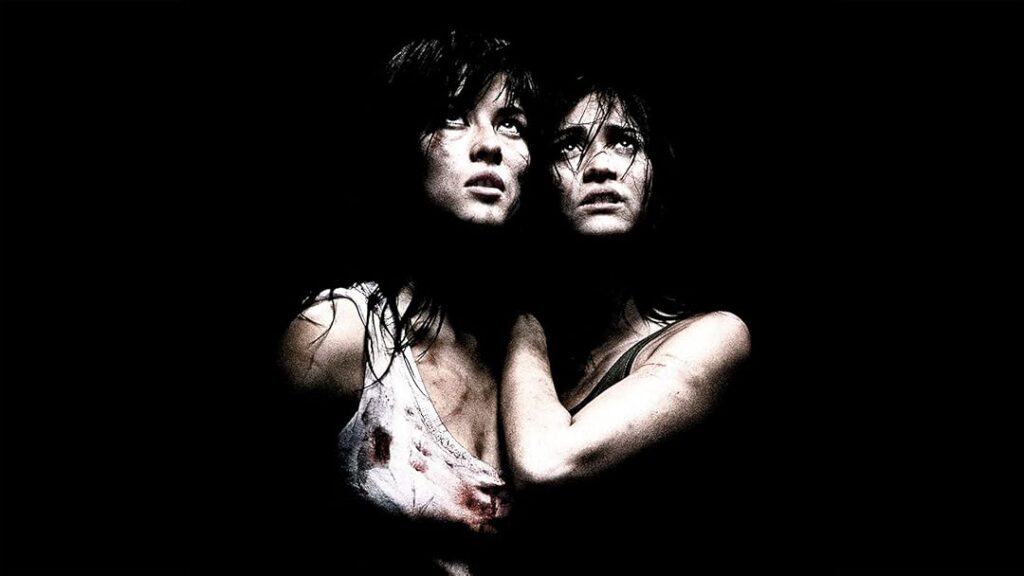
These films don’t just scare – they challenge you to keep watching.
Final Thoughts: Why Horror Never Stops Evolving
Horror is constantly evolving, experimenting with new ways to terrify, unsettle, and disturb.
The monster isn’t always the star – it’s the world itself that becomes terrifying.
Paranoia-based horror proves that the unseen is sometimes more terrifying than the visible.
Showstoppers and extreme horror force audiences to confront their limits.
Some call horror cheap thrills – but in reality, it’s one of the most inventive, rule-breaking, and emotionally powerful genres in cinema.
What’s the scariest horror technique that works on YOU? Let’s discuss in the comments!
