


Zombie movies were a strange curiosity after their introduction in the 1930s, and have, over time, become a global mirror that filmmakers use to reflect modern anxieties.
Their journey runs from the voodoo-inspired corpse of White Zombie to the high-concept superhero nightmare of Marvel Zombies. This path shows not only how makeup and special effects have changed but also how the fears of audiences have shifted and how the monsters themselves have been reimagined.
The Origins, Folklore, and the Birth of the Undead (1930s–1960s)
In the early 1900s, zombies were not displayed as monsters that devoured human flesh, but as people robbed of will. White Zombie (1932), often considered the first full-length zombie film, tells the story of a plantation owner who uses voodoo magic to enslave others.
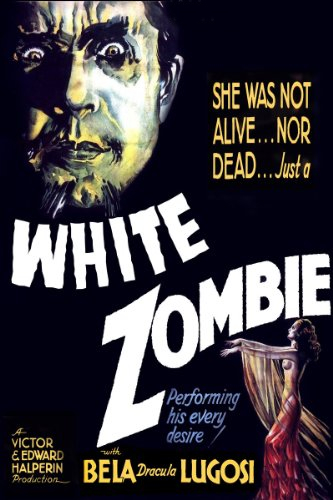
The real threat here is not bloodthirsty creatures but the loss of personal agency, which served as a metaphor for colonial fears and possession.
This mystical understanding stayed with the genre until 1968, when George Romero completely reshaped it with the film ‘Night of the Living Dead.’ Romero presented zombies as reanimated corpses that fed on human flesh, removing the mystical roots and turning them into a reflection of human failings.
Unlike the remakes of the 21st century, this movie deliberately left the origins of the creatures unclear. Its tensed farmhouse setting and focus on conflict among survivors showed that Romero was more interested in the collapse of society than in the monsters themselves.
By the time Dawn of the Dead (1978) came to the scene, Romero had sharpened his vision. This time, the setting was a shopping mall where the undead wandered like mindless consumers. Blending gore with biting social commentary, he linked zombies to the herd behavior of consumerism.
The Golden Age of Zombies: Satire and Excess (1980s)
The 1980s built on Romero’s work and opened the Zombie genre to experimentation and satire. The Return of the Living Dead (1985) reshaped it by introducing creatures that specifically craved human brains and could not be stopped with a simple headshot.
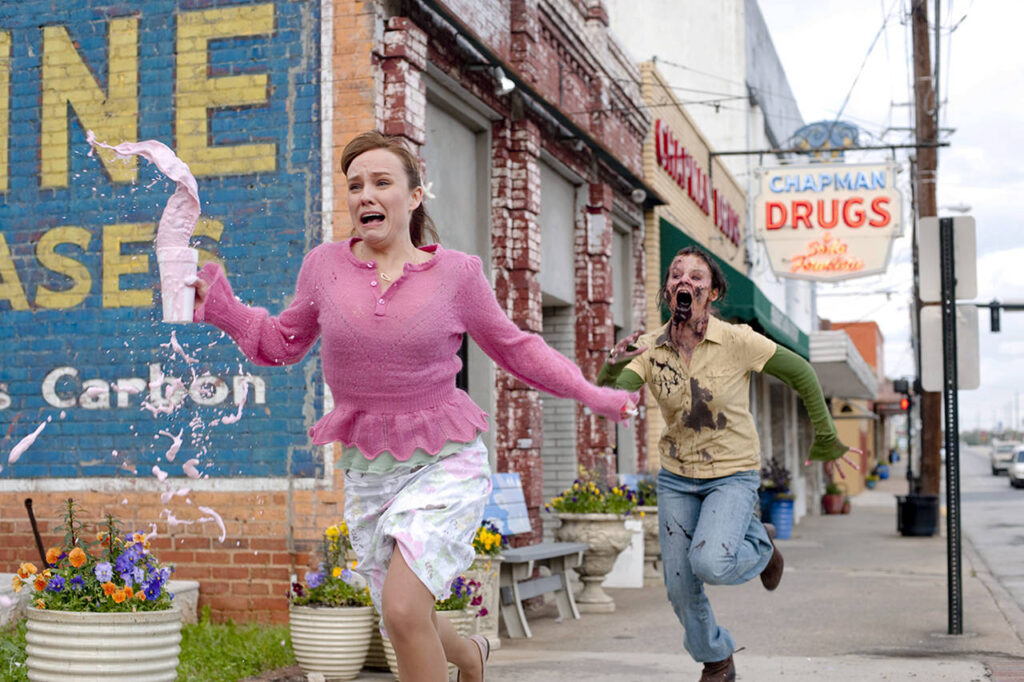
Its punk rock style, slapstick gore, and playful humor blurred the line between comedy and horror. Return of The Living Dead also placed the craving for brains at the heart of popular culture’s image of zombies.
The 80s showed that zombies could be funny, self-aware, and frightening at the same time. It stretched the boundaries of tone and prepared the way for later films that would mix horror with parody and other genres.
The Renaissance: Reinvention and Experimentation with Fear, Infection, and Speed (2000s)
28 Days Later (2002), directed by Danny Boyle, imagined zombies not as the dead returning to life but as people infected by a ‘rage virus,’ breaking the stereotype of the 20th century. These fast-moving creatures captured the fears of bioterrorism and global pandemics in a post-9/11 world.
That same year, Resident Evil (2002) brought together action, science fiction, and horror. Adapted from the video game series, it introduced the Umbrella Corporation, whose scientific greed unleashed the undead. This blend of corporate conspiracy and mutated monsters helped establish zombies as blockbuster material and inspired many sequels.
The mid-2000s also invited humor into the mix. Shaun of the Dead (2004) combined British romantic comedy with the apocalypse, lovingly parodying Romero while still delivering tension and scares. It showed that zombies could serve as a backdrop for stories about friendship and love as much as for horror. Meanwhile, Romero himself returned with Land of the Dead (2005), which displayed an advancement in zombie intelligence, suggesting that they were evolving.
The Mainstream Boom: Globalization and Hybridization (2010s)
The groundwork of earlier movies prepared the 2010s for an explosion of zombie horror. The Walking Dead (2010–2022) became one of the most influential TV series of the decade. Across eleven seasons, it focused less on the undead themselves and more on the struggles of survivors, the building of communities, and the moral challenges of living in a ruined world.
On film, World War Z (2013) expanded the genre to a blockbuster scale. Following a UN investigator racing to find a cure, it introduced massive swarms of zombies that moved like unstoppable waves, and later on… with coordination.
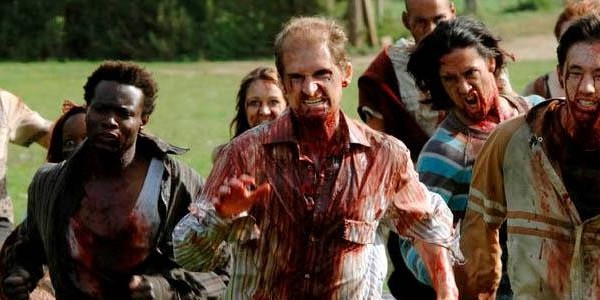
The Zombie cinema rose to global attention during this period, with South Korea’s Train to Busan (2016), which merged action with emotional storytelling, focusing on themes of family and sacrifice. The movie also has an animated prequel, Seoul Station (2016), which highlights social neglect by showing how the homeless were the first victims of the outbreak.
Later, Kingdom (2019–2021) pushed the genre into historical drama by setting a plague in Korea’s Joseon dynasty. These examples revealed how cultural perspectives could refresh familiar tropes and make them new again.
Experimentation and Modern Diversity (Late 2010s–2020s)
As the decade drew to a close, filmmakers began blending zombies with other genres in increasingly daring ways. Overlord (2018) combined the brutality of World War II with Nazi experiments that created zombie-like soldiers, while Army of the Dead (2021), directed by Zack Snyder, blended a heist movie with a zombie outbreak in Las Vegas and introduced intelligent “alpha” undead that altered the behavior of hordes.
Streaming platforms brought new opportunities as well, with Netflix’s All of Us Are Dead (2022) centered on high school students trapped during an outbreak.
The future of the genre points even further. Marvel Studios is set to release Marvel Zombies (2025), an animated series where famous superheroes are infected. This marks its full entry into pop culture’s most mainstream space.
Final Thoughts
Zombies are unique not just because of their long history or the number of films produced, but because of their ability to reflect human society and experience. Beyond picking brains or tearing flesh apart, Zombie horror mirrors the mindless world we often find ourselves in.
While these movies may seem repetitive or cliché with similar storylines or actions, they’ve become a big part of the horror genre and won’t be leaving anytime soon.
What’s next for zombie evolution? Who knows. We may soon have movies with zombies that can fly or use weapons to fight back. We’ll just have to wait and see!
