


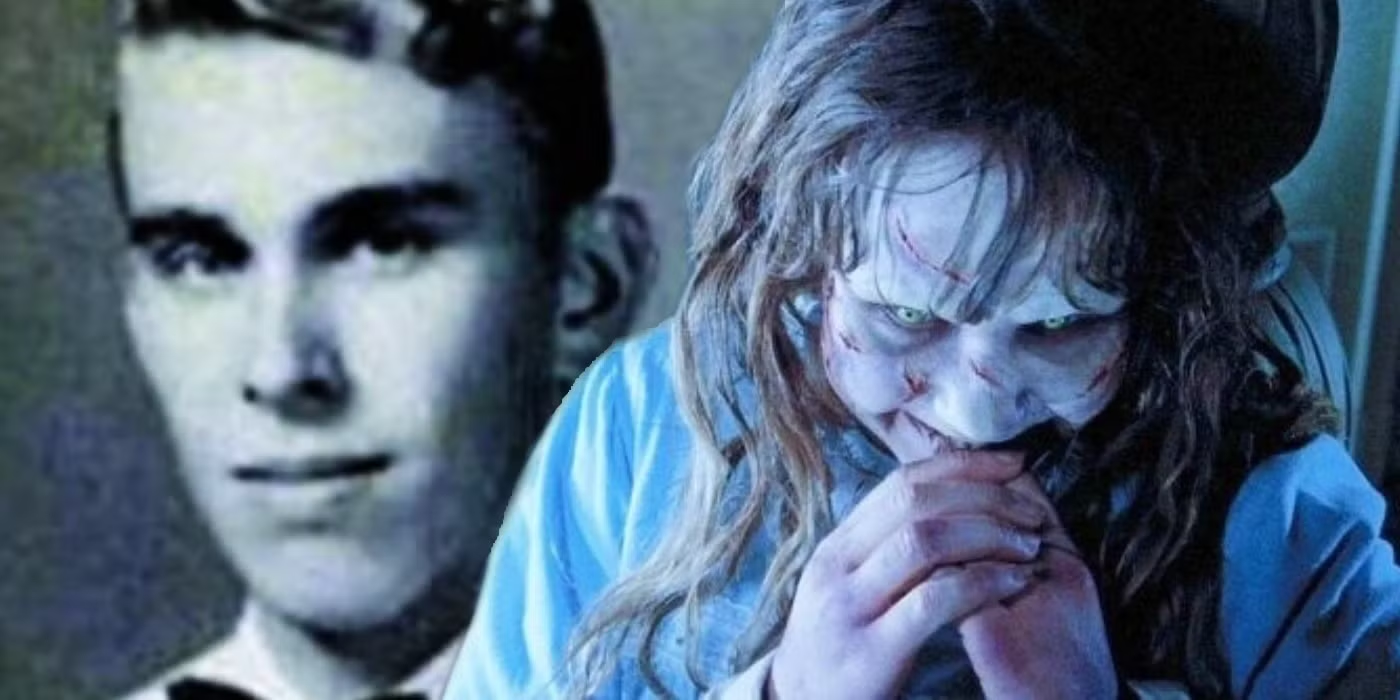
There is a specific kind of chill that sets in when the opening credits fade, and four simple words appear on the screen: Based On True Events. When the curtain falls and the credits roll, have you ever wondered if those scenes were inspired by someone’s random Tuesday morning?
To find out, we have to look at the movies that turned real-life police reports and medical journals into our worst nightmares. Let’s start with a house that still makes people look twice at their own shadows: The Conjuring.
The Conjuring
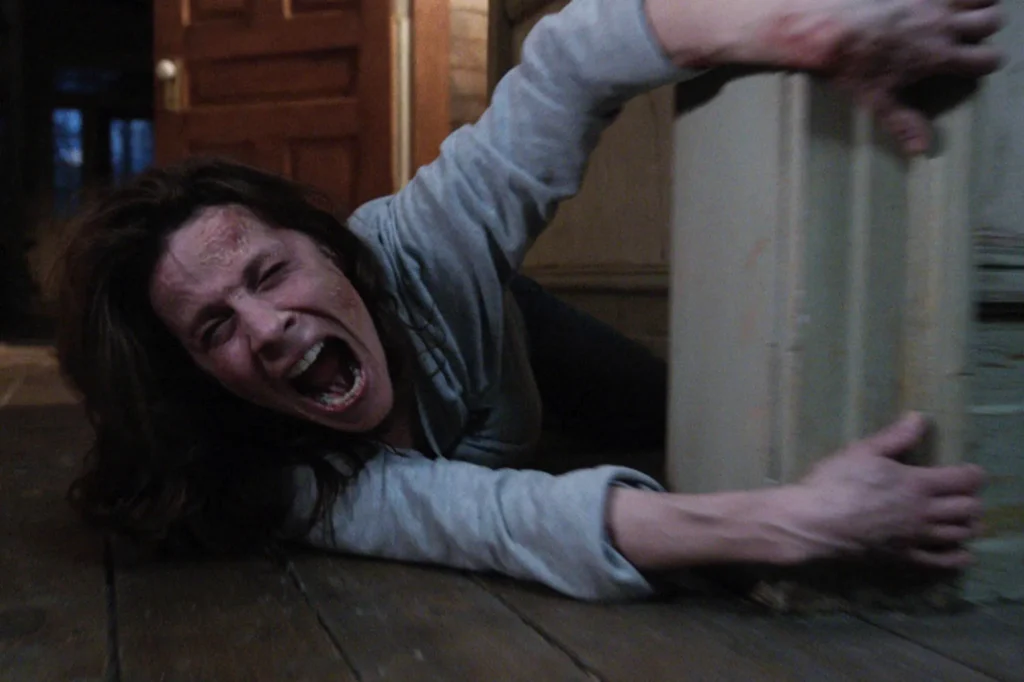
In the movie, a family is terrorized by a demonic witch called Bathsheba, who wants to kill the mother and the children. Famous investigators, Ed and Lorraine Warren, arrive to perform an exorcism to save the family. In the film’s dramatic climax, the family is saved by this ritual that drives the demon away forever.
However, in real life, the Perron family lived in that lonely, creaky farmhouse for ten years, from 1971 to 1981. The house was full of long, drafty hallways and floorboards that groaned under the slightest weight.
Bathsheba Sherman was a real person who lived in the 1800s. While local legends accused her of being a witch, historical records show she was a normal human who died of natural causes in her old age. There is no evidence that she ever cursed the land.
Another shocking discrepancy is the exorcism itself. Ed Warren was not a priest and was not allowed to perform an exorcism. Instead, they held a seance, an attempt to contact spirits.
According to the family, the seance went horribly wrong, causing the mother to have a “frightening fit,” which led the father to kick the Warrens out of the house eventually. Moving away from haunted houses, we find ourselves looking at a much more human kind of monster.
The Texas Chain Saw Massacre
In this story, a group of friends is hunted in Texas by a giant man named “Leatherface.” He wears a mask made of skin and uses a chainsaw to attack anyone who wanders onto his property. The movie claims this was a real massacre that happened in the 1970s.
In reality, there was no ”chainsaw massacre.” The story was actually inspired by a man from the quiet, snowy fields of Plainfield, Wisconsin, named Ed Gein. The landscape was a place where neighbors lived miles apart, and secrets were easily buried under the winter frost.
Gein was not a chainsaw-wielding giant. While he was a murderer, he was mostly known for stealing bodies from graveyards to “decorate” his home, but he never used a chainsaw; Hollywood added that to make the movie louder and more terrifying for a modern audience.
It reminds us that when a movie claims to be a “true story,” it might only be borrowing one small, dark detail from reality.
The Exorcist
The Exorcist tells the story of Regan, a 12-year-old girl possessed by a demon. Her mother seeks help from two priests who perform a violent exorcism in an upstairs bedroom, featuring famous scenes like her head spinning 360 degrees and her floating above the bed.
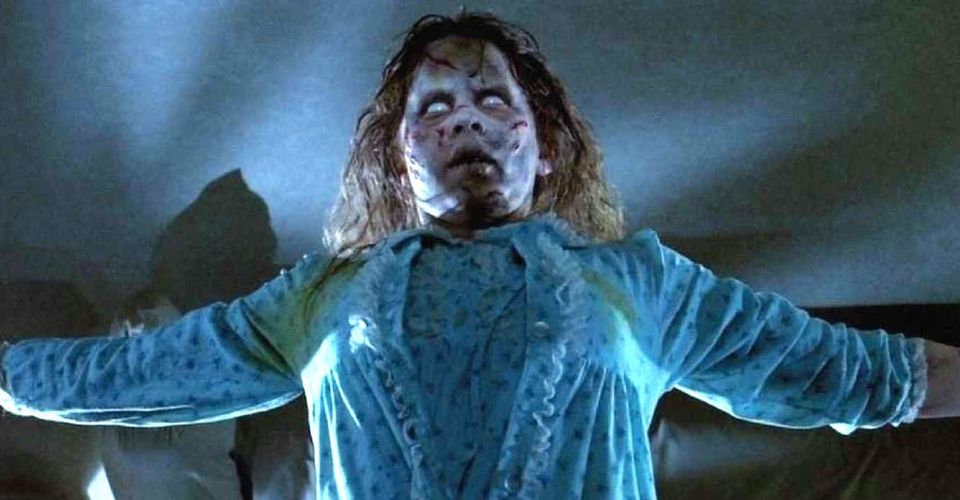
While the real events took place in 1949, the possessed “person” was actually a 14-year-old boy known as “Roland Doe.” There was no floating or spinning head. The struggle didn’t happen in a scary mansion; it mostly took place in a regular hospital.
In the dim light of these medical wards, priests and doctors sat together in the shadows, watching a boy who suffered from strange scratches and sudden outbursts of anger. Doctors at the time believed the boy was likely suffering from a mental health crisis, but the church recorded it as a spiritual possession.
Hollywood changed the boy to a girl and added impossible effects to turn a quiet, clinical mystery into a terrifying spectacle.
Psycho
This is the story of a woman who stops at the remote Bates Motel and meets Norman Bates, a shy young man under the thumb of his controlling mother. The reveal is that Norman’s mother has been dead for years, and Norman has been dressing in her clothes to commit crimes.
In reality, this was also inspired by Ed Gein; however, the real inspiration didn’t live in a motel, but in a cluttered, decaying farmhouse.
The house was a grim time capsule, filled with the heavy stale air of a home that hadn’t seen a guest in years. It was in this quiet, cramped space that Gein lived alone with his delusions, surrounded by the belongings of a mother who had long since passed away.
A Nightmare on Elm Street
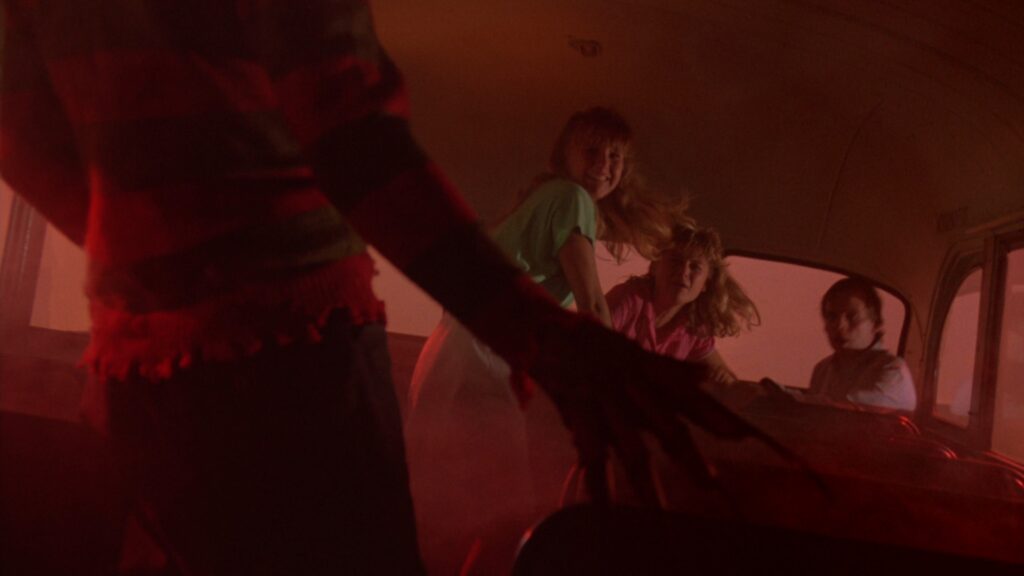
Sometimes the most terrifying mysteries are found in the one place we can never truly escape: our dreams. In this film, Freddy Krueger attacks victims in their dreams; if he kills you there, you die in the real world.
The origin of Freddy Krueger is actually found in the 1980s medical journals. The real story involved healthy men who were so terrified of sleep that they drank pots of black coffee to stay awake. When they finally drifted off, it was in the silence of their own bedrooms. Doctors were baffled by these sudden deaths, which had no physical cause and seemed to target victims only in their sleep.
Conclusion
From the creaky floorboards of a Rhode Island farmhouse to the silent, frozen fields of Wisconsin, Hollywood has a unique talent for taking a small seed of truth and watering it with enough drama to grow a nightmare.
Accuracy isn’t the reason we watch these films. We watch them because the “True Story” label makes the shadows in our own homes feel much scarier. Even when a movie is mostly made up, that tiny bit of truth is enough to linger in our minds long after the screen goes dark.
