

Once upon a time, horror was simple – a group of teens in the woods, a masked killer, maybe a satanic cult lurking in the shadows. But today’s horror has evolved into something slower, deeper, and way more existentially unsettling.
Now, it’s about melancholy, mommy issues, and a creeping sense of doom – and let’s be honest, you know you’re watching modern horror when you feel like you need therapy afterward.
So what defines the new wave of horror? Let’s break down the trends, tropes, and A24’s undeniable chokehold on the genre.
Reinventing the Genre: Fresh Horror Highlights
The last few years have been stacked with genre-bending horror films that push boundaries:
Talk to Me (2023) – A fresh take on possession horror, turning it into a metaphor for teen drug addiction.
No One Will Save You (2023) – A silent alien invasion thriller with barely any dialogue.
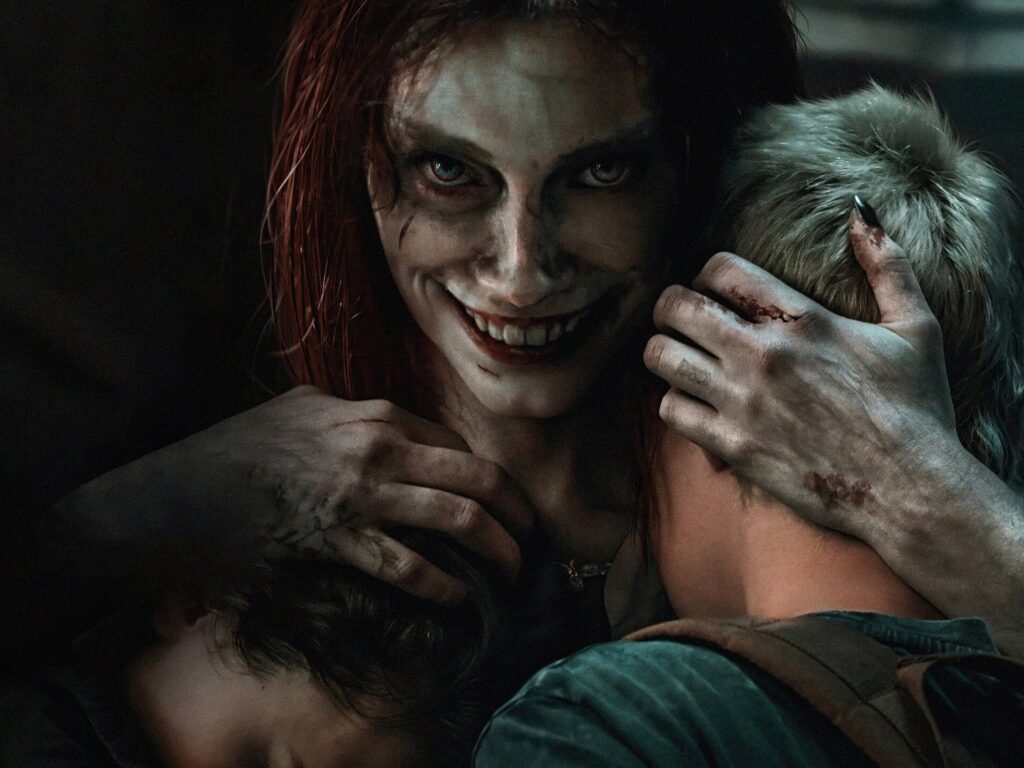
Evil Dead Rise (2023) – A blood-drenched reboot of Sam Raimi’s cult classic.
Skinamarink (2022) – An experimental, nostalgia-fueled nightmare that feels like a childhood fever dream.
Beau Is Afraid (2023) – A three-hour Freudian meltdown disguised as a horror movie.
And let’s not forget modern game-changers like Hereditary, The VVitch, Get Out, The Babadook, Titane, and Mandy – films that prove horror is no longer just about scares – it’s about existential dread.
But what do these films all have in common? Let’s dig into the DNA of modern horror.
1. Trauma: The Root of All Evil
Horror has always been about trauma, but today’s horror movies take it to a new level of psychological devastation.
Hereditary (2018) – A multi-generational horror about grief, family curses, and the worst family reunion imaginable.
Beau Is Afraid (2023) – A man’s entire existence is dictated by his mother’s suffocating control – and it’s somehow both terrifying and hilarious.
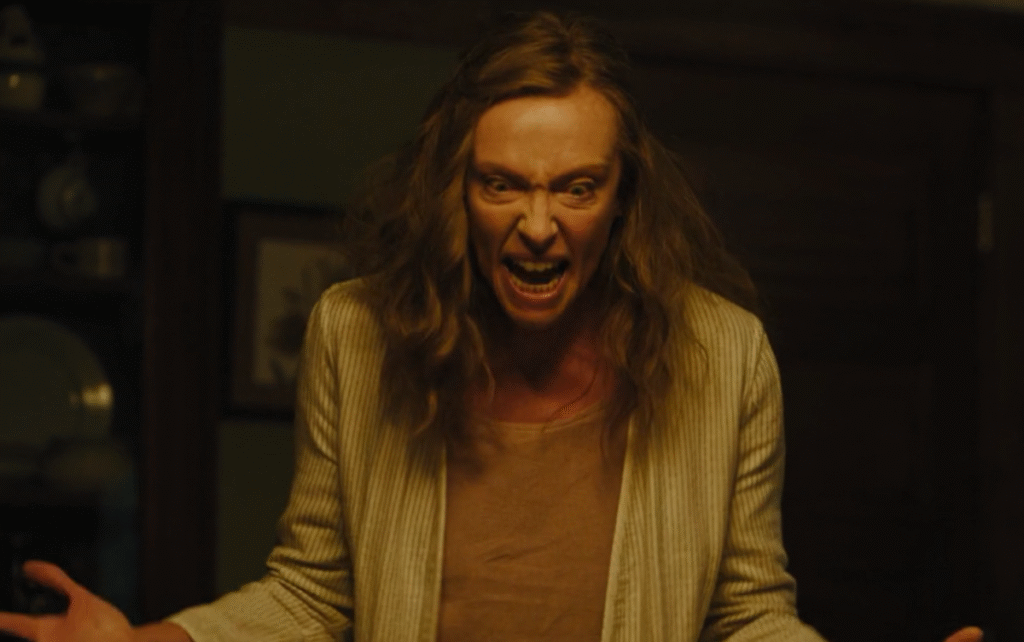
With therapy culture on the rise, horror is leaning hard into childhood trauma, toxic families, and deeply repressed fears.
2. The Villain? White Men.
Once upon a time, horror villains were monsters, ghosts, and demons. Now? It’s regular white dudes being unsettling as hell.
Watcher (2022) – A man just stares at a woman across the street, and it’s somehow terrifying.
Men (2022) – A psychological horror where all men literally have the same face (subtle, right?).
Lucky (2020) – A woman is attacked by the same man every night, but no one believes her.
Today’s horror leans into real-world fears – the horror of being ignored, dismissed, or stalked in plain sight. And sometimes, that’s scarier than any supernatural entity.
3. A Love Affair with the Past
When in doubt, horror turns to nostalgia – whether it’s reinventing old subgenres or making everything look like it was shot on a VHS tape from 1983.
The House of the Devil (2009) – A perfect recreation of ‘80s horror, down to the grainy film stock.
Enys Men (2022) – Shot on a 1930s camera for that eerie, old-school look.
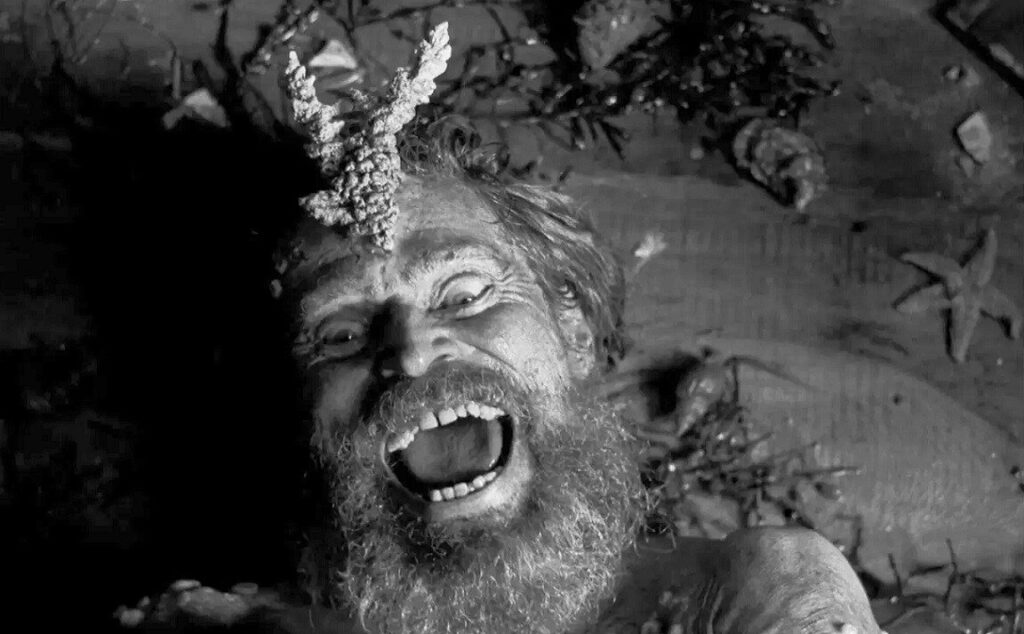
The Lighthouse (2019) – A black-and-white nightmare that feels like it crawled out of a Lovecraftian fever dream.
Directors like Robert Eggers, Ti West, and Peter Strickland are obsessed with vintage aesthetics, proving that sometimes the past is scarier than the future.
4. Social Media & Digital Horror
Technology has changed the horror genre – and now, horror is embracing blogs, livestreams, and viral fame.
Spree (2020) – A rideshare driver livestreams his murders for clout.
We’re All Going to the World’s Fair (2021) – A found-footage-style horror about a teenager documenting her eerie transformation.
Host (2020) – A Zoom-based horror movie, because even ghosts had to work remotely in 2020.
If classic horror taught us not to go into the woods, modern horror is teaching us not to go online.
5. Slow-Burn Horror: Fear in the Details
Today’s horror loves taking its time. It’s not about constant jump scares – it’s about building tension so slowly you don’t realize you’re suffocating until it’s too late.
Speak No Evil (2022) – A movie so painfully slow and awkward, the final act hits like a sledgehammer.
Saint Maud (2019) – A quiet psychological horror about religion, obsession, and madness.
The Night House (2020) – A grief-stricken woman faces a supernatural presence – but the terror is more about the isolation.
When modern horror finally explodes, it’s twice as effective – because the dread has been simmering for way too long.
6. Is It a Horror Movie… Or a Dark Comedy?
Some horror movies refuse to pick a lane, balancing between genuine terror and absurdity.
Creep (2014) – A movie that makes you laugh one second and feel deeply uncomfortable the next.
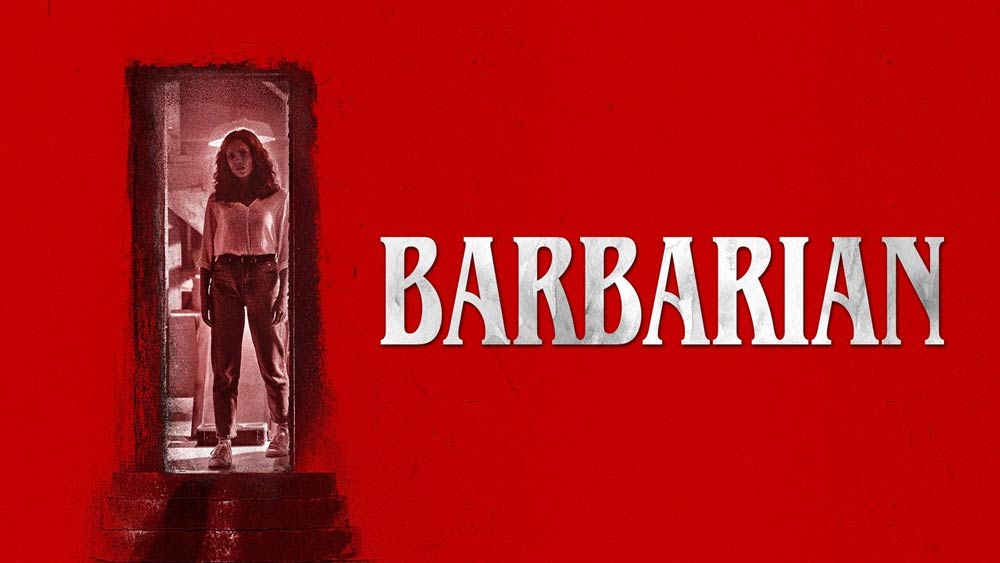
Barbarian (2022) – Starts as a thriller, turns into a nightmare, and somehow remains hilarious.
If you’re not sure whether to laugh or scream, you’re watching modern horror at its finest.
7. The A24 Horror Aesthetic
Love it or hate it, A24 has shaped modern horror – and you know an A24 horror movie when you see one.
Slow-burn tension
Atmospheric cinematography
Characters who look emotionally drained 24/7
The sense that something horrifying is about to happen… but doesn’t… until it really, really does.
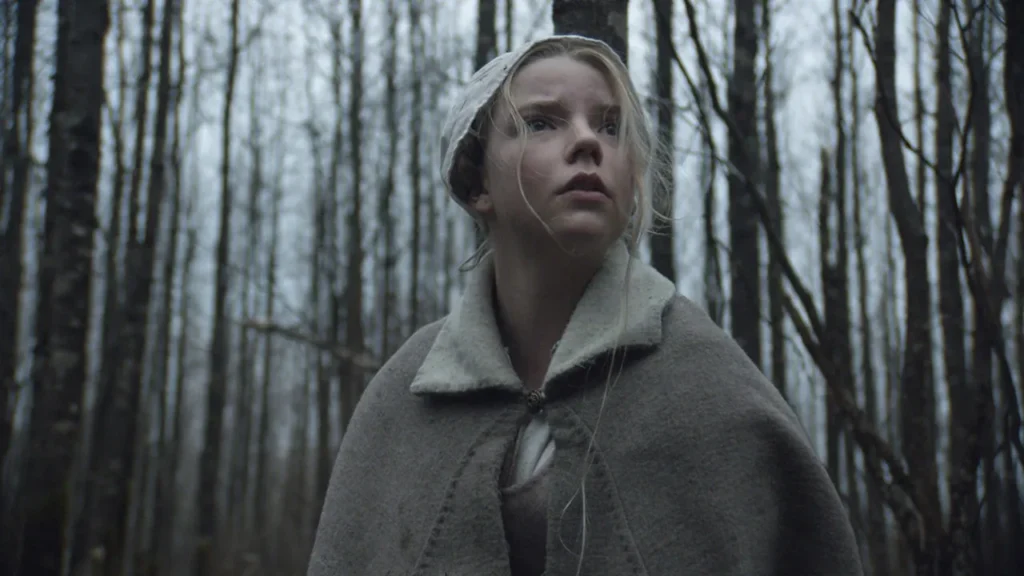
Films like The Witch, The Lighthouse, X, and Hereditary have redefined horror, but they’ve also inspired an entire wave of slower, moodier, “elevated” horror.
Of course, this style has become so predictable that even horror fans joke about it – cue the memes about “slow burn, bone-chilling cinema”.
Final Thoughts: The Future of Horror
Horror is constantly evolving, and today’s films are blending genres, diving into deeper themes, and redefining what it means to be scared.
From social media horror to existential nightmares, the new wave of horror isn’t just about making you scream – it’s about making you think, feel, and question everything.
So, what’s your favorite modern horror trend? Are you team A24 slow burn or do you prefer fast, chaotic carnage? Let’s discuss in the comments!
