


Some character mistakes in horror movies aren’t just costly, they’re fatal. And if any franchise proves that one tiny decision can snowball into absolute carnage, it’s Wrong Turn.
Across seven movies, characters walk straight into danger, ignore the loudest red flags imaginable, or make choices so questionable that even the cannibals look more organized.
But for every disastrous path our doomed heroes and cannibals take, there’s always a version of the story where one smarter move flips the script. So let’s take a ride through the entire franchise and break down just how close these characters were to surviving, if only they’d used a little common sense.
Wrong Turn (2003): The Original Sin of Splitting Up
Let’s begin from scratch, the crash, the abandoned car, and the decision that might be the franchise’s biggest “why would you ever do that moment.”
After the tires are shredded and the shortcut road becomes suspiciously quiet, the stranded group wanders into dense woods instead of following the same road back to the highway.
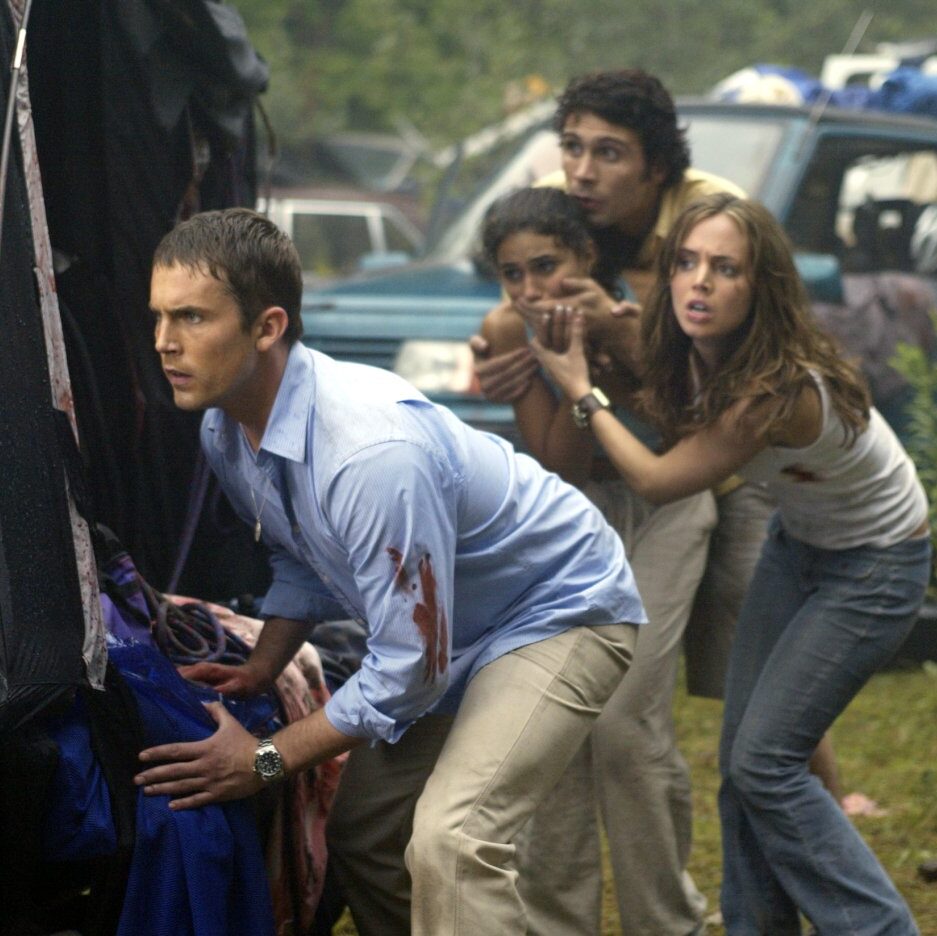
The ending gives us only two rattled survivors, and honestly, it didn’t have to be that way. Staying with the cars would’ve given them shelter and a defensive perimeter.
Those vehicles could’ve doubled as metal shields, forcing the cannibals into a fair fight instead of a sneaky hunt. walking back toward civilization, where police and passing cars exist and beats wandering into the great unknown.
One calm moment of unity, and suddenly the woods become a death trap; they’re just scenery on the way home.
Wrong Turn 2: Dead End (2007): The Reality Show That Went Too Far
Now we jump into the sequel, where a reality show crew proves that producers may be scarier than cannibals.
The chaos begins when Kimberly goes missing; instead of treating it like a genuine emergency, the crew basically shrugs and films around the problem. Not one person thought to inform the police.
Meanwhile, the cannibal family isn’t exactly flawless either. Sister and Pa capture Jake and Nina in the RV, but instead of finishing the job with villainous efficiency, they go full bonkers and decide to gloat. That extra time gives Dale the chance to crash their evil party.
One responsible phone call from the crew, or one properly timed axe swing from the cannibals, and this whole movie turns into a very short public safety announcement.
Wrong Turn 3: Left for Dead (2009): When the Smallest Missteps Matter
Moving into the third entry, we’ve got prisoners, cops, and, because this is Wrong Turn, a cannibal who may genuinely be the most unkillable man in horror.
The film wraps with a handful of survivors, but everything could’ve changed thanks to two huge mistakes.
Alex, in a rare moment where a girl has the upper hand, literally has Three-Finger down and is vulnerable. All she had to do was stab him. One decisive move? But no hesitation.
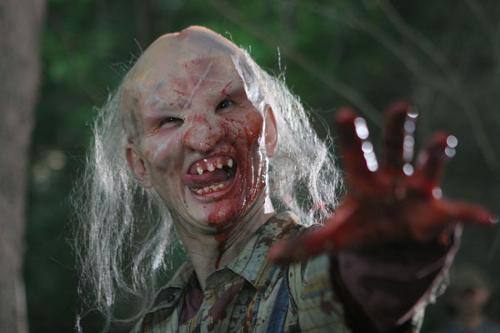
Meanwhile, Three-Finger makes the opposite mistake: instead of killing her immediately, he drags her home like a trophy. That delay gave Alex time to escape, regroup, and eventually come back swinging.
Remove either of those errors, and the entire movie collapses into a shorter and less chaotic showdown.
Wrong Turn 4: Bloody Beginnings (2011): Snow, Blood, and One Fatal Vote
Jumping back in time, the prequel is somehow more chaotic, if that’s possible. After a night of frozen terror, the group does the impossible: they trap the cannibal trio in a locked cell. Victory is right in front of them.
Then comes that moment, Kenia steps in and insists that killing the trapped cannibals would make them “just as bad.” The group listens.
And that single burst of misplaced good intentions unleashes the killers all over again. Instead of ending the threat in seconds, they spark the entire bloody snowstorm of chaos that follows, including one of the wildest snowmobile deaths ever filmed.
Wrong Turn 5: Bloodlines (2012): The Double Failure of Trust and Urgency
Moving on, the fifth film shows what happens when teenagers ignore order, and the outside world ignores emergencies.
Sheriff Carter arrests Maynard and lays out the world’s simplest instructions: stay inside, don’t move, don’t go out looking.
Naturally, the teens lasted about three seconds before wandering outside, practically inviting disaster and giving Maynard the chance to escape. But they aren’t the only ones asleep at the wheel.
The shortwave radio operator hears Carter begging for help and basically responds with the emotional range of a dial tone.
Obedient teens or a competent radio operator, just one of those things, would’ve shut down the siege instantly. But when both sides fail at the same time, well, that’s how you get a Wrong Turn movie.
Wrong Turn 6: Last Resort (2014): The Cult Nobody Saw Coming
Next up, we hit the cult-filled sixth installment, where Danny stumbles straight into his family’s secret legacy. The last scene reveals him embracing his roots after the cult systematically wipes out his friends.
But this spiral only happens because everyone ignores the loudest possible warning sign: Jillian’s severed head.
Finding a decapitated friend should trigger instant police involvement and a full lockdown. But instead of calling the authorities and barricading themselves, the group leisurely continues wandering, practically handing the cult every advantage.
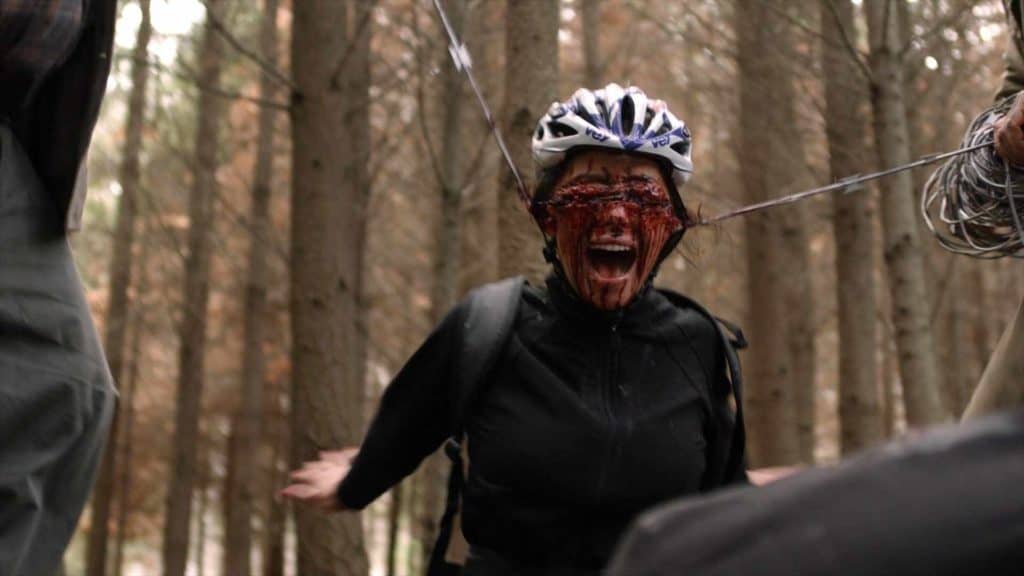
One phone call and one barricaded door could’ve turned the cannibals’ entire plan into a complete disaster. Instead, the group treats a head like it’s just another creepy surprise in the woods.
Wrong Turn (2021): The Weapon of Information
Finally, the reboot gives us a different kind of nightmare with “The Foundation,” a mountain cult that’s far more structured than anything the franchise has shown before.
After witnessing Adam’s execution, Jen plays smart by pretending to assimilate, but she overlooks her strongest leverage, exposure.
When her father, Scott, arrives, that should’ve been her moment. Instead of sneaking around, she could’ve publicly announced the truth, that she was being held against her will, and that outsiders were already searching for her. The Foundation survives on secrecy; losing it is their biggest fear.
Putting that spotlight on them could’ve forced Venable to release Jen and Scott immediately. In this version of events, the deadliest weapon isn’t a knife or trap; it is exposure.
