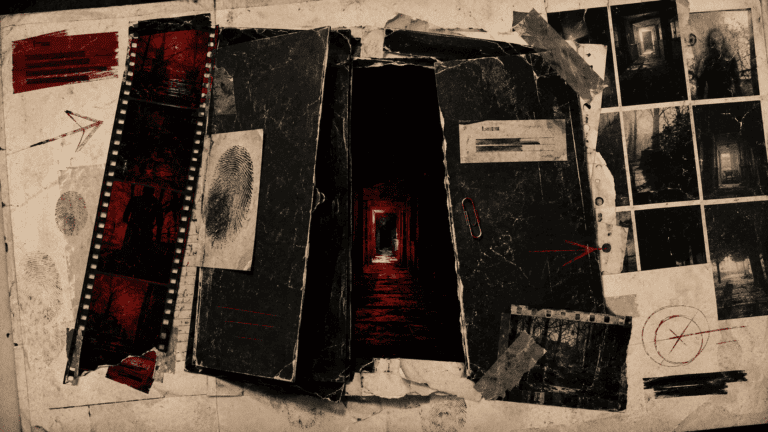
A24 has revealed Slayground, the new horror movie from Jeremy Saulnier. The director previously made Blue Ruin, Green Room, and Rebel Ridge. His latest film was once known as October. Now, A24 has started its mysterious marketing campaign with a disturbing new teaser.
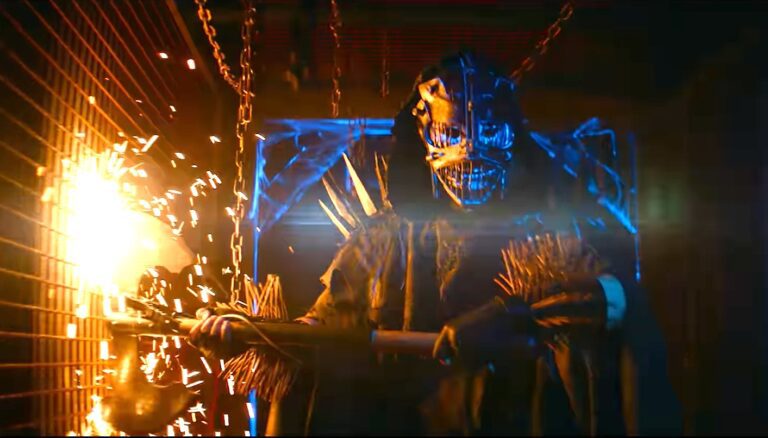
The footage gives us a first look at a terrifying haunted attraction. It also suggests that Saulnier is returning to the tense genre filmmaking that has defined much of his work.
A24 Reveals Slayground
The teaser, which initially played in theaters before screenings of Resident Evil, is now available online. Shot largely through security-camera footage, it shows terrified visitors encountering masked figures and increasingly disturbing sights inside the titular haunted attraction. The promo ends by directing viewers to A24’s Run Like Hell website, which features additional footage and a countdown to October 20.
Jeremy Saulnier Returns to Horror
Saulnier writes and directs the film for A24, marking another collaboration between the filmmaker and the studio after Green Room. That 2015 thriller famously trapped its characters inside a remote venue as violence steadily escalated, while Slayground appears to bring Saulnier’s tense, survival-focused approach into a Halloween attraction.
What Is Slayground About?
A24 has not released an official synopsis, but the film has been described as a Halloween-set fugitive thriller. Reports indicate that Cory Michael Smith plays a man who becomes the primary suspect in a mass-murder investigation before escaping police custody and attempting to prove his innocence while being pursued by a massive manhunt. The haunted attraction where his character works reportedly gives the movie its title.
The cast also includes Chase Sui Wonders, Sophie Wilde, Imogen Poots, Young Mazino, Stephen Root, James Badge Dale, and Matty Matheson.
A24 currently lists Slayground for this fall, but an exact theatrical release date has not been announced. With the October 20 countdown now running on the film’s promotional website, more information could arrive soon.
Not sure what to watch tonight? Let LikeHorror suggest a few scary picks and discover something that matches your mood. Get a Horror Pick →
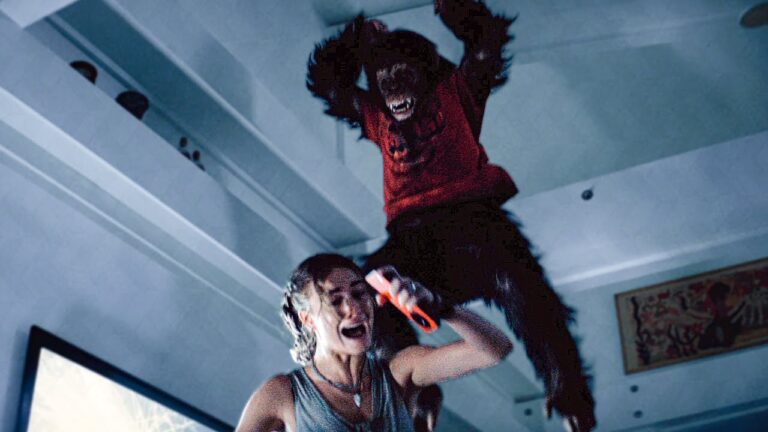
There is something inherently frightening about putting an intelligent animal in a horror movie. Johannes Roberts’ Primate takes that fear and builds it around a chimpanzee whose intelligence makes its transformation into a threat far more complicated than a typical creature feature.
The film follows Lucy, a college student who returns to her family’s secluded Hawaiian home with a group of friends. There, she reunites with her deaf father Adam, her younger sister Erin, and Ben, an intelligent chimpanzee adopted by the family and taught to communicate through a sound keypad by Lucy’s late anthropologist mother.
Ben initially feels less like a horror-movie threat and more like another member of the family. That changes after a rabid mongoose bites him while he is in his enclosure. With Adam away on a book tour and the rest of the family unaware of how quickly Ben’s condition is deteriorating, the situation begins to spiral.
Once Ben escapes, the family’s beautiful cliffside home becomes a trap. His intelligence makes him particularly dangerous because he understands the house, recognizes the people inside it, and can interact with his surroundings in ways a typical animal could not. What begins as concern for a sick family pet gradually becomes a fight to survive.
The most interesting aspect of Primate is that Ben is not presented as a simple monster. The film spends enough time establishing his relationship with the family to make his transformation genuinely sad. His attempts to communicate become increasingly difficult as the illness takes hold, creating a tragedy underneath the more conventional animal-attack horror.
What Works ✅
Ben’s Tragic Transformation: The physical performance behind Ben gives the character a surprising amount of personality. Early scenes establish him as intelligent, affectionate, and deeply connected to the family, which makes his gradual deterioration more upsetting.
That emotional foundation gives the film something many creature features lack. Ben is not simply an animal that needs to be stopped. He is a familiar presence who has become dangerous through circumstances beyond his control.
The Infinity Pool Sequence: The film makes excellent use of its central location, particularly the large infinity pool. The setting creates a simple but effective problem: the characters have limited places to go, while Ben controls the surrounding space.
The sequence works because it turns an otherwise luxurious location into a place of isolation. The characters are exposed, the escape routes are limited, and Ben’s intelligence makes every attempt to reach safety more difficult.
The Practical Creature Work: Primate understands that its central attraction needs to feel physical. The creature work gives Ben enough presence to make his movements and behavior convincing, while the practical effects help the attacks feel immediate without relying entirely on digital effects.
The film also earns its darker moments by spending time establishing Ben before the violence begins. That contrast makes his transformation more effective.
An Intelligent Threat: Ben’s intelligence is one of the film’s strongest ideas. He knows the house, recognizes the people around him, and understands how to interact with his environment.
That makes the threat more unpredictable than a standard animal attack. The characters cannot simply assume that Ben will behave like a wild animal because he has spent much of his life learning from humans.
Where It Falls Short ❌
The Supporting Characters Feel Thin: Lucy and her family receive considerably more attention than her college friends, who mostly exist to populate the house and increase the tension once Ben becomes dangerous.
Some of their decisions also feel more convenient for the story than believable for the characters. Horror movies can certainly rely on bad decisions, but Primate occasionally pushes that convention a little too far.
The Opening Gives Away Too Much: The film begins with a flash-forward before returning to the events that led there. While the structure creates some immediate curiosity, it also reveals information that would have been more effective if the audience discovered it naturally, because the first act is built around watching Ben’s condition change, showing part of that progression early takes away some of the mystery.
The Family Drama Could Go Further: The relationship between Ben, Lucy, and the rest of the family gives Primate its emotional foundation, but some of those ideas could have been explored more deeply.
The film clearly wants the audience to see Ben as both a beloved family member and an increasingly dangerous animal. That tension is effective, but the human relationships surrounding him sometimes feel like they are there primarily to support the horror rather than exist as fully developed conflicts of their own.
⚖️ Final Verdict: 3/5
Primate is a surprisingly emotional animal-attack horror movie that gets more mileage out of its central chimpanzee than the premise initially suggests. Johannes Roberts combines a contained setting, practical creature work, and a sympathetic setup to make Ben’s transformation more tragic than expected.
The thin supporting characters and unnecessary flash-forward hold the film back, but the central idea remains effective. Primate works best when it remembers that the scariest part of Ben is not simply that he has become dangerous. It is that the people around him remember who he used to be.
New to LikeHorror? Explore our best lists, reviews, videos, fun posts and horror picks worth saving. Explore Highlights →
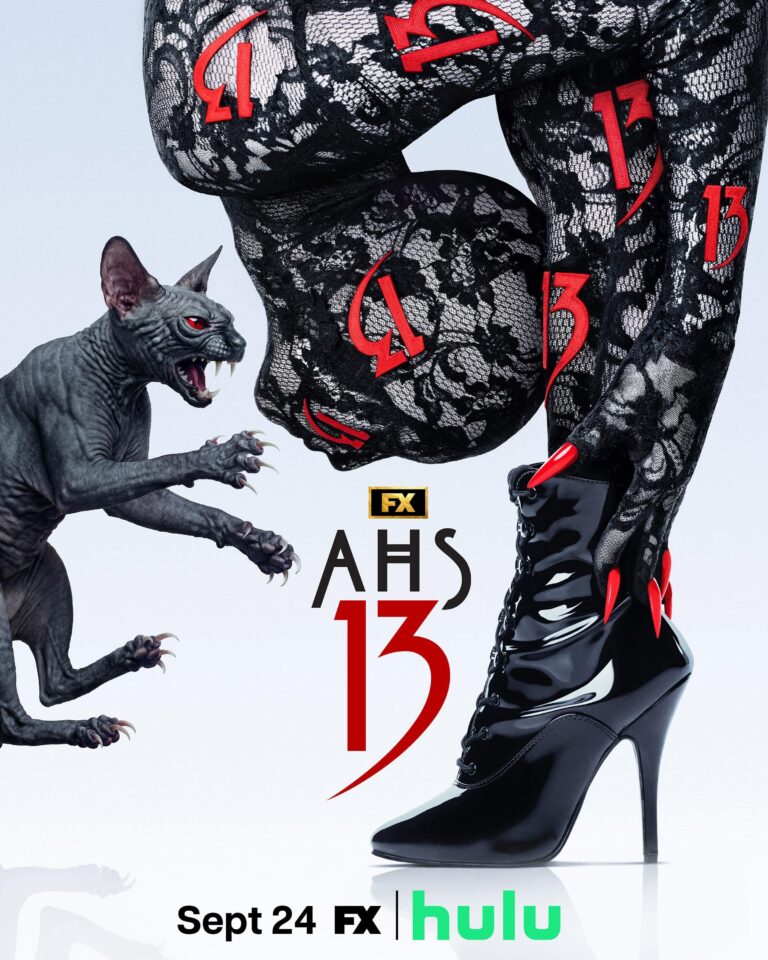
Fifteen years of American Horror Story has been building to this moment. Ryan Murphy’s anthology series has always played with callbacks and returning characters, but 13 is something genuinely unprecedented, a full-scale crossover event pulling together beloved characters from across the show’s entire 12-season run. Murphy calls it “the Avengers of American Horror Story.” Based on everything revealed so far, that description is not hyperbole. The series has been streamed over 700 million hours globally, and this is the season its entire fanbase has been demanding since Apocalypse.
The Premiere
American Horror Story: 13 premieres Thursday, September 24, at 9 PM ET on FX and Hulu. It streams internationally on Disney+. Originally planned for Halloween night, Murphy moved the date to September 24 in April. Filming ran from April 6 to July 28, 2026.
The Format
13 episodes. 13 half-hours. Three drop on September 24. Three more the following week. Then two episodes every Thursday through the season finale on October 29, landing, appropriately, the night before Halloween.
The Cast
This is where 13 becomes genuinely historic. Sarah Paulson returns in five roles, Cordelia Goode, Sally McKenna, Wilhemina Venable, Tuberculosis Karen, and Mamie Eisenhower. Evan Peters plays Tate Langdon, James Patrick March, and Kai Anderson. Angela Bassett returns as Marie Laveau. Kathy Bates returns as Delphine LaLaurie. Emma Roberts returns as Madison Montgomery. Billie Lourd returns as Mallory. Leslie Grossman, Gabourey Sidibe, Jamie Brewer, John Carroll Lynch, Mena Suvari, and Mat Fraser all return. Frances Conroy came out of acting retirement to reprise Myrtle Snow in a special cameo. John Waters appears as Mr. Phibes.
And then there’s the headline, Jessica Lange returns as Constance Langdon, despite saying in February 2025, when asked if she’d ever come back: “Oh Christ, no.” She changed her mind. The season was announced with a photoshoot of Lange back in character.
What the Trailer Shows
The official trailer dropped September 10. Lange’s Elsa Mars opens it welcoming the audience to “the greatest show on Earth.” Peters’ James Patrick March announces it’s “witch-hunting season.” Cordelia Goode, asked what she’s sensing, replies, “A harbinger of our doom. So much terrifying and vengeful death. Something wicked this way comes.”
Murphy’s stated ambition for the season: the characters have spent years battling the Antichrist. 13 goes further. “Let’s go above his pay grade for this.” Evan Peters’ description, a “greatest-hits season.”
American Horror Story, 13 premieres Thursday, September 24, at 9 PM ET on FX and Hulu.
Have horror news to share? Send us trailers, releases, festival updates or indie film announcements for possible coverage on LikeHorror. Submit News →</div
Netflix’s annual Halloween programming push, branded as Netflix and Chills, is one of the most reliable genre traditions in streaming. The 2026 lineup is a strong one. Every October, the platform draws horror fans back with a mix of originals and licensed titles spanning every subgenre. This year, two standout originals lead the charge alongside a catalogue of crowd-pleasers. Here’s everything confirmed so far, in date order.
September 23
LifeHack (2025) kicks off the horror season a full week early.
September 24
The bigger arrival is Balaraw: Blood Island Season 1. Filipino horror has been building serious international momentum over the last few years, and this Netflix Original looks like a major arrival for the subgenre. Sabina traces a mysterious clue to an uncharted island years after her mother’s disappearance. What she finds are dark secrets buried deep within her own family. Also landing September 24: M. Night Shyamalan’s Knock at the Cabin (2023).
September 27
Slice (2018), the horror-comedy starring Chance the Rapper, joins the library.
September 29
Daniel Isn’t Real (2019) streams on Netflix for the first time. The timing is perfect, director Adam Egypt Mortimer’s new film Pathetic Fallacy premieres at Fantastic Fest this very week, making this an ideal entry point for new audiences discovering his earlier work.
September 30
I’ll Always Know What You Did Last Summer (2006) and Resident Evil: The Final Chapter (2016) both arrive, solid franchise comfort watches for the Halloween lead-up.
October 1
The biggest library day of the month. The Sixth Sense (1999), Evil Dead (2013), Lake Placid (1999), Happy Death 2U (2019), and Underworld: Blood Wars (2016) all land together. Evil Dead (2013) is particularly timely, with Evil Dead Burn still in theaters and Evil Dead Wrath on the horizon, this is the ideal moment to revisit the film that relaunched the franchise.
October 2
My Child Has My Doctor’s Face (2024) arrives.
October 6
Rob Savage’s The Boogeyman (2023) lands alongside Pride and Prejudice and Zombies (2016). Savage also directed Other Mommy, opening in theaters October 9, making this a rare week where the same director has both a new theatrical release and a library title freshly on the platform.
October 8
The most exciting original of the month, Below. Josh Hartnett plays a hard-bitten Newfoundland fisherman fighting to protect his family from a mysterious sea creature terrorizing his coastal town. Hartnett has been on a serious genre roll following Trap (2025). A Netflix creature feature limited series could be the breakout horror TV event of October.
October 9
Haunted Hotel Season 2 returns, a single mother runs the world’s most haunted hotel with her ghost brother, two kids, a demon in a child’s body, and an ever-growing collection of supernatural disasters. Season 1 surprised as a family-horror hit. Also October 9: Is It Cake? Halloween Season 2, hosted by Mikey Day, featuring six hyper-realistic cake artists competing for a major cash prize in front of celebrity judges.
October 14
Cocaine Bear (2023) closes out the confirmed lineup. That’s exactly the right note to end on.
Netflix has signalled more additions may still come before October, so expect the list to grow.
Have horror news to share? Send us trailers, releases, festival updates or indie film announcements for possible coverage on LikeHorror. Submit News →
2026 has already been a pretty good year for horror so far. From the chaotic landscape of 28 Years Later: The Bone Temple to Obsession becoming one of the most profitable horror releases in decades, and Backrooms dragging us into its endless liminal maze, the genre has been on a decent tear, delivering scares that are both artistically ambitious and commercially massive. But as we edge toward the back half of the year, the real fireworks are only just beginning, because between September and December, an interesting lineup of horror movies is about to hit theaters.
1. Resident Evil
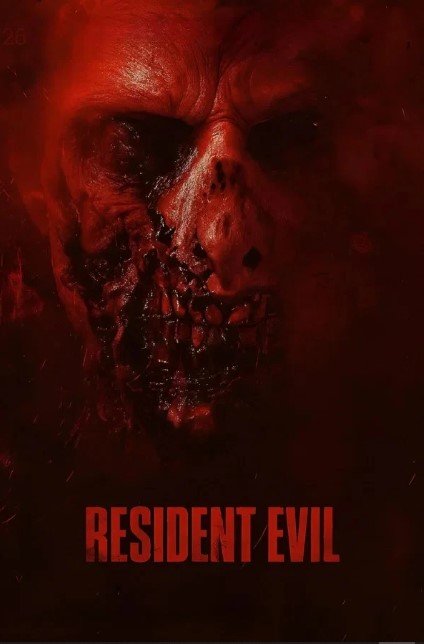
Zach Cregger’s Resident Evil kicks things off on September 18, and it’s easily one of the most anticipated horror releases of the year. The Barbarian and Weapons director finally gets his hands on the beloved Capcom franchise, promising to drag it back into full survival horror territory instead of the sci-fi action spectacle fans have grown used to.
The film follows Bryan, played by Austin Abrams, a medical courier delivering to Raccoon City General Hospital during a blizzard when an outbreak turns his night into a desperate fight for survival.
Alongside Abrams, the cast includes Zach Cherry, Kali Reis, and Paul Walter Hauser, and Cregger has confirmed this is an entirely original story that doesn’t touch legacy characters like Leon or Jill, serving instead as his own love letter to the games.
Between the atmospheric dread, the creature design, and Cregger’s blend of horror and dark humor, this one has the makings of a genuine reinvention when it hits theaters courtesy of Sony Pictures.
2. Victorian Psycho
Victorian Psycho drops a week later on September 25, and it’s shaping up to be one of the most stylish and unhinged entries on this list.
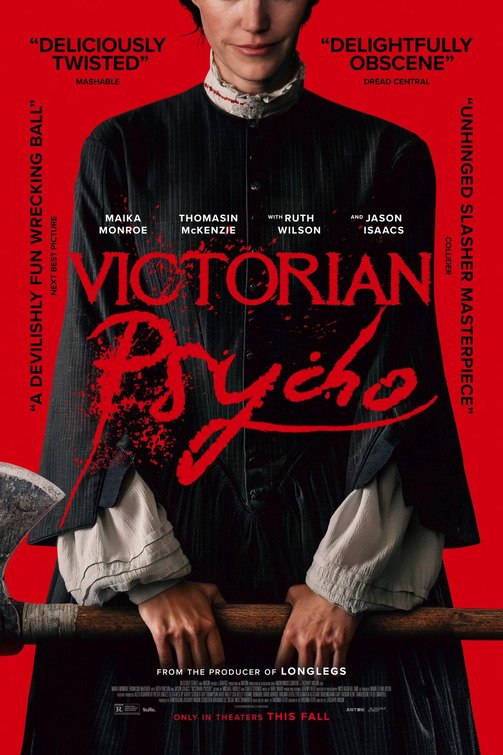
Based on Virginia Feito’s twisted novel of the same name, the story is set in 1858 and follows Winifred Notty, an eccentric governess played with delicious menace by Maika Monroe, who arrives at the gothic Ensor House to tutor the children of a wealthy family while secretly harboring psychopathic urges she can barely contain.
As staff members begin disappearing one by one, the family slowly starts to suspect something is deeply wrong with their new hire, but by then it may already be too late.
The supporting cast features Thomasin McKenzie, Jason Isaacs, and Ruth Wilson, all adding to the period drama’s slow-burning tension.
If the early buzz holds up, this could be the gothic horror-thriller everyone is talking about by Halloween, with Monroe already being singled out for one of the most deranged performances of the year.
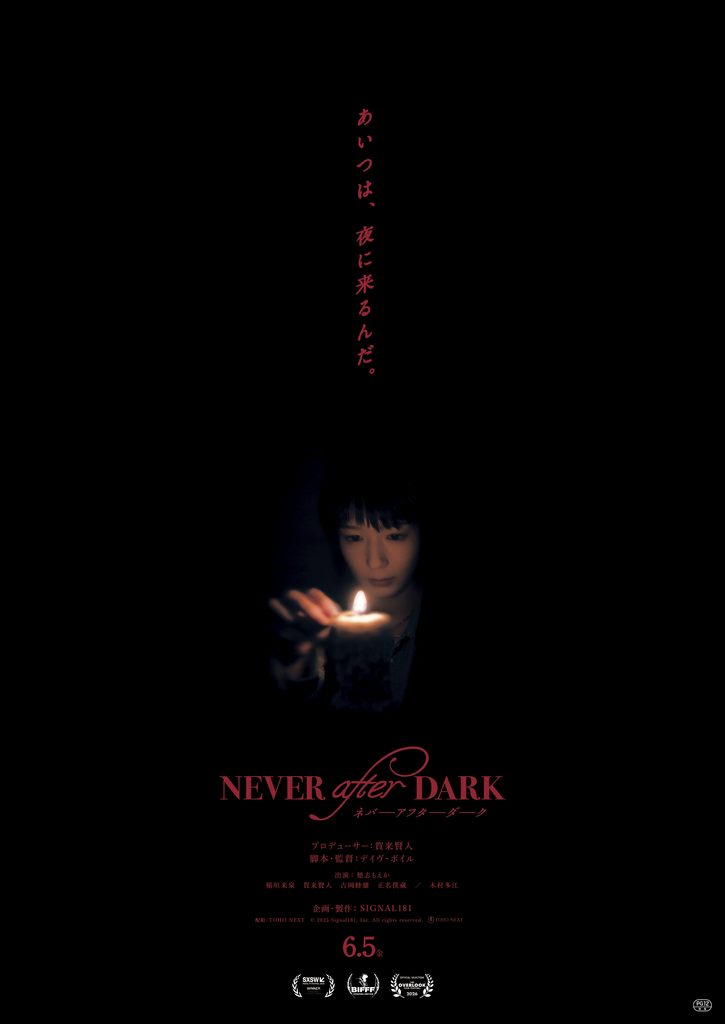
3. Never After Dark
Also on the way is the Japanese import Never After Dark, a quiet but chilling ghost story directed by Dave Boyle that has already racked up festival buzz, winning the SXSW Midnighter Audience Award and the Grand Jury Prize at the Overlook Film Festival ahead of its wide release.
The story follows Airi, a traveling medium played by SAG Award winner Moeka Hoshi, who guides restless spirits out of the world of the living, accompanied by the ghost of her own dead sister.
When Airi is summoned to an isolated countryside house to cleanse it of a spirit, she comes face to face with a grotesque apparition whose powers defy everything she has encountered before.
Digging into the house’s past uncovers a dark secret, and she realizes her greatest threat isn’t supernatural at all but disturbingly human, a slow burn already praised at its festival stops as a fresh, striking take on the haunted house formula. Never After Dark is also scheduled for a limited U.S. theatrical release on September 25.
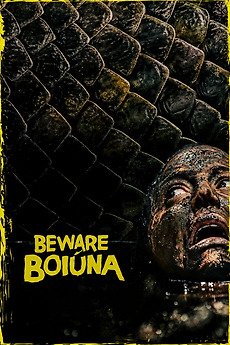
4. Beware Boiúna
Then things go full creature feature with Beware Boiúna, bringing monster horror back to the big screen in a big way.
Directed by Mike P. Nelson of Wrong Turn fame, the movie is focused on a team of doctors on a medical mission deep in the Amazon rainforest along the Curuçá River, whose presence awakens Boiúna, a colossal ancient serpent of legend determined to reclaim her territory from every intruder who dares set foot in it.
The cast is led by Logan Marshall-Green, Kiana Madeira, and Jessica Rothe, all thrown into a relentless fight for survival once the jungle turns hostile.
Between the claustrophobic tension, the mix of practical creature work and big visual effects, and the kind of survival dread that made films like Anaconda and The Descent so effective, this one leans hard into nature-gone-wrong horror, and it looks primed to be one of the messiest, most entertaining popcorn scares of the fall season. The movie will slither its way into theaters on October 2.
Want to know what is worth your time? Read more LikeHorror reviews before choosing your next scary movie. Read Reviews →
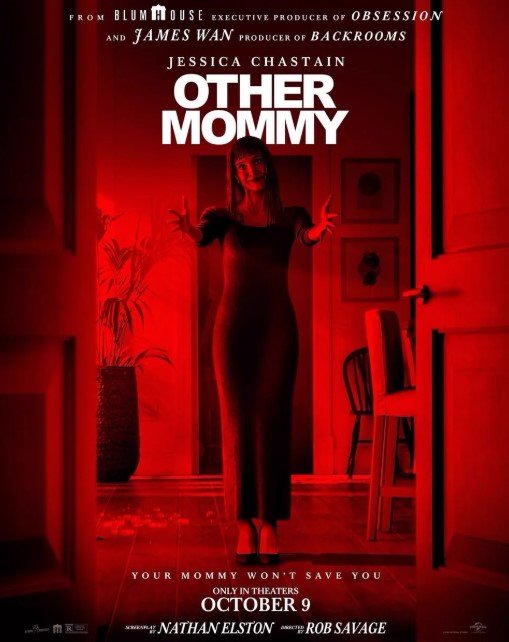
5. Other Mommy
A week later comes Other Mommy, arriving with a premise creepy enough to make anyone check their closet twice.
Rob Savage, who previously unsettled audiences with The Boogeyman, takes the director’s chair alongside James Wan’s atomic monster producing, to bring a story centered on eight-year-old Bela, who lives in a home strained by her parents’ marital problems and forms an unsettling bond with a sinister entity that emerges from her closet wearing her own mother’s face.
Jessica Chastain pulls double duty here, playing both the real mother Ursula and the grotesque doppelgänger Bela names Other Mommy, and as the entity’s boundaries break down, the family is left trying to figure out who is actually real.
The trailer alone has been unsettling enough to go viral, with twisted body horror and physical effects work that turns a bedtime fear into something far more disturbing. It could end up being one of Blumhouse’s creepiest offerings yet when it opens in theaters on October 9.
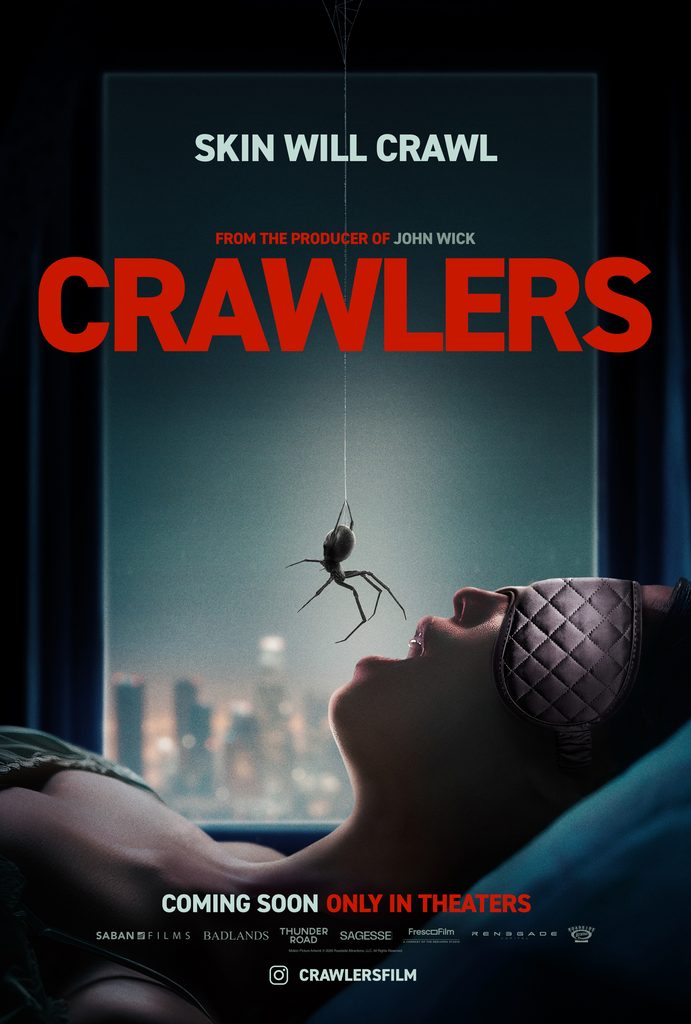
6. Crawlers
Right after Other Mommy comes Crawlers, a creature feature that trades monsters and doppelgängers for something far more skin-crawling: spiders.
Spanish filmmaker Ángel Gómez Hernández steers this one, telling the story of Serena, the overworked manager of the Paradiso Palms apartment complex, whose day gets exponentially worse when a mysterious death turns out to be the first sign of a fast-spreading spider infestation.
What starts off looking like a viral outbreak quickly reveals itself as something far more terrifying, and with the building placed under quarantine, residents are trapped with no way out and forced to fight for survival as the threat multiplies by the second, leaving Serena to lean on her knowledge of the building to keep everyone alive while confronting her own worst fear. Crawlers will scuttle into theaters on October 16.
7. Clayface
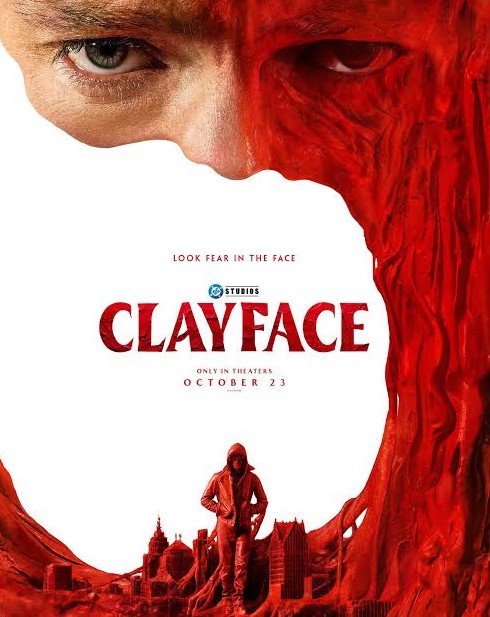
Halloween season gets its biggest horror swing with Clayface, DC Studios’ first-ever foray into full-blown body horror. It’s directed by James Watkins, best known for the disturbing Speak No Evil and Eden Lake, working from a screenplay by Mike Flanagan and Hossein Amini.
The film reimagines Matt Hagen as a rising Hollywood actor whose career is tragically cut short when a crime boss leaves him horribly disfigured.
Desperate and abandoned, Matt seeks out an experimental treatment that restores his looks but unravels his grip on reality, sending him spiraling into a grotesque, all-consuming path of revenge.
Tom Rhys Harries stars as Hagen, alongside Naomi Ackie, Max Minghella, David Dencik, and Eddie Marsan.
If the tone of the trailers is anything to go by, this leans hard into practical body horror rather than typical superhero spectacle, playing more like a cautionary tale about fame and identity than a conventional villain origin story. The body horror phenomenon is set to ooze into theaters on October 23.
8. Werwulf
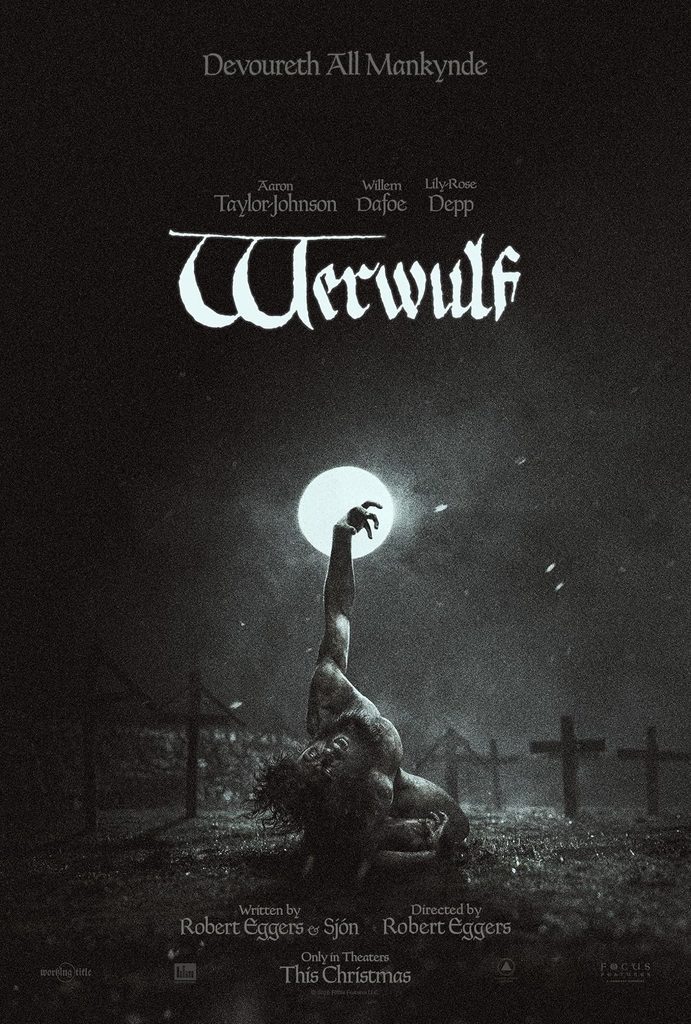
Closing out the year in the biggest way possible is Robert Eggers’ Werwulf, a Christmas Day release hitting theaters December 25 and arguably the most prestigious horror film of the year.
It comes from the auteur behind Nosferatu, The Witch, and The Northman, and is set in thirteenth century England, centering on a man known only as Man, whose family lives in a remote village terrorized by a mysterious beast, only for us to learn through flashbacks that he was lured into lycanthropy years earlier by an ominous elder.
Aaron Taylor-Johnson leads the cast in the title role, reuniting with Eggers alongside Lily-Rose Depp and Willem Dafoe after their work together on Nosferatu.
Given Eggers’ signature painterly cinematography, dense period dialogue, and his own claim that this is the darkest script of his career, it’s shaping up to be less about jump scares and more a slow, folk horror descent into paranoia and primal violence.
Want more horror breakdowns? Watch LikeHorror on YouTube for rankings, movie facts, franchise guides and scary picks. Watch on YouTube →
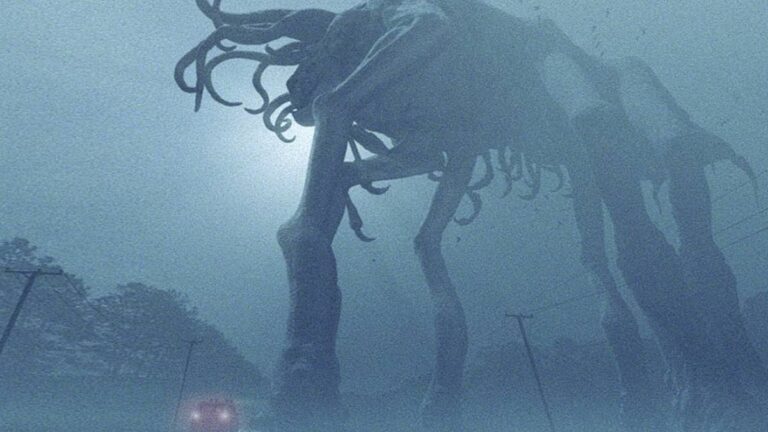
Mike Flanagan has quietly become the most trusted filmmaker in the Stephen King universe, and he just added another King title to his growing list. After The Haunting of Hill House, Bly Manor, Midnight Mass, The House of Usher, Life of Chuck, and the upcoming Carrie series, Flanagan’s track record with literary horror source material stands unmatched in modern genre filmmaking. A Flanagan adaptation of The Mist, one of King’s most claustrophobic and psychologically rich novellas, ranks as one of the most exciting horror announcements of the year. Furthermore, Frank Darabont’s 2007 film holds widespread recognition as one of the best Stephen King adaptations ever made, which makes this new version’s existence both bold and genuinely intriguing.
He’s Writing It Right Now
Flanagan confirmed to Collider that his Mist screenplay is currently in progress. He was working on it on the plane to the interview. He plans to turn the finished script in around Halloween.
This Is Not a Remake
Flanagan has been emphatic on BlueSky about what this film is not. His exact words, “I love Darabont’s film, and there’s zero point in remaking it. Which is why I’m going in a different direction.” He doubled down further, “This isn’t a retread. The differences start page 1.”
He also preempted the inevitable pushback from fans questioning why a new version needs to exist at all, “I got the same ‘but why’ comments for Haunting of Hill House, Bly Manor, House of Usher, Carrie, The Exorcist, even Ouija: Origin of Evil. Also got it for Life of Chuck. I’ve been lucky so far in my career to only take on projects I’m really excited about.” And then, to a fan asking directly, “The Mist is going to be great. If there wasn’t an excellent answer to why, I wouldn’t do it.”
Flanagan writes and directs.
The Source Material
King’s The Mist was first published in the 1980 anthology Dark Forces before being collected in Skeleton Crew in 1985, alongside The Raft, Survivor Type, and The Monkey. The story is set in a Maine town swallowed by a mysterious fog. Creatures emerge from the mist. A group of survivors takes refuge in a local grocery store, and discovers that mob mentality and unchecked religious extremism can be just as deadly as whatever is lurking outside. It’s the King story that’s always been as much about human nature as monster horror. Flanagan, whose work consistently centres on grief, family fracture, and the psychology of dread, is a natural fit.
Darabont’s 2007 adaptation starred Thomas Jane and Marcia Gay Harden. A Spike TV series ran briefly in 2017 and was cancelled after one season. Flanagan’s version will be the third screen adaptation.
No cast, studio, release date, or production timeline has been announced yet. The script isn’t finished.
Have horror news to share? Send us trailers, releases, festival updates or indie film announcements for possible coverage on LikeHorror. Submit News →
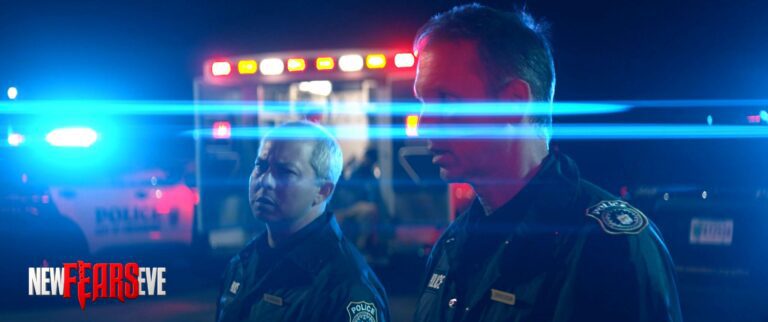
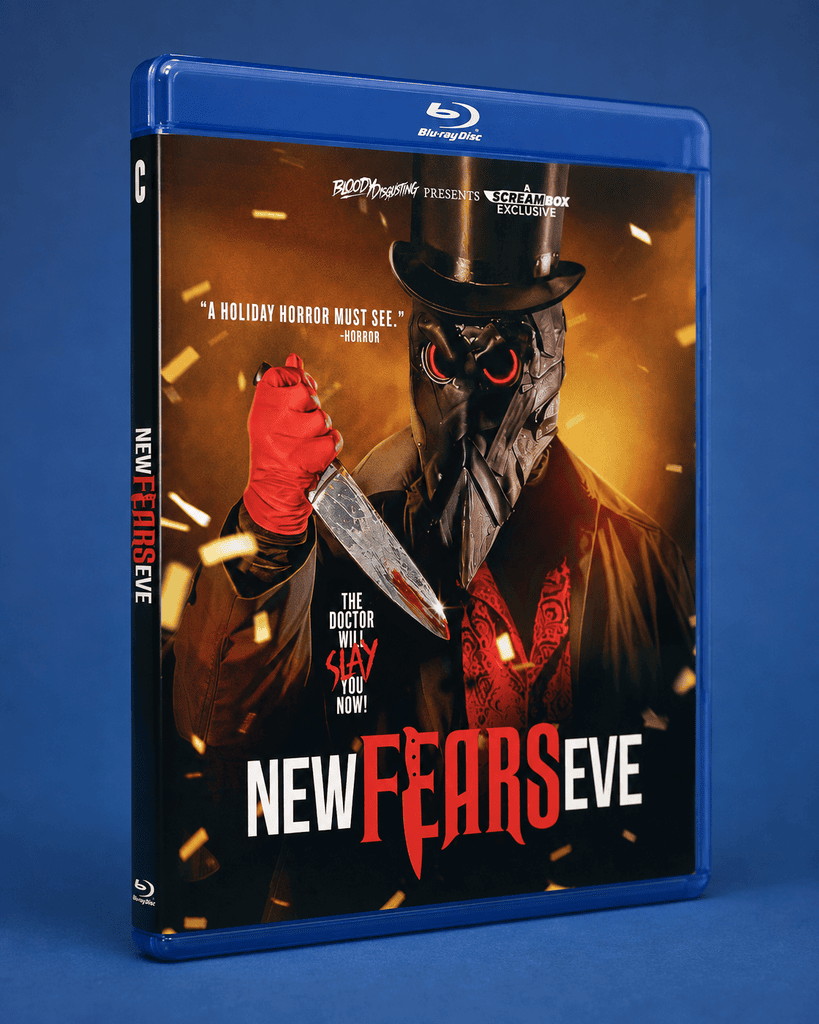
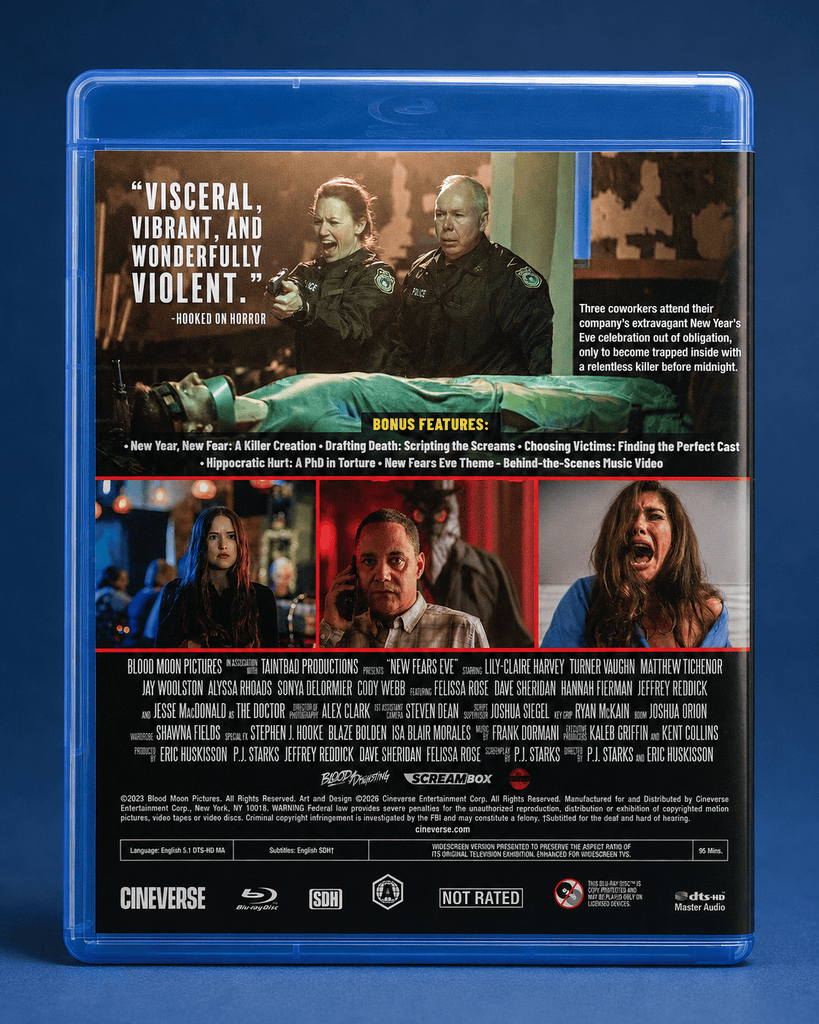
After a strong run on SCREAMBOX, indie holiday slasher New Fears Eve has made the jump from streaming to physical media with a new Cineverse Collector’s Edition Blu-ray.
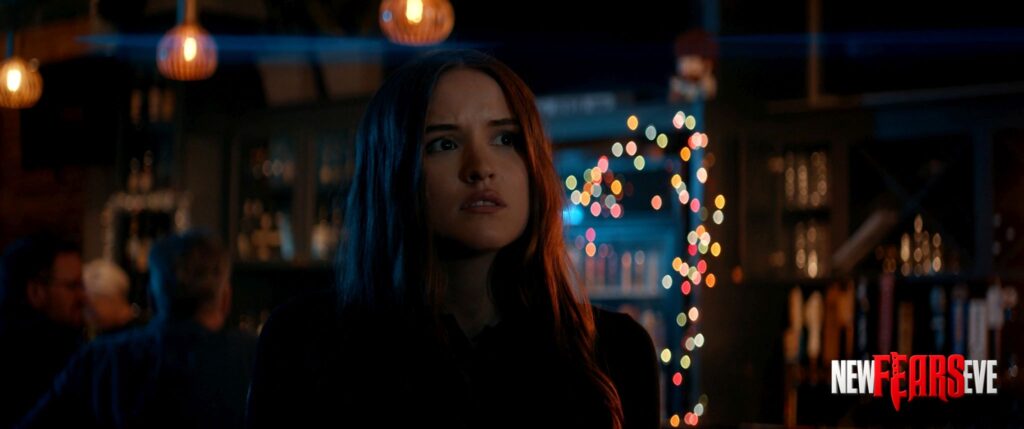
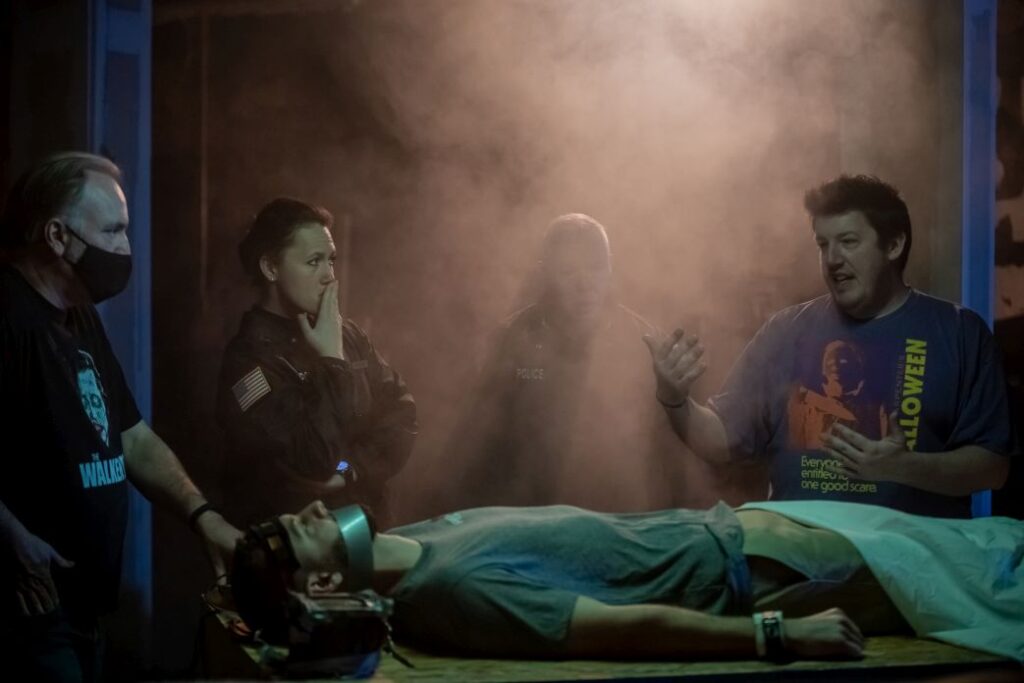
Directed by P.J. Starks and Eric Huskisson, the film follows three friends trapped at a mandatory New Year’s Eve company party while a masked killer known as The Doctor turns the celebration into a fight for survival. Its cast includes Dave Sheridan (Scary Movie), Felissa Rose (Sleepaway Camp), Hannah Fierman (V/H/S) and Final Destination creator Jeffrey Reddick.
Following the film’s streaming success—including six weeks in SCREAMBOX’s Top 5 and two weeks at number one—we spoke with writer, director and producer P.J. Starks about the unexpected physical release, its 13 special features, the lasting importance of physical media and what could come next for New Fears Eve.
When did you first realize that New Fears Eve was performing particularly well on streaming?
After it debuted on SCREAMBOX, we saw a steady move through the Top 10 list. Ultimately, it trended in the Top 5 for around six weeks, and two of those were in the number-one spot. That’s when we had a feeling it was doing fairly well.
Without sharing any confidential figures, what information or feedback did you receive about the film’s performance?
Not long after it was trending on SCREAMBOX, we got an email from Tony Wash, their Director of Programming, congratulating us on the release and how it was doing. I’ve known Tony for years, so that was really cool to receive. Either way, that told us it was performing well for them.
How did the Blu-ray release come about? Did Cineverse approach you after seeing the streaming results?
In our initial talks with Cineverse, they had told us there were no plans for a physical release—which, of course, was a blow to my soul since I’m a big physical-media collector. The business side of me understood it because they had no idea how the film would do.
After the film dropped, that all changed. They reached out and said they wanted to release the film on Blu-ray. Of course, we were really excited about that prospect.
What does receiving a physical release mean to you personally as an independent filmmaker?
Like I said, I’m an avid collector of movies. As a filmmaker, it means even more because genre fans, particularly those who appreciated our movie, will now have a tangible version they can put on a shelf in their homes.
If we’ve learned anything, it’s that film accessibility via streaming is finite. It’s only a matter of time before every film is no longer available online due to contracts, legal issues, etc. This means the world because it means our film will have a life beyond the digital void.
How involved were you in the Blu-ray presentation, including its artwork, packaging and additional content?
I was heavily involved. The artwork they used is from the initial streaming release. It was artwork I had designed and sent them. They repurposed it for the Blu-ray, which was fine because we’d already approved it.
Even though Cineverse said they had no plans to release a Blu-ray, I still figured there was always a small chance they would change their minds. Therefore, when I edited the special features for the Indiegogo release, I put 20 together in total. Ten of those went on that release, and I held back the other ten just in case.
I’m glad I did because the Cineverse release is almost entirely different from our Blu-ray. It has ten brand-new special features, but I did throw in the three I liked most from the Indiegogo release, just to make it 13.
Looking back, which producing or marketing decisions helped New Fears Eve reach a wider audience?
We believe being with a larger company has helped somewhat. In the larger picture, our fanbase and viewership are still very niche. This means the only direction to go is up.
Eric and I are still growing as filmmakers, so our traction within the horror community will hopefully continue to grow as well.
What has this experience taught you about working with distributors and building a longer life for an independent horror film after its initial release?
I can say that every decision you make turns into a learning experience—sometimes good and sometimes bad. Regardless of how it turns out, it thickens your skin and makes you more aware of how things should be handled going forward or next time.
I can say with certainty that the hustle never ends. Thankfully, we’ve gotten so much support for this film, and it shows. That’s why we’re still talking about it nine months after the initial release.
Do the film’s streaming performance and Blu-ray release affect your plans for a sequel or future projects?
Not necessarily. I guess if everyone hated the film, it might cut the legs out from under the excitement of doing another. Thankfully, that hasn’t been the case.
The story is larger in the sequel, which means the set pieces are larger. Obviously, this comes with a bigger price tag. Ultimately, whether we can acquire the budget we need will determine if New Fears Eve Part 2 sees the light of day.
Why do you think physical media remains important to horror fans, even in a streaming-dominated market?
Don’t get me wrong, I enjoy the ease of access because I can be lazy. Sometimes I still stream movies I own because I don’t feel like getting up from the sofa [laughs].
As I said previously, there’s something special about having a tangible copy of the film. It might be the assurance of knowing you’ll always have the film readily available, the experience of searching your collection for 45 minutes only to select the same film you’ve seen hundreds of times—as we’ve all done since the rental days—or just the nostalgia of physical media in general.
I just always say it’s better than a crack habit.
What would you like viewers discovering New Fears Eve through the Blu-ray release to know before watching?
This film is very special to me because I wrote so much of myself into the script. It’s a very personal narrative. But before you think it’s some artsy-fartsy experimental drama, it has a very thick layer of sophomoric humor and lots of gore.
As a matter of fact, the inappropriate conversations, kill count and disgusting humor have caused some viewers to lose sight of the bigger picture altogether. Not everyone will love the film, but genre cinephiles who like a good laugh, a gnarly death and Kevin Smith are going to really enjoy it.
The New Fears Eve Collector’s Edition Blu-ray is now available exclusively through Amazon.
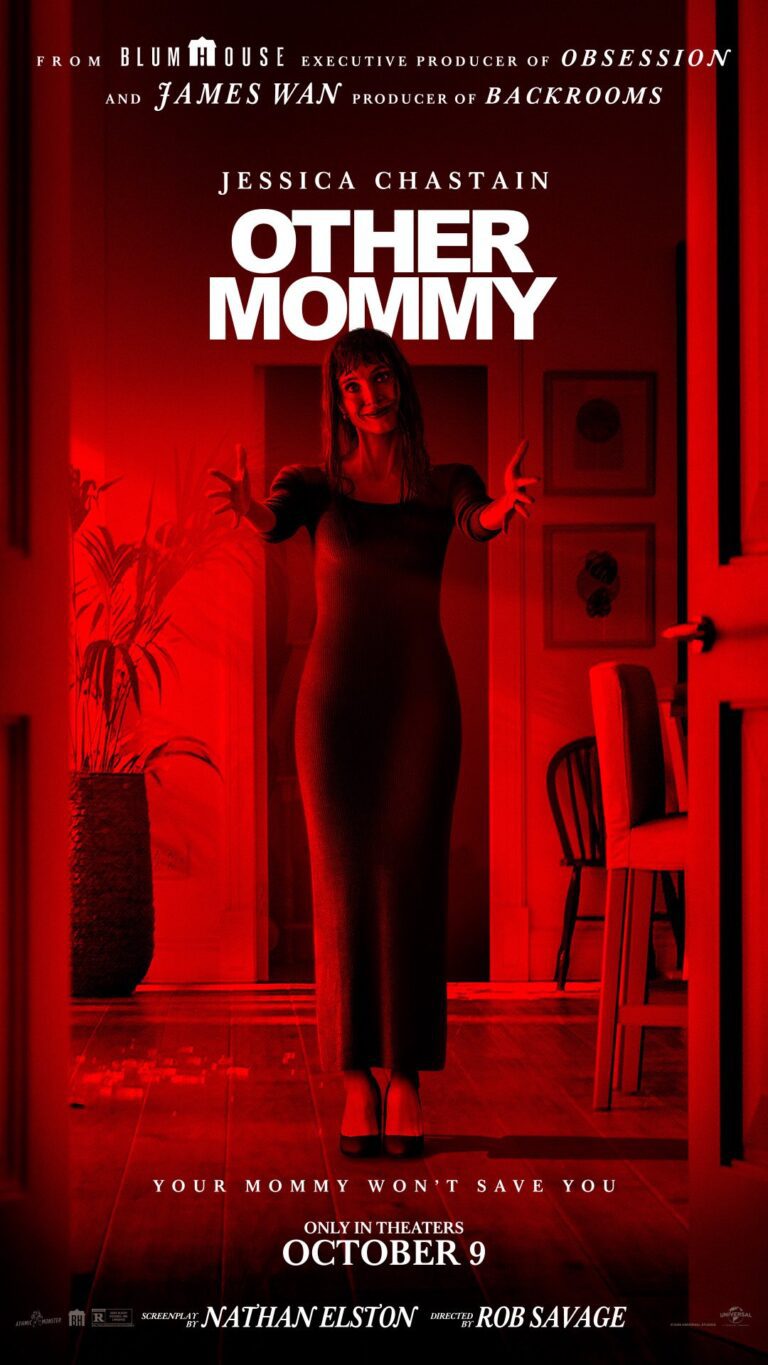
A child. A bath. Mom walks in. But mom is already in the room. Other Mommy just dropped its second trailer, and tickets are on sale now.
Universal Pictures released the new footage today ahead of the film’s October 9 theatrical release. The trailer opens with a deceptively quiet scene, a child bathing with their mother. Something feels slightly off. Then another mother walks through the door. The child looks between them. Neither one breaks eye contact. That’s the entire engine of the film, which one is real, and what does the other one want?
The Story
Young Bela forms an unsettling bond with a sinister entity living inside her home that looks exactly like her mother. Academy Award winner Jessica Chastain (It Chapter Two, The Eyes of Tammy Faye) plays both roles, Bela’s real mother and “Other Mommy,” the entity wearing her face. It’s a dual performance that requires Chastain to be warm, familiar, and deeply wrong simultaneously.
Jay Duplass (Transparent, Industry) plays Daddo, Bela’s father. Arabella Olivia Clark (The Housemaid, The Hand That Rocks the Cradle) plays Bela. The supporting cast includes Dichen Lachman (Severance), Arian Moayed (Succession), and screen legend Karen Allen (Indiana Jones).
The Team
Rob Savage (Host, The Boogeyman) directs from a screenplay by Nathan Elston, a WGA Award winner and writer on the Emmy-winning Succession, adapting Josh Malerman’s New York Times bestselling novel Incidents Around the House. Malerman also wrote Bird Box. James Wan produces through Blumhouse Atomic Monster, the same banner behind Backrooms and Obsession. The film carries an R rating for “some bloody violence.”
Other Mommy opens in theaters October 9, 2026 from Universal Pictures. Tickets are on sale now at bit.ly/othermommy.
Have horror news to share? Send us trailers, releases, festival updates or indie film announcements for possible coverage on LikeHorror. Submit News →