


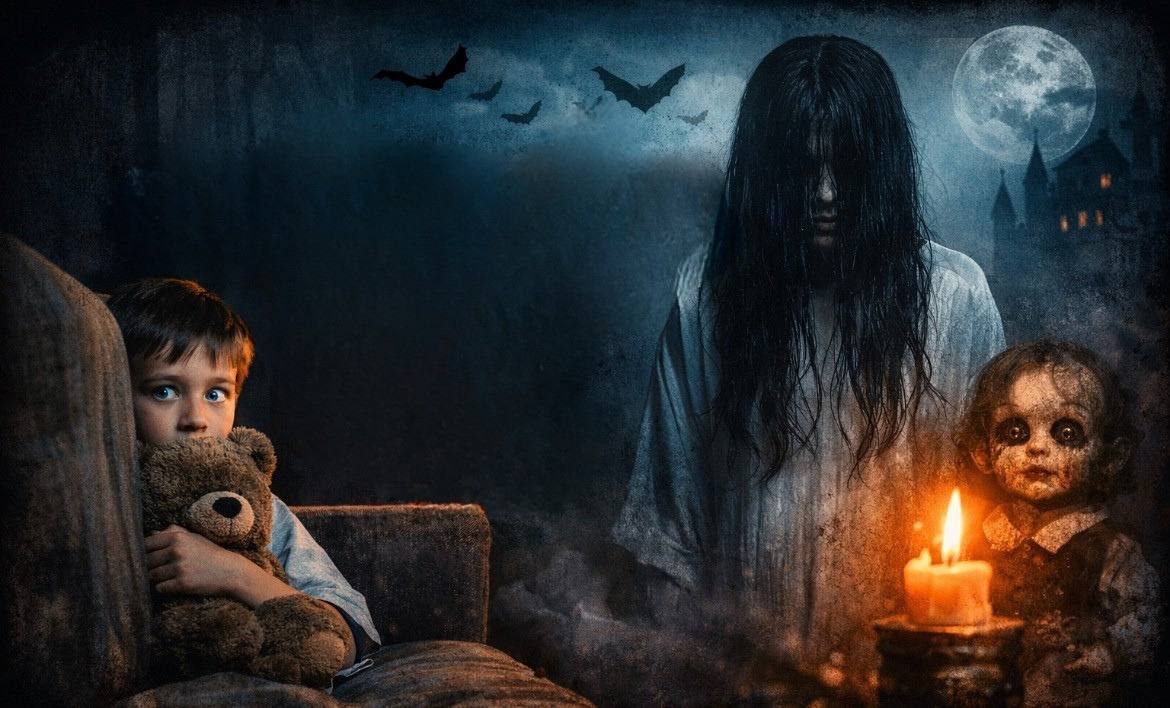
Horror movies have always fascinated young audiences. Even children who are easily startled by a sudden noise may still feel curious about ghost stories, monsters, and suspenseful films. It’s not unusual to hear a child ask to watch a popular spooky show like Stranger Things instead of a light family movie or cartoons.
Every child is different, and what feels exciting for one child may be overwhelming for another. Factors such as age, emotional maturity, and the intensity of the horror content all play a role in determining whether a child is ready for scary movies.
Why Parents Worry About Children Watching Horror Movies
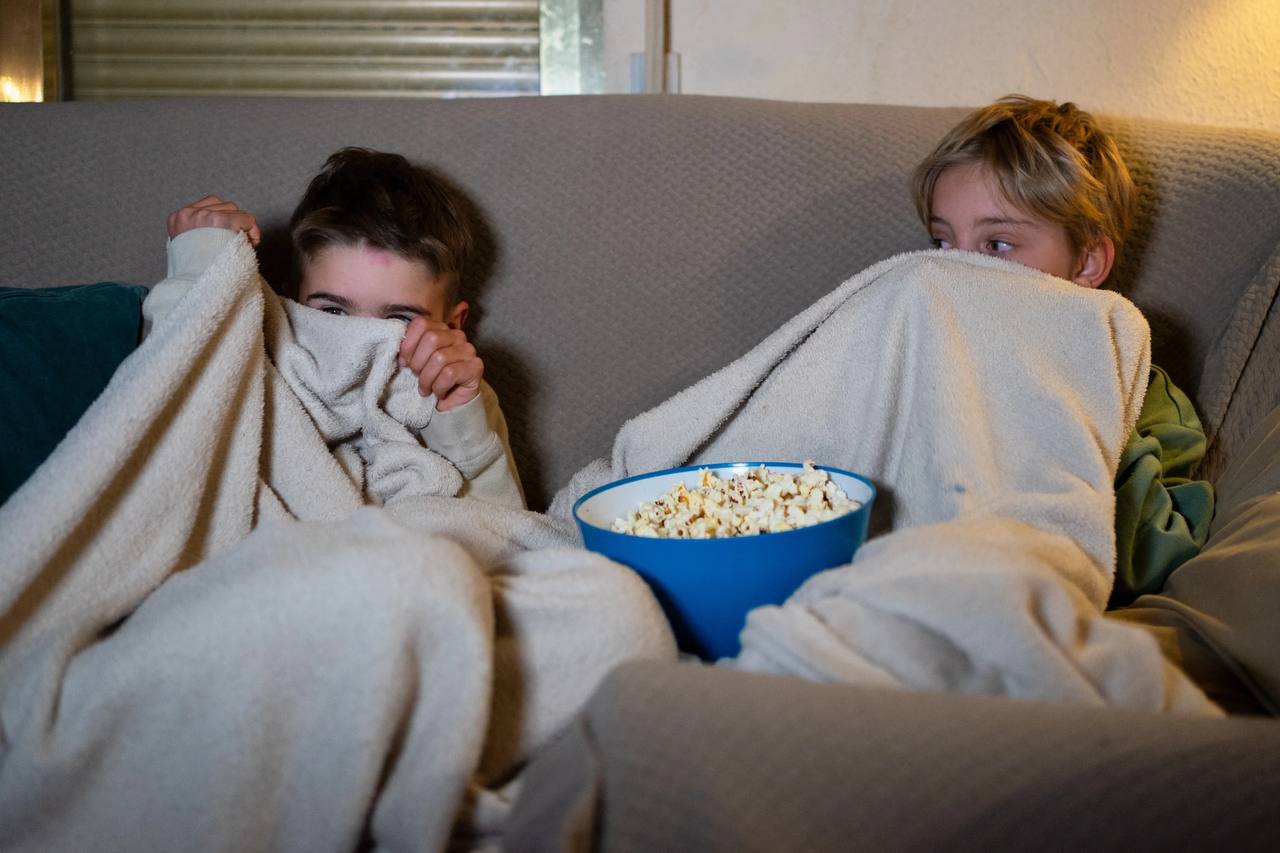
Horror movies are designed to trigger strong emotions such as fear, tension, and surprise. While adults may enjoy that thrill, younger viewers often process those emotions differently, children may continue thinking about the scary images long afterward.
For some, this can lead to difficulty sleeping, nightmares, or a sudden fear of being alone in the dark. While not every child reacts the same way, it is understandable why caregivers prefer to be cautious.
For children under the age of seven, a monster on screen may not simply feel like fiction; that creature might seem capable of appearing in their bedroom at night because logical reasoning is still developing at this stage.
Kids between eight and twelve years old generally understand that movies are staged and that the creatures and supernatural events are not real. However, this awareness does not always eliminate fear.
Teenagers are typically more prepared for complex stories and darker themes. However, not all horror movies are appropriate for this age group either. Some films explore disturbing themes such as trauma, abuse, or graphic violence.
These concerns are the reason many parents carefully consider when kids should start watching horror movies.
The Age and Development Factor
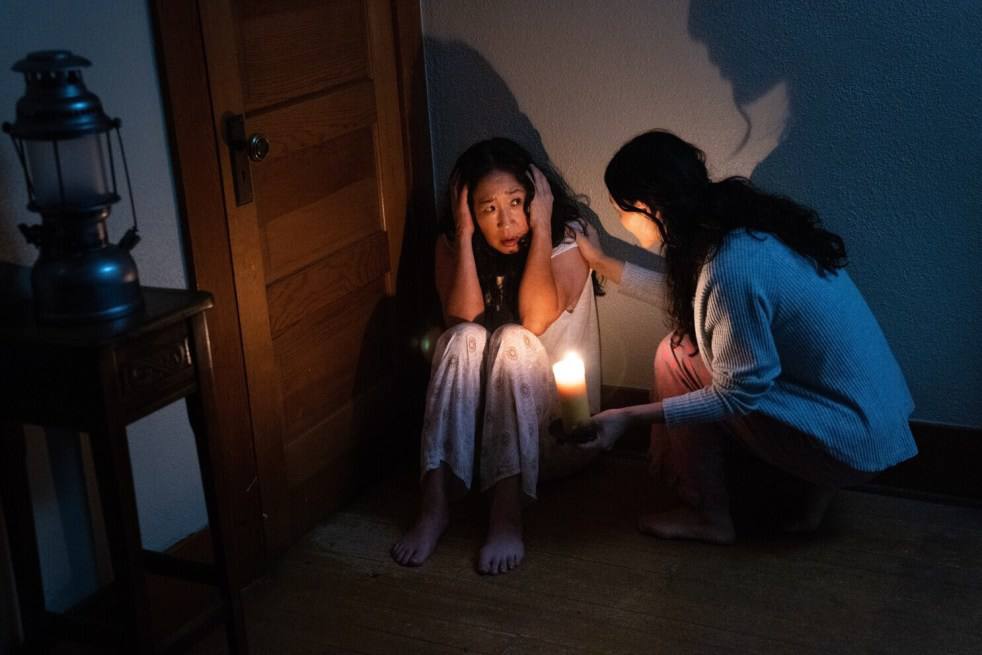
A child’s developmental stage plays a major role in how they interpret scary content. Younger children, in particular, have difficulty separating imagination from reality.
For children under the age of seven, the world of fantasy and real life often blends, a monster on screen may not simply feel like fiction. To a young child, that creature might seem capable of appearing in their bedroom at night. Because logical reasoning is still developing at this stage, even mild horror scenes can feel like genuine threats.
As children grow older, their ability to distinguish fiction from reality improves. Kids between eight and twelve years old generally understand that movies are staged and that the creatures and supernatural events are not real. However, this awareness does not always eliminate fear. Jump scares, eerie music, and suspenseful storytelling can still feel intense and emotionally overwhelming.
Teenagers are typically more prepared for complex stories and darker themes. Many teens enjoy suspense and psychological tension as part of entertainment. However, not all horror movies are appropriate for this age group either. Some films explore disturbing themes such as trauma, abuse, or graphic violence. Even older viewers can find these topics difficult to process.
Because of this, checking film ratings and understanding the type of horror content involved is always important.
How to Tell If a Child Is Ready for Horror Movies
Determining whether a child is ready for horror movies often requires paying attention to their behavior and emotional responses.
A child who asks questions about how movie special effects work may already understand that what they are seeing is a carefully created entertainment. Curiosity about costumes, makeup, and visual effects can indicate that the child views horror through a more analytical lens rather than reacting purely with fear.
Children who handle suspenseful scenes in adventure or action films without becoming upset may also be more prepared for mild horror elements. A consistent sleep pattern and the absence of frequent nightmares are additional signs that a child may be able to process frightening imagery without lingering anxiety.
On the other hand, some children are naturally more sensitive. A child who becomes easily frightened by news stories, intense video games, or dramatic scenes in movies may not yet be ready for horror content. Frequent nightmares or difficulty letting go of scary images can also signal that it might be better to wait.
Listening to these behavioral cues can help parents determine the right timing.
Tips for Introducing Horror Movies to Kids
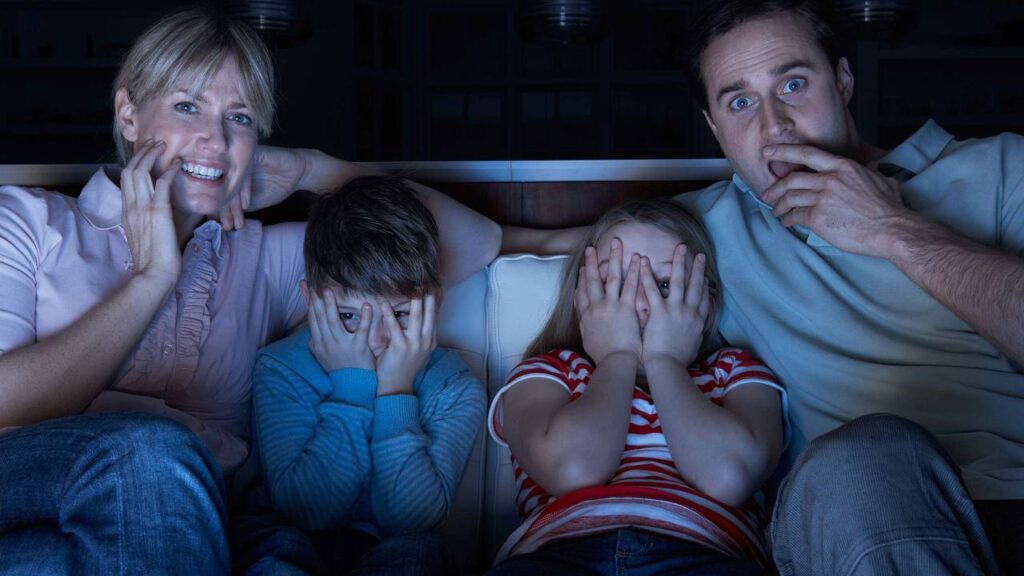
For families who decide to allow children to explore horror movies, a gradual approach often works best.
Starting with films that are spooky rather than terrifying can help children ease into the genre. Family-friendly supernatural adventures such as Monster House or Goosebumps provide suspense and mystery without the intense fear found in many adult horror films.
Watching the movie together is another important step. Co-viewing allows parents to observe how their child reacts during suspenseful moments. If the child appears uncomfortable or frightened, it becomes easier to pause the movie, talk about what is happening, or stop the film altogether.
The timing of the viewing can also make a difference. Watching a scary movie in the middle of the afternoon tends to feel less intimidating than watching it right before bedtime in a dark room.
Another helpful technique involves showing children how horror movies are made. Behind-the-scenes videos that reveal actors laughing on set or makeup artists creating monster costumes can quickly break the illusion. Once children see the creative process behind the scenes, the scary elements often feel less threatening.
Trusting Parental Judgment
Movie ratings and parental guidelines can provide helpful direction, but they cannot replace a parent’s understanding of their own child. Observing how a child reacts to different types of stories is often the best way to determine what they are ready for.
Ultimately, deciding whether children should watch horror movies comes down to careful judgment. When parents stay involved and attentive, it becomes much easier to strike the right balance between curiosity, entertainment, and emotional well-being.
