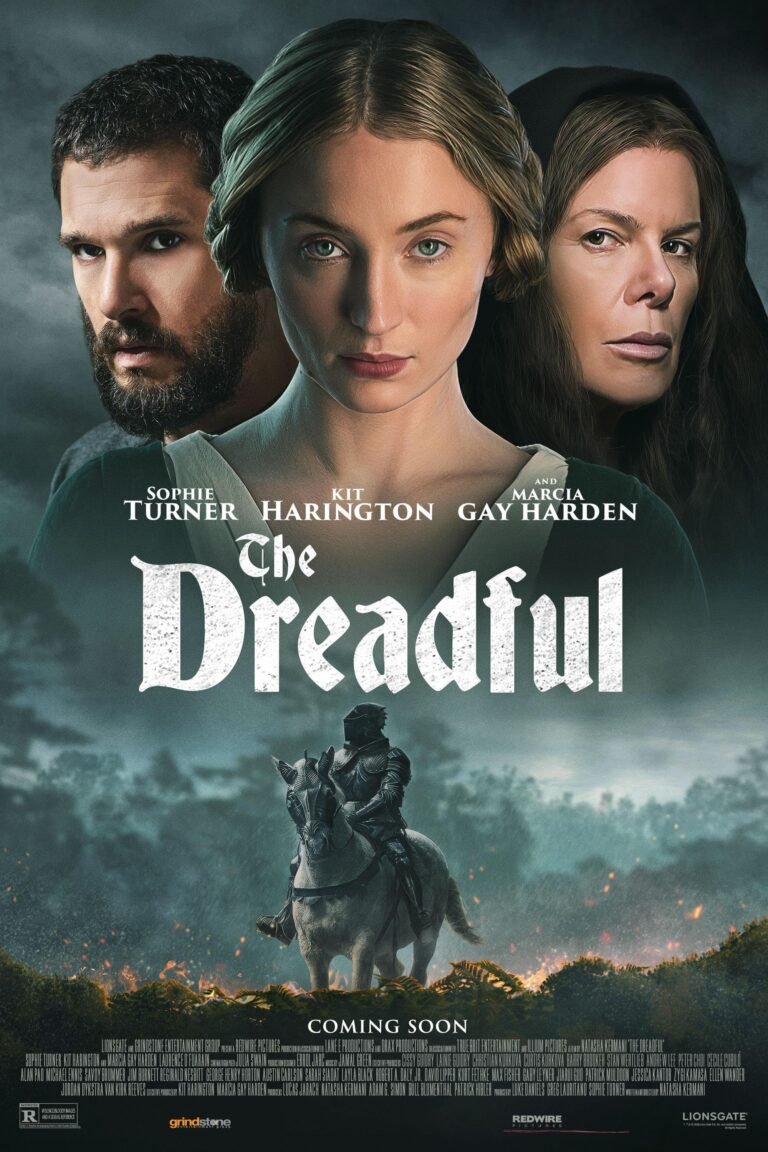
A haunting new horror film is generating buzz today with the release of its first official trailer. The Dreadful, a gothic period horror set in medieval England, stars Sophie Turner and Kit Harington, best known for their roles as Sansa Stark and Jon Snow on Game of Thrones, in roles that have already sparked strong fan reaction online.
The trailer gives audiences a look at eerie landscapes, witchcraft-tinged tension, and a sinister fantasy atmosphere that diverges from typical creature features. Turner portrays Anne, a woman living under oppressive conditions whose life takes a terrifying supernatural turn when Jago (Harington), a man from her past, returns from war. The film blends historical drama with supernatural dread, giving horror fans an immersive dark fantasy experience.
In addition to Turner and Harington, the cast includes Marcia Gay Harden, adding further gravitas to the ensemble. Early reactions to the trailer online have mixed nostalgia with excitement, as fans note the unusual casting reunion, prompting both memes and intrigue about the film’s tone and direction.
The Dreadful is scheduled to open in theaters on 20 February 2026, placing it among the early standout horror releases of the year. With its gothic setting, supernatural themes, and genre appeal, the film has quickly become a talking point ahead of its release, particularly among audiences eager for atmospheric horror with strong performances.
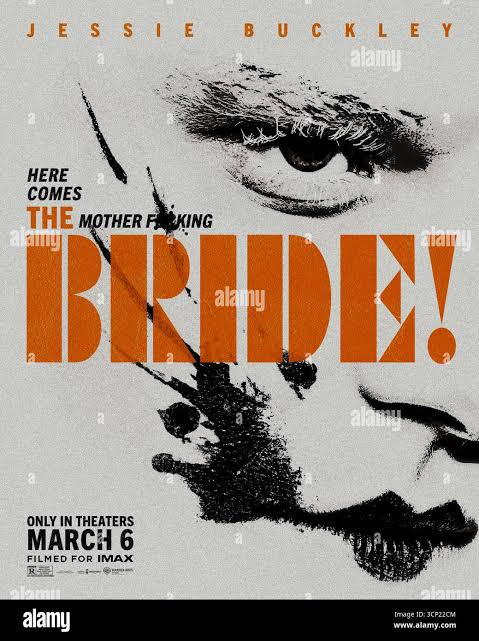
A bold new look at a classic monster story has arrived. The full trailer for The Bride! Maggie Gyllenhaal’s punk-rock reimagining of Bride of Frankenstein, has dropped online, giving audiences a first extended glimpse at one of 2026’s most intriguing horror releases. The Bride! hits theaters on 6 March 2026.
Gyllenhaal’s take turns the oft-overlooked Bride character into the central figure of the story, transforming the familiar myth into a wild punk love tale set in 1930s Chicago. The film diverges sharply from previous Frankenstein adaptations by focusing on character agency and emotional rebellion, with the Bride herself, played by Jessie Buckley, at the heart of the action.
The newly released trailer fully embraces the movie’s irreverent tone, blending romantic outlaw energy, violent confrontations, and dance-infused chaos that recalls classic crime romances as much as creature features. Audiences see Buckley’s Bride rise from death, dynamically paired with Christian Bale’s Frankenstein’s monster, and propelled into a radical story of love, violence, and self-assertion.
The film also stars Annette Bening as the groundbreaking scientist Dr. Euphronious, with Peter Sarsgaard, Jake Gyllenhaal, and Penélope Cruz rounding out the ensemble. Maggie Gyllenhaal writes, directs, and produces the film through Warner Bros. Pictures, which has positioned it as a leader in this year’s festival and theatrical horror slate.
Critics and fans reacting to the trailer online have highlighted the movie’s distinctive visual style and punk aesthetic, noting that Gyllenhaal’s vision pushes the genre into new emotional and stylistic territory. The Bride! isn’t just a re-imagined monster movie, it’s a romantic, chaotic, and defiantly unconventional take on identity, love, and power within the horror canon.
Mark your calendars: The Bride! will be in theaters and IMAX on 6 March 2026, offering a fresh, provocative entry in the Frankenstein lineage just ahead of spring horror season.
Jump scares in horror movies often get a bad reputation for being a “cheap” way to get a reaction, but when a director really knows what they’re doing, a well-timed scare is like a work of art.
It’s that perfect mix of silence, timing, and the sudden realization that something is very wrong. If you’re a horror fan, you know the feeling. In that little moment, your heart skips a beat, you accidentally toss your popcorn, and then you laugh because you can’t believe they actually got you.
Here are seven jump scares from horror’s origin days that still work every single time.
1. The Garage Projector – It (2017)
There’s nothing like technology failing to make a scary situation worse, and in this scene, the “Losers’ Club” is huddled in a dark garage looking at slides of Derry town’s history.
As the projector starts clicking faster on its own, Pennywise’s face begins to creep into Bill’s family photos, replacing Bill’s mother’s face with a terrifyingly haunting grin.
The genius here is how the clown grows; he doesn’t just stay on the screen, but breaks out of the projection, becoming massive and lunging at the kids. It taps into that childhood fear that the monster might actually be in your room.
2. The Lake Surprise – Friday the 13th (1980)
By the end of this classic, we think the nightmare is finally over. Alice is floating peacefully in a canoe on Crystal Lake.
It’s the safe part of the movie where audiences usually start reaching for their coats. The main killer is gone, and the nightmare seems to be a thing of the past.
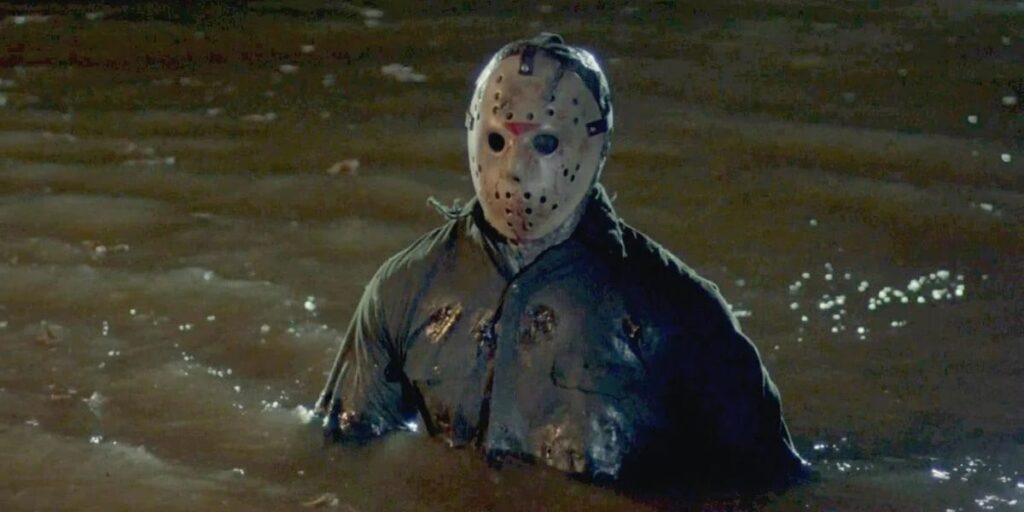
Then, out of nowhere, a young, decaying Jason Voorhees leaps out of the water to pull her under. It’s the ultimate ‘gotcha moment’ because it breaks the unwritten rule that the hero is safe once the villain is out of sight.
Even though we’ve seen dozens of movies imitate this final scare trope since 1980, the original still has a way of making you jump, mostly because of how calm the water looked just seconds before.
3. The Wardrobe Clap – The Conjuring (2013)
Sometimes, you don’t even need a monster to show its face to cause a heart attack. The Conjuring took a simple kids’ game called “Hide and Clap” and ruined it for everyone.
Carolyn, the mother, is trapped in the dark basement. She fiddles with a matchbox, hurriedly striking each of them desperately. She finally lit it and saw an inch on her face.
She lights a small match. A quiet ghost voice asks, “Want to play?” Two pale hands come from the dark near her head, clap, blowing out the flame.
It’s terrifying because it happens in such a tight, cramped space. You can’t run, you can’t see, and you’re forced to realize that whatever is in that basement is standing right behind you.
4. The Closet Flashback – The Ring (2002)
While the Ring is famous for its damp, gray mood and creepy TV screens, its best jump scare is incredibly fast. During a funeral scene, Katie’s mother delivers a speech. She talks about Katie’s good intentions before her death. Suddenly, the movie cuts to a split-second flashback of Katie’s body found in a closet.
Her face is distorted, frozen in a horrific, unnatural scream. It’s so quick that your brain almost doesn’t process it, but the image is so disturbing that it sticks with you for the rest of the night.
5. The Ceiling Crawler – Hereditary (2018)
This sequence is a slow burn that turns into a full-blown panic attack.
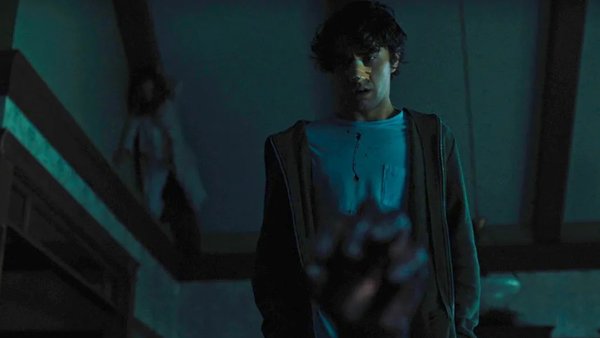
Peter lies in bed, and the room is almost pitch-black. You might find yourself squinting at the screen, trying to figure out if you’re looking at a shadow or a piece of furniture. As your eyes finally adjust, you realize his possessed mother, Annie, is pressed against the corner of the ceiling, staring down at him.
The dread spikes when Peter looks toward the doorway and spots a naked man standing in the dark, smiling at him, but the real “jump” happens when Annie suddenly drops from the wall and launches into a high-speed chase, pursuing Peter out of the room.
He scrambles into the attic for safety, but even that isn’t enough; the sound of her frantically banging her head against the wooden door is a bone-chilling sight to witness. That is the definition of a classic scare.
6. The Long Walk – The Exorcist III (1990)
This is widely considered one of the best-shot scares in movie history because of how much it tests your patience.
The camera stays in a long, wide shot of a hospital hallway. It’s quiet, boring, and totally normal. We watch a nurse go about her business, checking doors and walking back and forth for what feels like an eternity.
Just as you begin to let your guard down and assume the scene is just filler, a figure in white robes suddenly rushes out of a room behind the nurse, carrying a massive pair of surgical shears.
The camera didn’t zoom in or give us scary music to warn us; the sudden movement feels like a physical jolt to our system.
7. The Visitor at the Table – Insidious (2010)
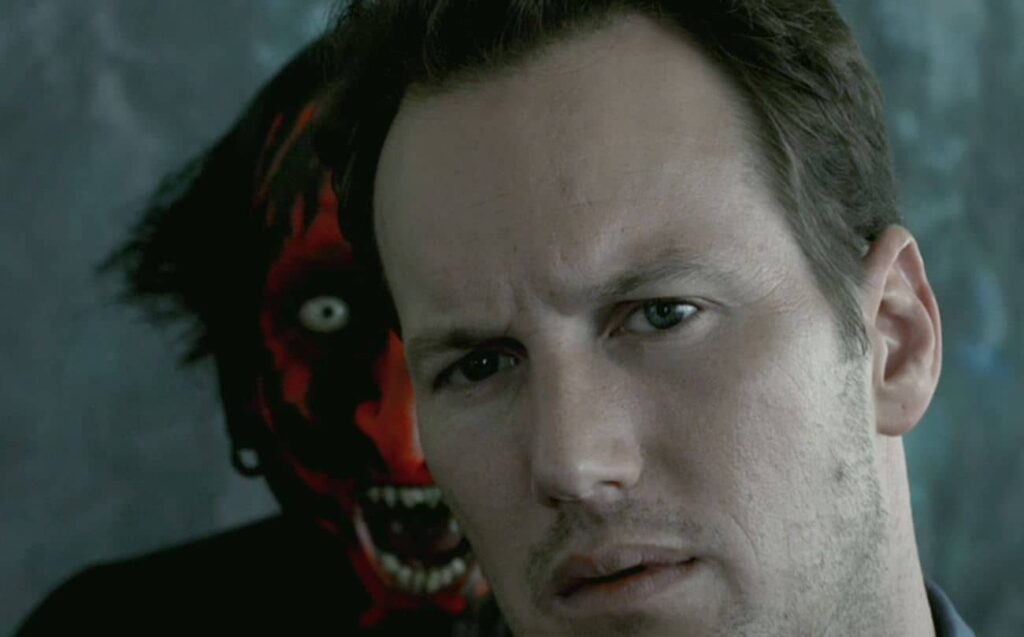
Most horror movies save their scares for the dark, but Insidious decided to ruin a good conversation during lunch. While Lorraine Lambert, Josh’s mother, recounts a terrifying dream she had the previous night, the Red-Faced Demon suddenly appears right behind Josh’s shoulder.
There was no build-up, flickering lights, or spooky basement music. It’s just there in the middle of the day. This scare works because it breaks the safety of the daylight. It tells the audience that the demon doesn’t care if the lights are on. If it wants to find you, it will!
Want to know what is worth your time? Read more LikeHorror reviews before choosing your next scary movie. Read Reviews →
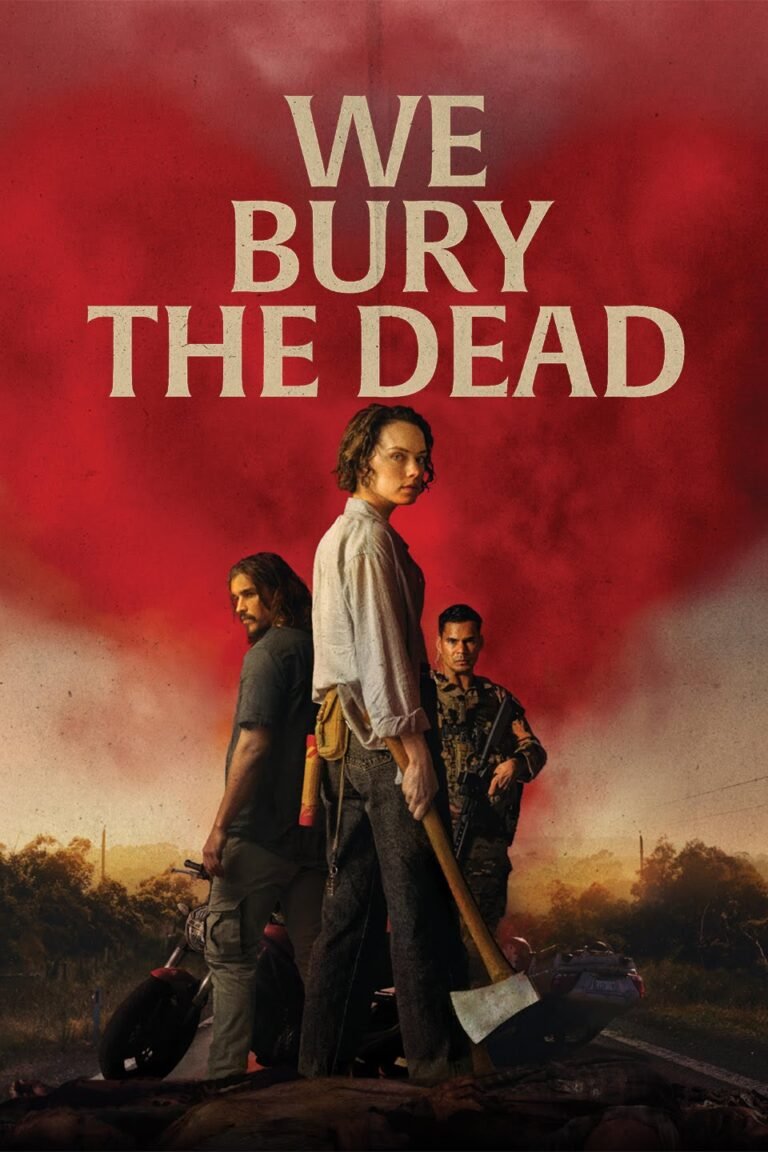
The post-apocalyptic zombie film We Bury the Dead, which opened widely on 2 January 2026, has suffered a severe tumble in its second weekend at the box office, marking one of the steepest declines recorded for a new release this year.
According to recent box office reports, We Bury the Dead experienced an 85.1 % drop in ticket sales during its second weekend in North America, falling from $2.5 million in its opening weekend to just $371,885 across roughly 851 theaters. That decline places the film among the seventh-worst second-weekend drops ever for a non-re-release, a surprising turn given its strong early critical reception and positive Rotten Tomatoes score.
Industry analysts believe the sharp box office fall was influenced both by stiff competition from other horror releases and a rapid reduction in theater count, with the film losing 321 locations versus its opening frame. Despite the drop, We Bury the Dead still holds a Certified Fresh rating, reflecting sustained critical praise even as audiences have shifted their viewing habits.
The film’s theatrical performance comes amid a packed January slate that has kept genre fans busy. Earlier this week saw the debut of Primate, a killer-chimp creature feature that opened on 9 January and has garnered its own buzz among horror circles. January’s upcoming highlights include the zombie sequel 28 Years Later: The Bone Temple on 16 January and the survival horror adaptation Return to Silent Hill slated for 23 January.
Despite the unexpected box office stumble, We Bury the Dead’s strong reviews and festival pedigree, along with its thematic depth, suggest that the film may continue finding an audience through word of mouth and upcoming streaming windows.
For horror fans tracking the genre’s early-year performance, this latest box office story underscores how even well-reviewed movies can be hit or miss financially, especially in a crowded release calendar.
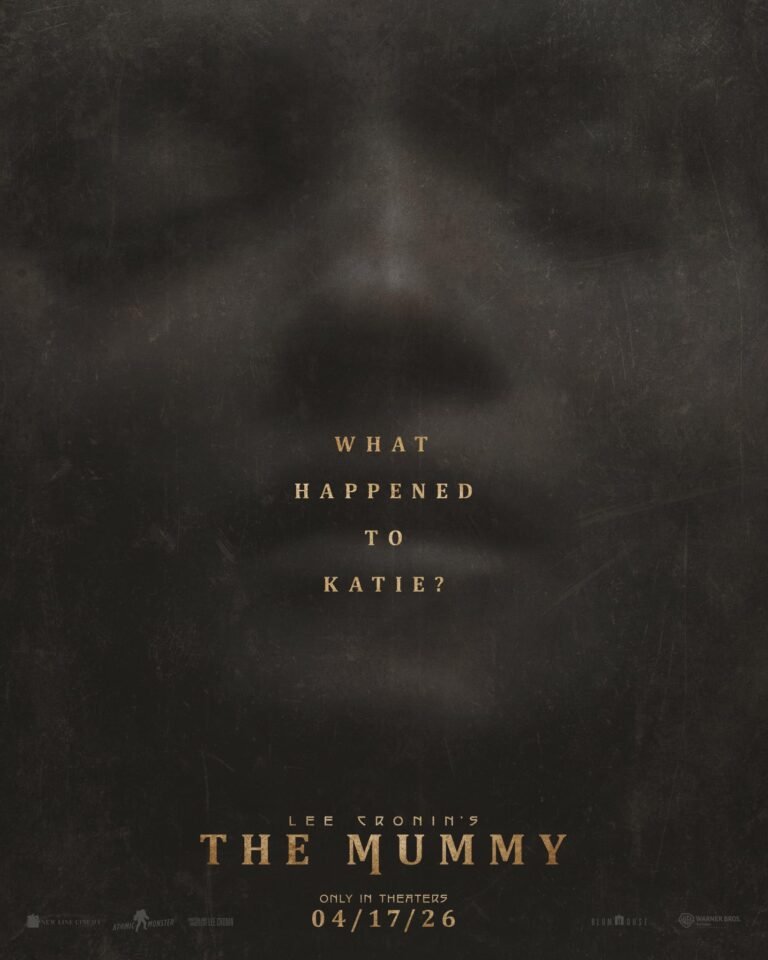
Fans of supernatural horror have a chilling new entry to look forward to this spring as the first teaser trailer for Lee Cronin’s The Mummy has officially arrived, offering a darkly unsettling update to the classic monster tale. The film, directed and written by Lee Cronin, known for Evil Dead Rise and The Hole in the Ground, is shaping up to be one of 2026’s most eagerly anticipated horror movies.
Warner Bros., in partnership with Blumhouse Productions, Atomic Monster, and Cronin’s own production banner, Wicked/Good, dropped the teaser and poster for the film this week. The eerie first look abandons the globe-trotting adventure tone of previous Mummy movies in favor of a twisted, visceral horror experience that focuses firmly on dread and psychological terror.
The story follows a journalist whose young daughter vanished in the desert without a trace, only to return eight years later, but not as the joyful reunion the family hoped for. What comes back with her seems decidedly wrong and horrifying, hinting at a curse or ancient evil far more disturbing than a simple resurrection.
The teaser trailer sets the tone with brooding visuals, dark shadows, chilling chanting, glimpses of mummified remains, and even insects crawling from corpses, suggesting Cronin’s version of the mummy blends supernatural terror with body horror elements in a way that’s far removed from earlier franchise incarnations.
The cast features a strong ensemble including Jack Reynor (Midsommar) and Laia Costa (The Wheel of Time) as the parents at the center of the mystery, along with May Calamawy, Verónica Falcón, May Elghety, Natalie Grace, Shylo Molina, Billie Roy, and Hayat Kamille in supporting roles.
Lee Cronin’s The Mummy is scheduled to hit theaters in the United States on April 17, 2026, with some international releases beginning as early as April 16. This edition of The Mummy is not connected to the Brendan Fraser films or the rumored Mummy 4 project, but stands as a distinct horror reboot aiming to reinvent the mythos for a modern audience.
With its atmospheric teaser, intense visual style, and Cronin’s reputation for terrifying storytelling, The Mummy could redefine what audiences expect from the classic monster genre, turning an ancient legend into a deeply unsettling psychological nightmare.
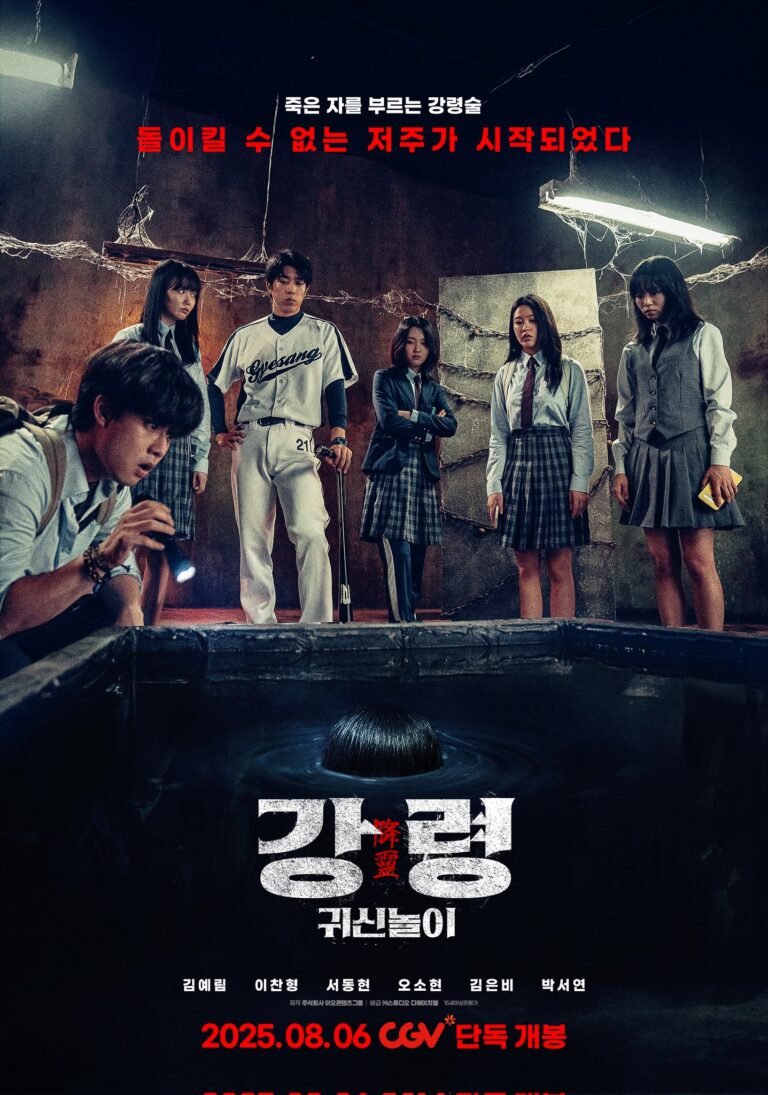
International horror fans have a new title to watch closely. The South Korean horror anthology Ghost Train has officially released its first trailer, offering a haunting preview of the twisted tales that unfold aboard its supernatural setting. The film is scheduled to arrive digitally on February 17, 2026, through Well Go USA, bringing one of 2025’s most acclaimed international horror entries to a wider audience.
Ghost Train, the anthology format weaves multiple horror stories together under the eerie premise of a mysterious train, where passengers encounter disturbing phenomena that blur the line between the living and the dead.
The newly released trailer teases a series of unsettling scenarios, including shadowy figures, cursed encounters, and an atmosphere thick with dread. Each segment appears to explore a different facet of fear, ranging from psychological horror to supernatural terror, while remaining anchored to the claustrophobic setting of the train itself. The anthology structure allows the film to experiment with tone and storytelling, a hallmark of many standout Korean horror productions.
South Korean cinema has built a strong global reputation for blending emotional depth with genre innovation, and Ghost Train looks to continue that tradition. Early reactions have praised the film’s moody visuals, effective scares, and ability to deliver impactful horror in short, tightly constructed segments, a style that has resonated with fans of anthology series like V/H/S and Creepshow.
With its digital release just weeks away, Ghost Train is shaping up to be a must-watch for horror fans seeking fresh international scares in early 2026. As interest in global horror continues to grow, the film’s upcoming release marks another strong entry in a genre that thrives on new perspectives and unsettling storytelling.
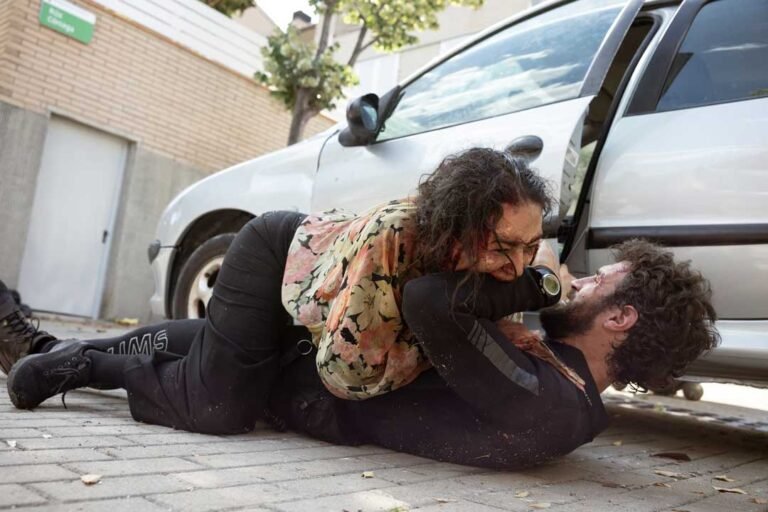
The silence of a dying world is often louder than the screams. In Apocalypse Z: The Beginning of the End, the end of civilization doesn’t arrive with a bang, but with a slow, suffocating chokehold that turns neighbors into predators and safe havens into traps.
Director Carles Torrens invites us into a vision of Spain where the picturesque landscapes of Galicia become a claustrophobic cage. This isn’t just about outrunning the infected; it’s about outrunning the grief that paralyzed you long before the first bite was ever taken.
In a genre crowded with rotting corpses, this film attempts to carve out space by asking a simple question: when the world goes quiet, do you have enough noise left in your soul to keep moving?
Manel is a man already living in a ghost town of his own making. Still reeling from the tragic death of his wife, he has barricaded himself physically and emotionally in his home, with only his cat, Lúculo, for company.
While the rest of the world panics over a new, aggressive strain of a rabies-like virus called TSJ, Manel watches from the sidelines, convinced that his isolation is his armor. But isolation is a luxury that the apocalypse does not permit for long.
When his sister begs him to join her in the Canary Islands, a supposed sanctuary from the infection, Manel is forced to abandon his fortress. What follows is a harrowing odyssey across a fractured country, where the roads are clogged with the dead and the waterways teeming with desperate souls.
Armed with makeshift gear and fiercely. As he pushes toward a reunion that seems increasingly impossible, Manel learns that in a world stripped of laws, the only rule that matters is that you never stop moving.
✅ What Works
The Feline Emotional Anchor: The inclusion of Lúculo the cat is a masterstroke of tension. By tethering the protagonist’s humanity to a vulnerable animal rather than a child or another adult, the film creates a unique brand of anxiety.
Grounded Depiction of Collapse: The movie excels at portraying the procedural breakdown of society. The film leans into the uncomfortable familiarity of lockdowns, panic buying, and the slow cessation of public services, making the initial descent into chaos feel disturbingly realistic and relatable.
Atmospheric Isolation: The setting of Galicia offers a refreshing visual palette. Instead of the usual burning American metropolises, we get gray, rainy coastal roads and silent, lush greenery that contrasts sharply with the violence, enhancing the feeling of loneliness.
Resource-Based Tension: The film effectively utilizes the survivalist aspect of the genre. Watching Manel craft armor from magazines or scrounge for diving equipment adds a tactile, “MacGyver-esque” layer to the action that feels earned rather than superheroic.
❌ Where It Falls Short
Derivative Zombie Lore: The “infected” here are the standard-issue, fast-running rage monsters popularized two decades ago.
Predictable Human Antagonists: The introduction of the “evil humans” subplot in the second half feels inevitable and weary.
Uneven Pacing: After a strong, slow-burning opening, the third act rushes into a series of action set pieces that feel disjointed.
A “To Be Continued” Frustration: The film suffers from “Part One Syndrome.” The ending serves more as a bridge to a sequel than a satisfying conclusion to Manel’s immediate arc, leaving the viewer hanging on a cliff that feels constructed by a marketing team rather than a storyteller.
⚖️ Final Verdict 3/5
Apocalypse Z: The Beginning of the End is a competent, if slightly by-the-numbers, entry into the survival horror canon. It’s a film that will scratch the itch for zombie completionists and offers enough polish to be entertaining, but it lacks the bite to leave a lasting scar. Watch it for the atmosphere and the cat; just don’t expect it to rewrite the rules of the apocalypse.