
Return to Silent Hill Gears Up for Theatrical Launch This Month- Full Franchise Revival Begins

0

The eerie fog is poised to return to theaters this month as Return to Silent Hill, the highly anticipated new installment in the cult horror franchise, prepares for its wide release on 23 January 2026. The upcoming film, directed by Christophe Gans, who previously helmed the original Silent Hill adaptation, is based on the iconic Silent Hill 2 video game and marks a fresh attempt to bring the unsettling world of Silent Hill back to the big screen. 

Earlier coverage confirms that Return to Silent Hill has been secured for theatrical distribution through Cineverse and Bloody Disgusting’s joint release strategy, giving fans of atmospheric horror a definitive date to look forward to. 

The story follows protagonist James Sunderland as he returns to the abandoned, fog-shrouded town after receiving a mysterious letter from his long-lost love, Mary. Once there, James confronts a host of nightmarish creatures and terrifying revelations that threaten both his sanity and the fragile hope of finding her. 

Long-time franchise composer Akira Yamaoka is also involved with the soundtrack, a detail that has excited fans familiar with the original game’s haunting atmosphere, with the film’s score incorporating the familiar sonic elements that helped define the game’s dread-laden identity. 

Silent Hill devotees and horror buffs alike are closely watching how the film will balance faithful adaptation with cinematic innovation. Early promotional materials and international posters highlight a return to the unsettling visuals fans expect, fog-choked streets, grotesque monster designs, and psychological tension rooted in the franchise’s legacy. 

With its January theatrical date confirmed, Return to Silent Hill aims not only to satisfy existing franchise loyalists but also to introduce new audiences to the terrifying depths of Silent Hill’s mythology. The film’s release kicks off what many expect to be a robust year for horror on both the big and small screens.

The town is waiting.

The fog rises again.

And nightmares return to theaters this month.

The Duffer Brothers’ The Talisman Series Officially Dead at Netflix

0

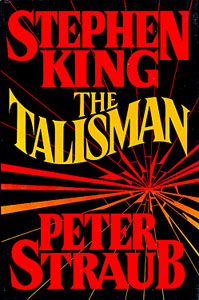
After years of anticipation, the long-awaited adaptation of Stephen King and Peter Straub’s The Talisman has officially been shelved. The project, which was being developed by Stranger Things creators Matt and Ross Duffer, is no longer moving forward at Netflix.

The news comes as a disappointment to fans who had hoped to see the beloved fantasy-horror novel brought to life by the creative team behind one of Netflix’s most successful genre series. First announced several years ago, The Talisman was positioned as a major long-term project that would adapt King and Straub’s epic story of a young boy traveling between worlds to save his dying mother.

Despite early excitement and strong creative backing, the adaptation ultimately stalled amid shifting priorities and changes within the streaming landscape. The Duffer Brothers have now confirmed that the project is no longer in active development, effectively ending hopes of seeing the story realized under Netflix’s banner.

Originally published in 1984, The Talisman has long been regarded as one of Stephen King’s most imaginative works, blending dark fantasy, horror, and coming-of-age storytelling. The novel follows twelve-year-old Jack Sawyer as he travels between parallel worlds, encountering monstrous threats and powerful allies in a quest that has captivated readers for decades.

The cancellation is particularly notable given that Stephen King has previously expressed interest in expanding the universe, including discussions around a potential third book following The Talisman and Black House. While the literary world surrounding the story may continue to grow, its long-awaited screen adaptation now appears to be on indefinite hold.

This development also reflects broader shifts within the streaming industry, as platforms reassess large-scale fantasy and genre projects amid changing budgets and viewing strategies. While disappointing, the news has not dampened enthusiasm for future Stephen King adaptations, many of which remain in active development across film and television.

For now, The Talisman remains one of horror literature’s most iconic unrealized screen adaptations, a story still waiting for its moment beyond the page.

Candyman (2021)

0

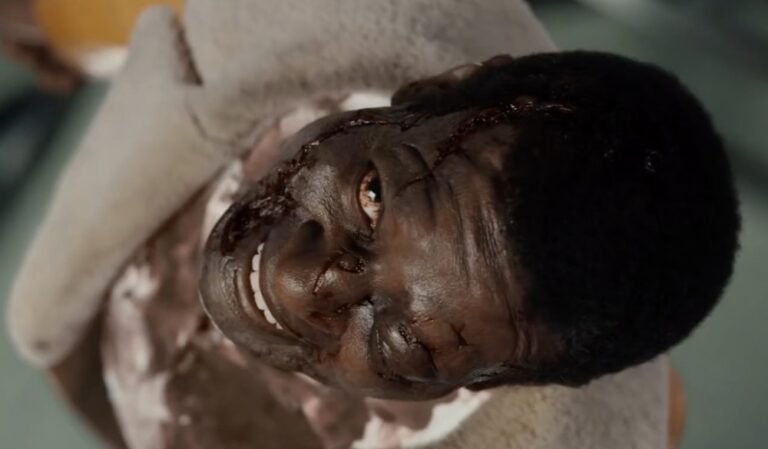
Dare you say it? The legend that haunted the hallways of Cabrini-Green has returned, and this time, the reflection is more terrifying than the hook itself. In this bold reimagining of the classic urban legend, the horror doesn’t just jump out from the shadows, it bleeds through the very walls of a gentrified city trying desperately to bury its past.

The story centers on a talented visual artist who, in a desperate search for creative inspiration, moves into a luxury loft built atop the hollowed-out remains of Chicago’s infamous Cabrini-Green housing projects. What begins as a curious exploration of local folklore quickly spirals into a macabre obsession.

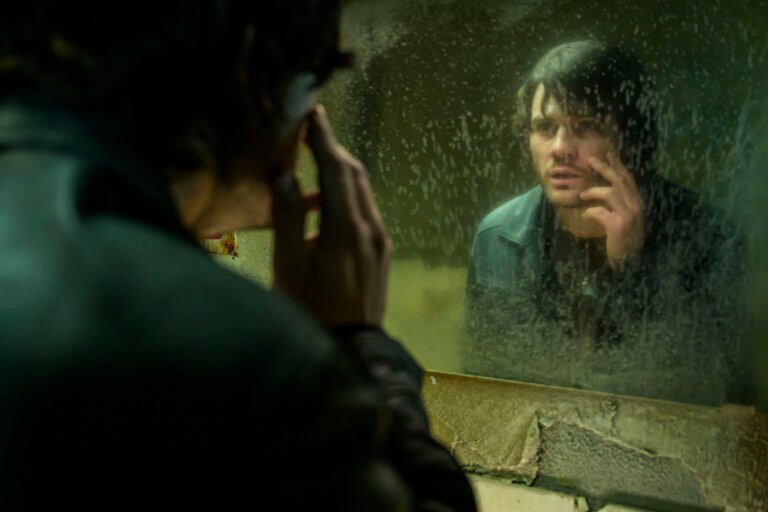
After a chance encounter with a resident who remembers the “real” horrors of the neighborhood, the artist discovers the legend of a hook-handed specter summoned by repeating a name five times into a mirror.

The story masterfully weaves the past into the present, revealing that the “Candyman” is not just a singular monster, but a cycle of violence that demands a new vessel.

✅ What Works

The Evolutionary Mythology: The narrative brilliantly expands the lore by introducing the “Hive” concept. Rather than sticking to a singular villain, the story posits that the legend is a recurring manifestation of collective trauma, making the horror feel grander, more systemic, and infinitely more inevitable.

Visual Storytelling Through Puppetry: One of the most inspired narrative choices is the use of shadow puppetry to recount the history of the legend. This stylistic device allows the film to convey brutal historical acts with a haunting, fairytale-like quality that heightens the psychological weight of the story without relying on traditional flashbacks.

Creative Kill Mechanics: The narrative utilizes mirrors and reflective surfaces in ingenious ways. By having the horror occur within the reflection while the “real” world remains eerily still, the story creates a unique sense of vulnerability that makes every mirror on screen feel like a ticking time bomb.

A High-Stakes Transformation: The body-horror elements are expertly integrated into the plot, representing the artist’s loss of self as he is consumed by the myth. This physical decay serves as a perfect metaphor for the story’s themes of being reclaimed by a history you thought you could merely “observe.”

❌ Where It Falls Short

A Rushed Third Act: While the build-up is meticulous and atmospheric, the climax feels hurried. The narrative introduces complex new plot threads and a secondary antagonist late in the game, leading to a resolution that feels slightly chaotic compared to the measured pacing of the first two acts.

Exposition-Heavy Dialogue: At times, the story loses its “show, don’t tell” momentum. Certain sections rely on characters explicitly stating the film’s themes and social critiques out loud, which can occasionally pull the viewer out of the immersive, suspenseful atmosphere the visuals worked so hard to build.

The Slasher vs. Symbolic Conflict: The narrative occasionally struggles to balance being a traditional “slasher” with being a “social allegory.” Some of the kills feel disconnected from the main arc, serving more as a quota for the genre rather than moving the central mystery forward.

⚖️ Final Verdict 4/5

Candyman (2021) is a sophisticated, visually stunning entry into the pantheon of modern horror. It succeeds by refusing to simply repeat the past, instead choosing to dismantle and rebuild its own legend for a new generation.

By shifting the focus from a singular boogeyman to a sprawling, historical “hive” of injustice, the story transforms a simple urban legend into a powerful, multi-layered thriller.

‘We Bury the Dead’ Emerges as a Haunting New Zombie Thriller Ahead of January Release

0

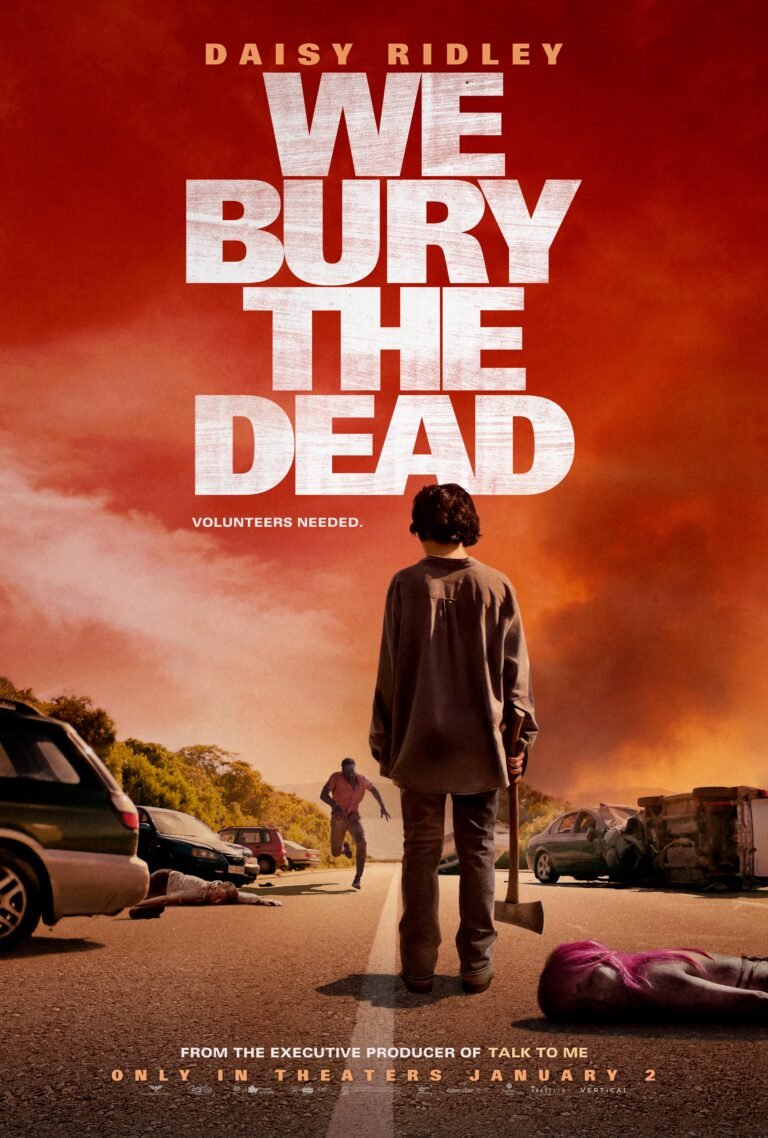
A chilling new chapter in zombie cinema is set to begin as We Bury the Dead prepares for its theatrical release early next year. Directed by Zak Hilditch, the upcoming horror film is already generating attention following early critical reactions that praise its emotional depth and somber atmosphere.

The film takes place in the aftermath of a devastating government weapons test that wipes out much of the population on a remote island off the coast of Tasmania. What follows is not a traditional zombie outbreak, but a slow, unsettling reckoning as the dead begin to rise, not as mindless monsters, but as haunting reminders of loss, grief, and unfinished trauma.

Rather than relying solely on action or gore, We Bury the Dead leans heavily into emotional storytelling. The film explores how survivors attempt to cope with unimaginable loss while navigating a world where death refuses to stay buried. This psychological approach sets it apart from more conventional zombie films, offering a quieter but deeply affecting experience.

Actor Mark Coles Smith delivers one of the film’s most powerful performances, anchoring the emotional weight of the story. According to early reactions, his portrayal brings humanity and vulnerability to a genre often dominated by spectacle. While some viewers may find the film’s conclusion understated, critics note that its emotional resonance lingers long after the final scene.

The film is scheduled to arrive in theaters on January 2, 2026, positioning it as one of the first major horror releases of the new year. With its haunting tone, reflective storytelling, and grounded approach to the undead, We Bury the Dead is already being seen as a thoughtful evolution of the zombie genre.

For horror fans seeking something atmospheric, emotional, and quietly devastating, this film promises a haunting start to 2026.

Horror Mockumentary Strange Harvest Arrives on Hulu, Blending True Crime and Terror

0

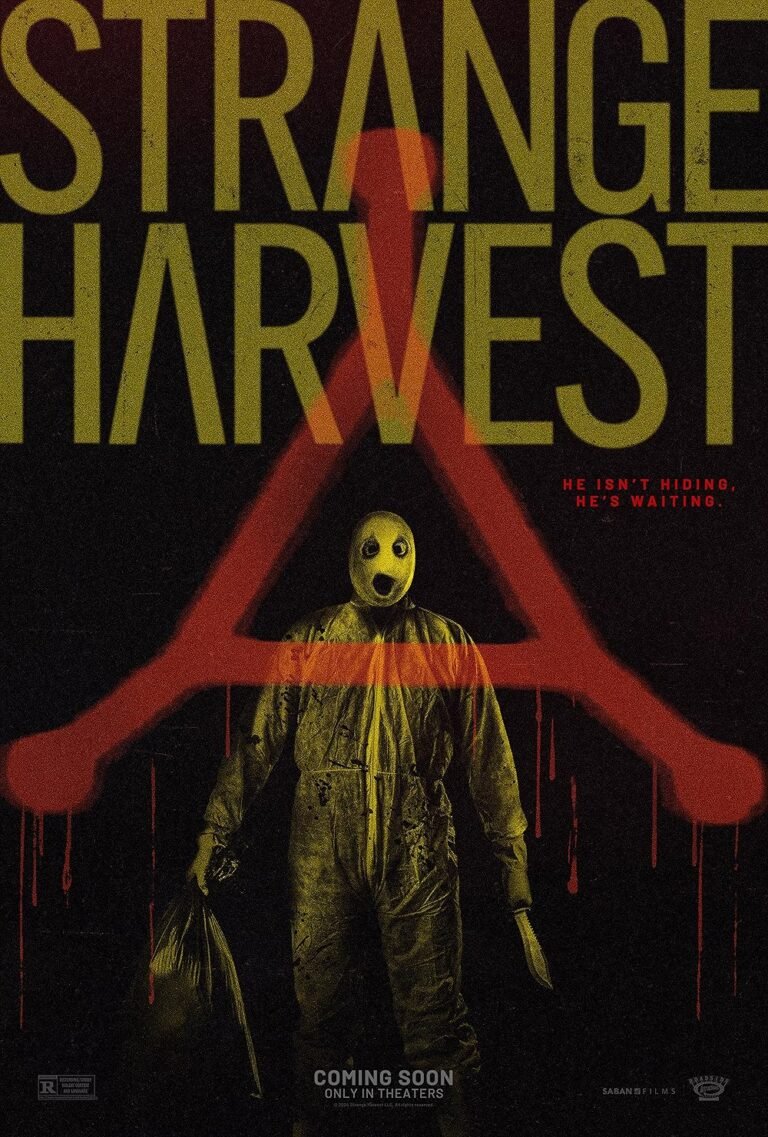
A chilling new entry has joined the horror streaming lineup just in time for the end of the year. The mockumentary horror film Strange Harvest is now streaming on Hulu, offering audiences a darkly inventive take on true-crime storytelling mixed with unsettling horror elements.

Directed by Stuart Ortiz, Strange Harvest presents itself as a documentary chronicling a series of disturbing murders connected to a mysterious figure known as “Mr. Shiny.” The story unfolds through faux archival footage, police body-cam recordings, interviews, and investigative recreations, giving the film a disturbingly authentic feel. The narrative follows law enforcement and witnesses as they attempt to piece together a trail of ritualistic killings tied to occult symbolism and unexplained phenomena.

Unlike traditional horror films, Strange Harvest leans heavily into its mockumentary format, using realism and documentary pacing to blur the line between fiction and fact. The approach allows the story to build unease gradually, drawing viewers into an unsettling world that mirrors real true-crime storytelling, while quietly subverting it.

Performances, particularly from Terri Apple, ground the film emotionally, adding credibility to the fictional investigation and enhancing the disturbing nature of the unfolding events. Rather than relying on jump scares, the film leans into psychological tension, eerie imagery, and the discomfort of witnessing something that feels uncomfortably real.

Critics have noted that Strange Harvest works especially well for viewers who enjoy genre experiments and unconventional horror narratives. By combining satire, social commentary, and atmospheric dread, the film stands apart from traditional slashers or supernatural thrillers.

Now streaming on Hulu, Strange Harvest offers horror fans something different, a slow-burning, documentary-style descent into fear that challenges how audiences consume stories of violence and obsession.

For those looking to end the year with something unsettling, smart, and unexpected, this mockumentary may be the perfect late-night watch.

‘Anaconda’ Slithers Back to Theaters This Christmas With a Horror-Comedy Twist

0

The iconic killer snake is back, and this time, it’s bringing laughs along with the screams.

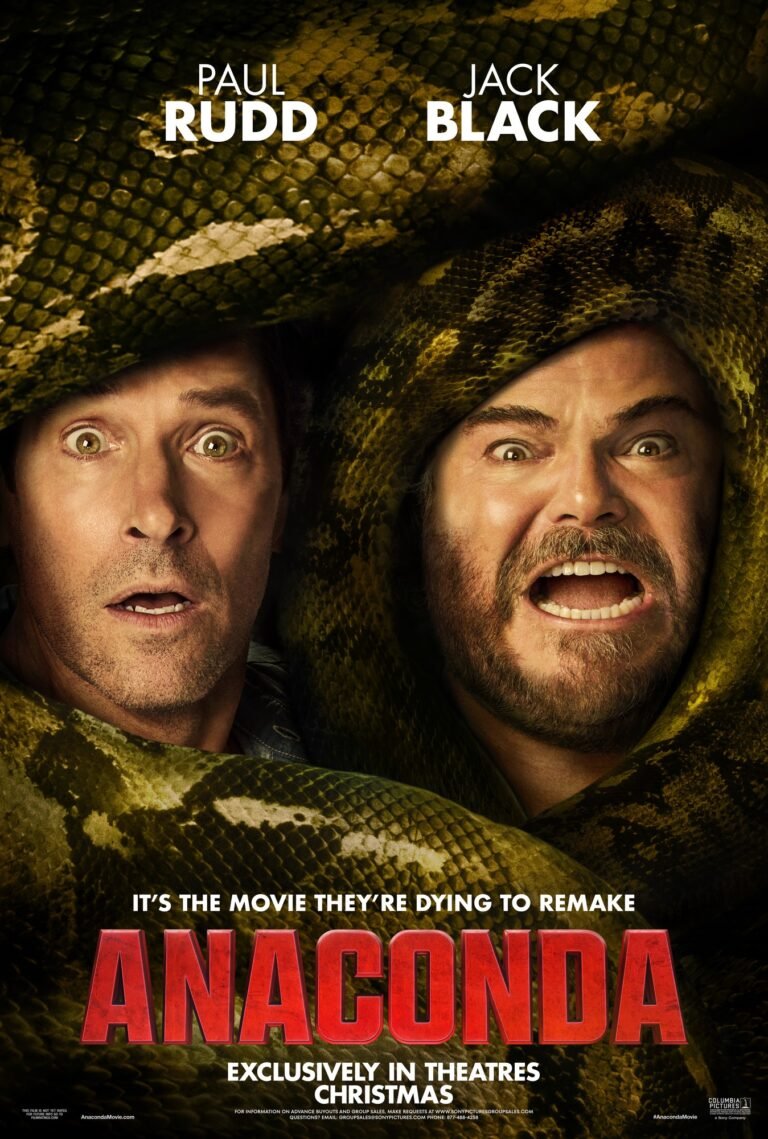
The new horror-comedy Anaconda officially premiered in theaters today, December 25, marking a bold and unexpected return for the classic creature franchise. Starring Jack Black and Paul Rudd, the film reinvents the 1997 cult favorite with a fresh tone that blends creature-feature thrills with self-aware comedy.

Directed by Tom Gormican, the film follows a group of unlikely adventurers who find themselves trapped in a dangerous jungle encounter with a massive, deadly anaconda. Unlike previous versions, this reboot leans heavily into humor while still honoring the suspense and survival elements that made the original film a cult hit.

Early reactions highlight the playful chemistry between Black and Rudd, whose comedic timing helps balance the film’s monster-movie chaos. While the film embraces humor, it still delivers moments of tension and spectacle, positioning itself as a fun holiday alternative for audiences looking for something different than traditional seasonal releases.

The film’s Christmas Day release places it among a growing lineup of horror and genre titles using the holiday window to reach audiences eager for unconventional entertainment. According to early reactions and listings, Anaconda has already begun drawing attention for its energetic tone and nostalgic appeal.

This latest installment joins a wave of horror projects redefining the genre in 2025, blending comedy, spectacle, and classic creature thrills into crowd-pleasing experiences. Whether audiences are drawn in by nostalgia or curiosity, Anaconda is positioning itself as a bold, lighthearted addition to this year’s holiday movie slate.

For fans of creature features, horror comedies, or simply watching Jack Black and Paul Rudd face off against a giant snake, Anaconda offers a wild cinematic ride, just in time for Christmas.