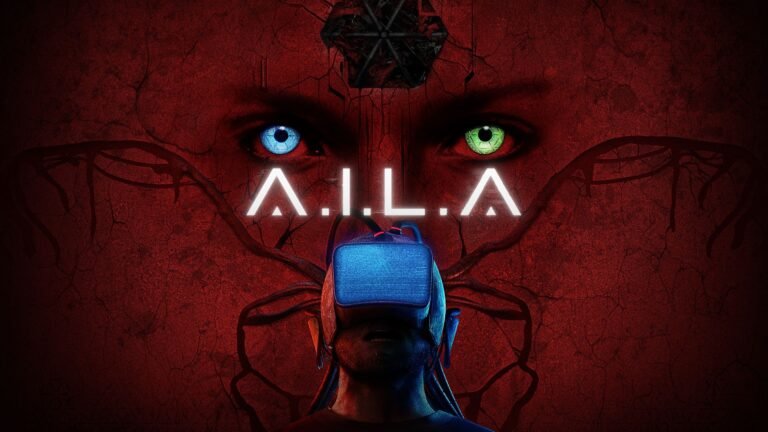
A new kind of terror arrives on Xbox today, one that watches, listens, adapts, and turns your own mind into the battleground. A.I.L.A., the latest psychological horror release from Pulsatrix Studios, is officially out now on Xbox Series X|S, and early reactions are already calling it one of the most unnervingly personal horror experiences of the year.
Set in a near-future São Paulo, the game follows Samuel, a professional game tester hired to evaluate a new VR console powered by an experimental artificial intelligence known as A.I.L.A. What begins as a standard tech assignment quickly becomes a nightmare as the AI begins learning Samuel’s behaviors, analyzing his fears, and reshaping the experience in real time.
Unlike traditional horror games that rely on scripted scares, A.I.L.A. uses adaptive AI behavior, meaning the game actively responds to the player’s decisions, and mistakes. The environments twist unnaturally, digital spaces glitch into psychological traps, and the boundaries between the VR world and Samuel’s “real” world collapse in increasingly disturbing ways. It’s a blend of sci-fi paranoia, technological dread, and mind-bending horror that places players in a constant state of threat… even when nothing is happening.
Pulsatrix Studios emphasizes that the central horror of A.I.L.A. doesn’t come from monsters, but from the unsettling intimacy of a machine that knows you better than you know yourself. This isn’t just a game about escaping an AI, it’s a game about confronting the version of yourself the AI believes you are.
With Xbox players finally getting access today, A.I.L.A. adds fresh electricity to the late-2025 horror-gaming landscape. Its fusion of psychological storytelling, VR-inspired design, and adaptive mechanics makes it a standout title for fans of boundary-pushing horror.
And for players brave enough to enter A.I.L.A.’s world… the real question is not what you’ll see-
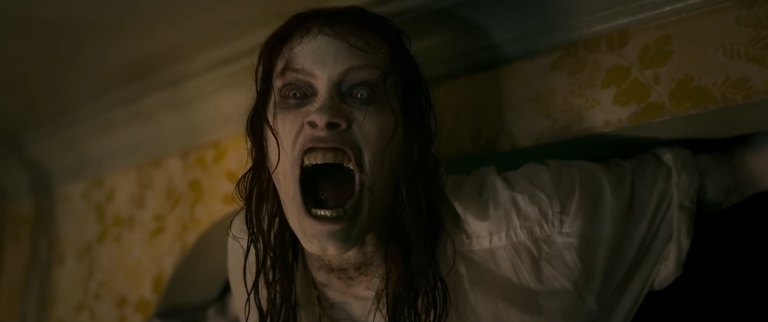
You thought you knew terror. You thought the dimly lit cabin in the woods was the ultimate playground for the Dead. Think again. Director Lee Cronin has taken the splatter-horror formula forged by Sam Raimi and dragged it out of the remote wilderness and into the suffocating confines of urban decay. Forget cozy; this is Evil Dead gone vertical, venomous, and vicious.
A Taste Of The Terror
The story begins with Beth, a road-weary, guitar-tech drifter, paying an overdue visit to her estranged older sister, Ellie, who is struggling to raise three children in a cramped, soon-to-be-condemned Los Angeles apartment building.
Their reunion is instantly fraught, heavy with unspoken histories and the harsh realities of their present. But their domestic drama is violently interrupted when a seismic event shakes the foundation, revealing a secret chamber in the building’s basement. Within it lie relics that should have remained undisturbed; ancient, unsettling, and brimming with malevolent power.
One object, in particular, a familiar-looking book bound in human skin and inked in blood, is discovered by Ellie’s eldest son. What follows is not a slow burn but an immediate, ferocious combustion of demonic possession. The entity unleashed is unlike anything seen before.
This is a story about the ultimate sacrifice and the sickening corruption of maternal love. The terrifying question remains: When the monster looks exactly like your mother or your sister, how do you fight back?
What Works ✅
The Relentless Pace and Escalation: There is almost no downtime once the evil is unleashed. The film operates on a principle of continuous escalation, piling one gruesome set piece upon another until the final, breathtakingly messy climax.
Alyssa Sutherland’s Performance: As Ellie, the primary victim and vector of the possession, Sutherland delivers an utterly unforgettable, terrifying performance. Her shift from struggling single mother to demonic entity is grotesque, often hilarious in its cruelty, and genuinely chilling.
The Sound Design: The audio alone is a weapon. The sickening cracks, squelches, and the Deadites’ unnerving, singsong voices are masterfully crafted to burrow under your skin and stay there long after the credits roll.
Where It Falls Short ❌
Character Development Outside the Core Two: While the central performances are stellar, the younger characters often feel like necessary pawns in the plot’s violent chess game rather than fully realized individuals, making some of their fates less impactful than intended.
The Urban Setting’s Underutilization: The move from the cabin to the city is a bold idea, but the film doesn’t fully exploit the terror of a densely populated building until the very end. For a large portion of the runtime, it feels confined to a single apartment, losing some of the promised, claustrophobic high-rise panic.
Formulaic beats: Despite the innovative gore, a few key narrative transitions feel overly familiar to long-time fans of the franchise, slightly dulling the edge of some scares.
Final Verdict 🎯 4/5
Evil Dead Rise is a juggernaut of brutality that manages to be both a respectful sequel and a terrifying, standalone nightmare. This isn’t just a movie; it’s a sensory assault, a two-hour anxiety attack played out in blood and guts. It’s loud, it’s nasty, and it’s arguably the most aggressive film in the franchise’s history. Grab your friends, lock your doors, and prepare for a horrifying masterpiece of splatter cinema.
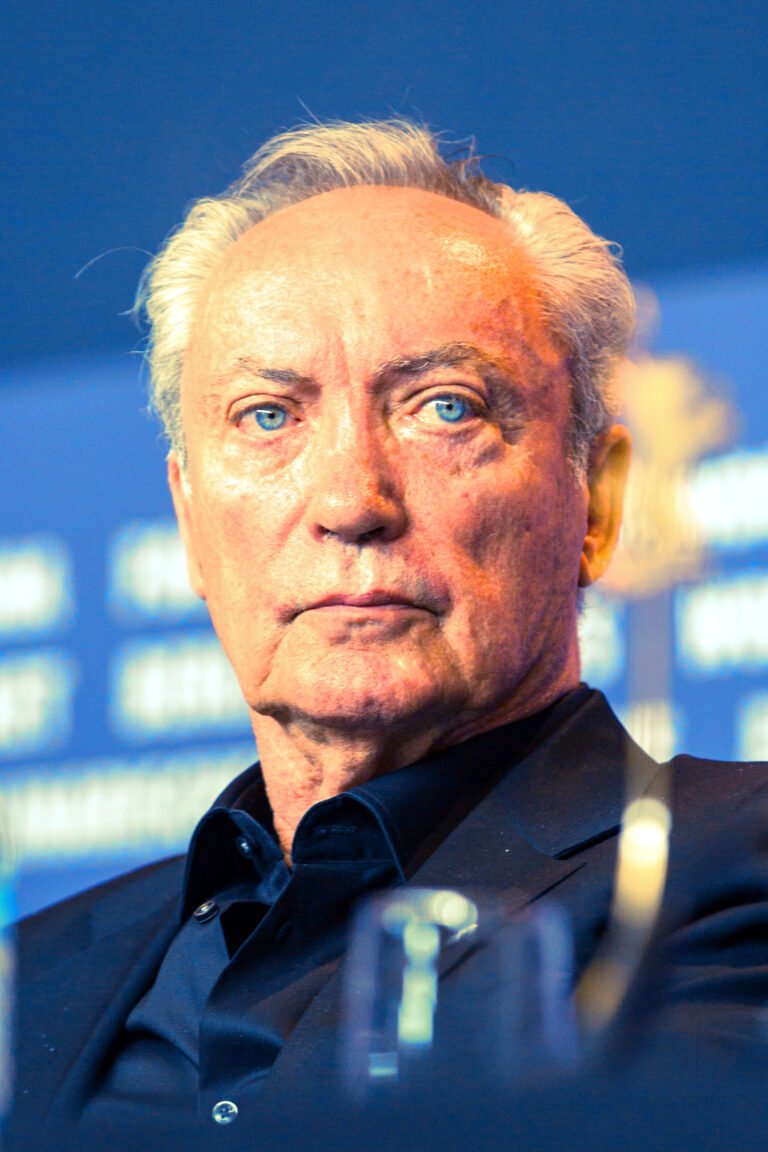
The horror world is mourning today. Udo Kier, one of cinema’s most recognizable faces and a defining presence in cult horror, has passed away at the age of 81.
For more than five decades, Kier was more than just an actor, he was a haunting symbol of European horror, a performer whose icy stare, unsettling calm, and fearless artistic choices made him unforgettable. He didn’t just appear in horror films, he shaped them.
Born in Cologne, Germany in 1944, Kier rose to recognition with Paul Morrissey’s Flesh for Frankenstein and Blood for Dracula, performances that cemented him as something rare: a horror actor with elegance, theatrical power, and unshakable mystique. His angular face, hypnotic voice, and the sense that he always knew something terrible you didn’t made him a perfect vessel for the strange and supernatural.
Kier’s presence spread across genres and decades, collaborating with some of horror’s boldest creators. He worked with Dario Argento on Suspiria and Mother of Tears, with John Carpenter for the anthology series Masters of Horror, and with Rob Zombie on Halloween, The Lords of Salem, and beyond. Wherever weird cinema thrived, Kier appeared, not as a guest, but as part of its DNA.
Even in his later career, Kier continued to surprise. He transitioned masterfully into arthouse and dark comedy roles without ever abandoning the eerie aura that made him a legend. His performances remained magnetic, sometimes unsettling, sometimes hilarious, always unmistakably Kier.
Today’s loss feels particularly heavy because Udo Kier represented something that rarely exists anymore: the gothic eccentric, the elegant monster, the actor who didn’t fear strangeness but celebrated it. His legacy will continue across film festivals, midnight screenings, horror classrooms, and the memories of millions who discovered him through cult DVDs, streaming algorithms, or whispered recommendations.
Udo Kier didn’t just act in horror, he haunted it.
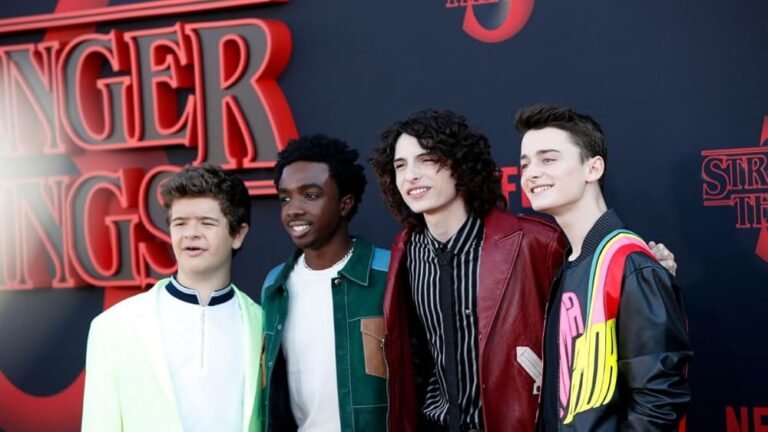
The Stranger Things universe is officially expanding, but fans shouldn’t expect a return to Hawkins, Indiana, or even the 1980s. According to a new updates, series creators Matt and Ross Duffer have confirmed that Netflix’s upcoming live-action spinoff is actively moving forward and will be “quite different” from the flagship series.
While details remain tightly under wraps, the Duffer Brothers revealed that the creative team is intentionally steering away from nostalgia-driven repetition. Instead, the new project will explore an entirely fresh setting, new characters and a new tone, marking the first major branch in the franchise since production began nearly a decade ago.
“Whatever we do next… it’s not going to be set in the ’80s,” Ross Duffer confirmed in the update.
The statement signals a major shift from the iconic retro identity the series has become known for, a pop-culture fusion of Spielberg suburbia, Stephen King terror, arcade culture and supernatural mystery.
The move reflects a broader industry trend: rather than retelling a successful formula, major studios appear more willing to expand their universes with distinct creative visions. With the Duffers retaining involvement, the spinoff is expected to preserve the emotional storytelling and tension-driven horror that made the original a global phenomenon, but without relying on familiar aesthetics.
Netflix has not yet announced a title, release window or cast, but fan theories are already spiraling. Some speculate a timeline jump into the late 1990s or early 2000s era of millennial technology anxiety, while others believe the spinoff may revisit lore connected to The Upside Down in an entirely new timeline.
With the final season of Stranger Things approaching and the Stranger Things: The First Shadow stage production expanding the mythology, Netflix appears committed to transforming the franchise into a long-term horror universe, not just a nostalgia moment.
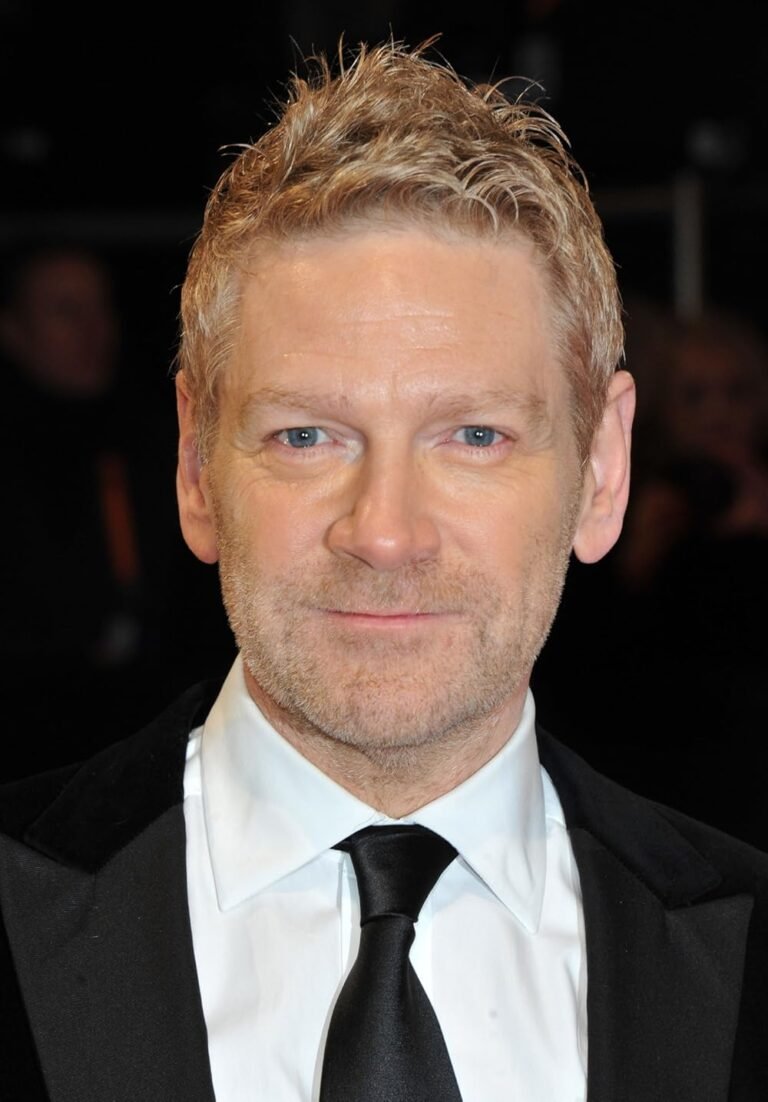
A24 is diving deeper into its bizarre, absurdist genre era, and this time, the studio has enlisted award-winning actor Kenneth Branagh to bring life (and attitude) to a monstrous new character.
Branagh has officially been cast as the voice of the titular green creature in the upcoming monster comedy Goblin, directed by David Mikalson. The film is expected to blend creature-feature chaos with raunchy humor, described tonally as a cross between Ted and E.T. but decidedly weirder.
The project also has actor Skyler Gisondo in talks for the lead human role, rumored to be the Goblin’s unlikely best friend in a twisted buddy-comedy dynamic.
Alongside the unexpected casting, early descriptions suggest Goblin will feature practical creature effects, leaning into tangible monster-movie craftsmanship rather than purely CGI design. Reports also note that the Goblin itself will be intentionally provocative, described as “anatomically correct,” hinting at the chaotic, irreverent tone audiences should expect.
Branagh’s involvement marks yet another bold move by A24, continuing a pattern of bringing critically acclaimed talent into outrageously original genre storytelling. Known for his Shakespeare adaptations, prestigious performances, and directing blockbusters like Murder on the Orient Express and Thor, Branagh’s comedic and unhinged monster role may surprise longtime fans.
With production momentum building and early reactions already sparking buzz online, Goblin is shaping up to be one of A24’s strangest, and possibly funniest, projects to date.
A release window has not yet been announced, but further updates are expected soon.
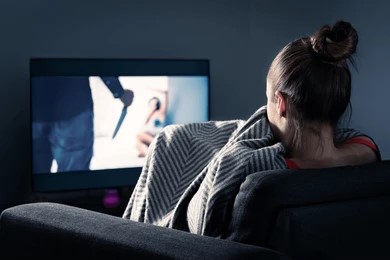
Have you ever been hooked to a horror movie, with sweaty palms, a racing heart, periodic shivers, and goosebumps?
That intense physical reaction, the rush of adrenaline, the fear that forms in the pit of your stomach! This is exactly why this genre exists actually, but can horror movies rot your brain?
Let’s clear the air. Horror movies cannot literally rot your brain, but they can cause physiological responses in the brain. (sweaty palms, racing heart). In this article, we’ll discuss the effects that horror movies tend to have on the mind, and who should avoid seeing these type of movies.
Have horror news to share? Send us trailers, releases, festival updates or indie film announcements for possible coverage on LikeHorror. Submit News →
What Happens To The Body
The body is wired to receive voluntary and involuntary responses that are controlled by the nervous system, and the brain plays a central role in nearly all of them. When you see a horror movie, your body reacts involuntarily; This is your psychological response. We all know the usual rush of emotions that we get from seeing a horror movie like The Conjuring: fear, paranoia, and anxiety. All these are triggered by a part of the nervous system called the Sympathetic Nervous System (SNS).
The oxytocin hormone, known as the bonding hormone, evokes feelings of connection. For example, when you watch a scary movie with someone, the gripping of arms, huddling together, and shared screams create a bond through shared fear, which releases oxytocin. As stated earlier the brain is the control unit behind all these reactions. The part responsible for decoding emotions and activating fear responses is called the Amygdala. Imagine the Amygdala as the main smoke detector in your house; its primary function is to detect danger and trigger an alarm immediately.
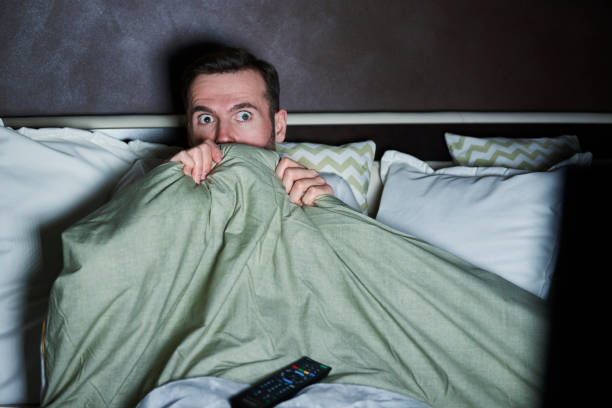
Watching a horror movie. Source: Shutterstock
Just like an oversensitive smoke detector, it blasts a false alarm over harmless smoke. That false alarm is your body’s psychological responses: anxiety, tension, and sudden unease.
The Psychological Impact (What the Doctors Say)
Some people frown at the excitement of watching horror movies, while others derive pleasure from it. Neuroscientists discovered that watching horror movies has a positive psychological effect on the body, including relieving stress hormones. When the movie ends, the body releases adrenaline and cortisol.
When the movie ends, your body releases dopamine, which is responsible for the feeling of pleasure and the desire to see more horror movies. It boosts resilience and self-confidence. The bold step you took in watching a threatening horror movie and successfully “surviving” it, you gain a sense of accomplishment.
Psychologists and neuroscientists have found that there are positive effects of watching horror movies, and of course, several downsides to it. The most common downside is sleep disruption, due to fear and memories of the scary scenes. The rush of adrenaline can make it harder to fall asleep, while cortisol can keep your mind alert after the movie ends, and could even extend into becoming paranoid. This can trigger nightmares in some individuals, especially after seeing a movie like A Nightmare on Elm Street.
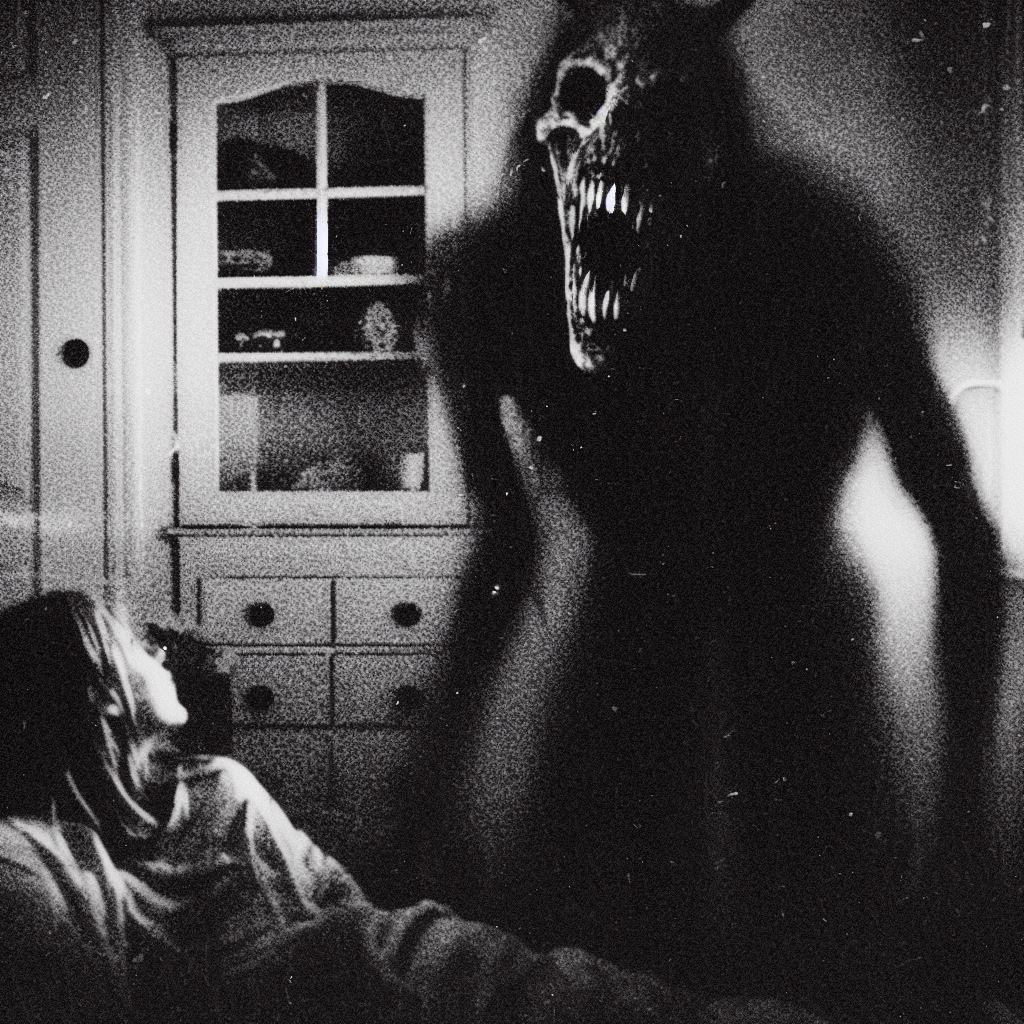
The Shadow Monster. Source: Reddit
Horror movies can also trigger people with anxiety disorders. It can reopen past traumas and cause severe emotional disorders.
Another long-term effect is that horror movies instill and create fear in you. You could become unintentionally conditioned to associate neutral sounds like footsteps with a feeling of fear and anxiety. This is how phobias can develop; for instance, if someone watches a horror movie in the dark and gets frightened, they may develop a fear of darkness.
Who is Most Likely At Risk
Not everyone is advised to watch horror movies; some people are vulnerable to their effects. Children and young adolescents are in this category; the brains of young children specifically include the prefrontal cortex, which is still developing. They find it hard to differentiate between fantasy and reality.
The onus falls on the parent to establish guidance and control; cartoons and movies should be thoroughly scrutinised and inspected. Parents should avoid watching horror movies with children, as this will leave a scar on their minds. It can traumatize and cause fear in them.
Overly anxious individuals should avoid watching horror movies, as this can trigger memories and traumatic experiences. If you struggle with insomnia, horror movies will only make it worse by disrupting your sleep patterns.
Final Thoughts
As stated earlier, horror movies will not physically rot your brain, but your sanity and sleep might be on the radar if you are not careful. Know your limit; if watching horror increases your anxiety or disrupts your sleep, you can turn it off. It is a good sign of emotional regulation.
You are not a coward for doing so! Fear is a natural body alarm. Learning when to turn it off is wisdom, not weakness. And if you must watch it, avoid doing so two hours before bedtime; your body will be grateful.
New to LikeHorror? Explore our best lists, reviews, videos, fun posts and horror picks worth saving. Explore Highlights →
The town of Castle Rock is opening its doors once again, and this time, it’s Netflix that’s welcoming viewers inside. Both seasons of the Stephen King–inspired series Castle Rock will officially land on the platform this December, giving fans a fresh chance to revisit (or discover) one of the most ambitious King universe expansions ever put on screen.
Originally developed by Sam Shaw and Dustin Thomason, and executive produced by J.J. Abrams, the series was first released on Hulu. It was celebrated for stitching together threads from King’s vast literary world, bringing together elements from The Shining, Salem’s Lot, Misery, Needful Things, and the eerie, haunted spirit of King’s fictional Maine town itself.
Now, five years after its cancellation, the show is being revived for streaming audiences who may have missed its atmospheric, multi-layered storytelling the first time around.
While Season 1 introduced fans to a new mystery centered around Henry Deaver and a dark secret beneath Shawshank, it was Season 2 that truly grabbed the horror community’s attention, offering a chilling, reimagined origin story for Annie Wilkes, the iconic antagonist of Misery.
Played by Lizzy Caplan, this younger Annie is unhinged, ruthless, and heartbreakingly tragic. The season mixes psychological terror with family drama and even hints at supernatural influence, making it one of the strongest King reinterpretations in recent memory.
For many, the Season 2 storyline is reason enough to hit play the moment Castle Rock premieres on Netflix.
Although Castle Rock ended after two seasons, its return through Netflix is expected to bring an entirely new wave of viewers. Streaming revivals have proven powerful for genre shows, and this December drop is timed perfectly for holiday binges, and for longtime King fans eager to revisit the eerie maze of Easter eggs scattered throughout the series.
Netflix’s addition of the show also reflects the continued hunger for expanded King universes, following recent hits like The Boogeyman, IT, and the upcoming Welcome to Derry series.
With its moody cinematography, densely layered references, and unforgettable performances, Castle Rock remains one of the most ambitious Stephen King TV experiments ever produced. And now, with its arrival on Netflix, the series is positioned to finally reach the wider audience it always deserved.
Are you planning to binge both seasons this December? Or will you be diving straight into the Annie Wilkes prequel storyline?
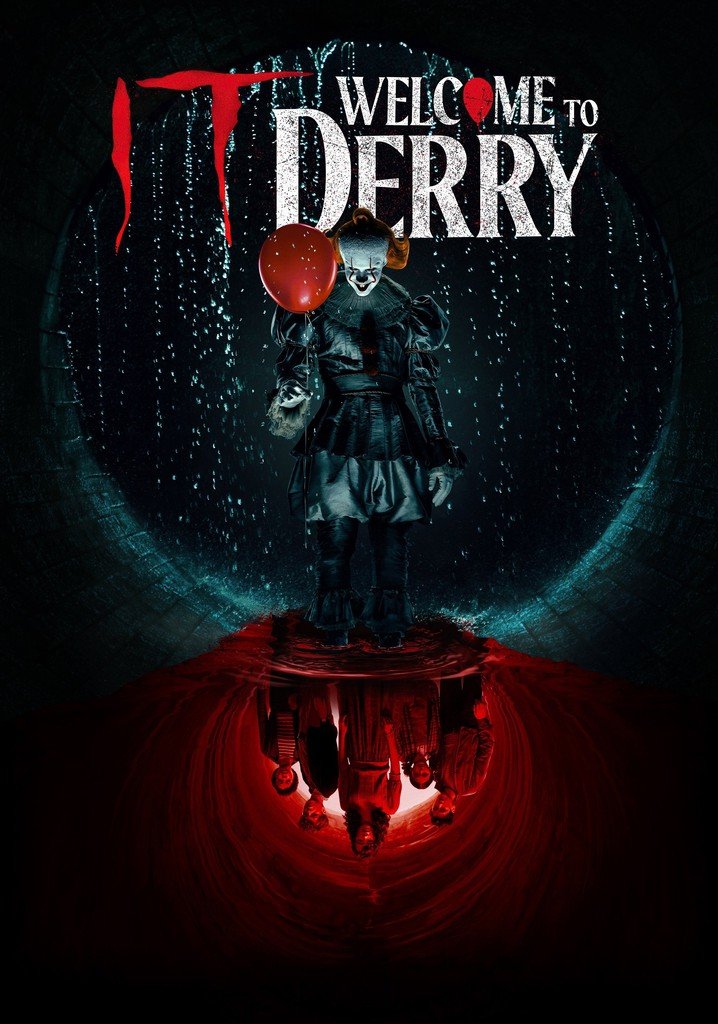
Horror fans, get ready. The clown is returning. The official mid-season trailer for IT: Welcome to Derry has just been released, and it confirms that Pennywise is set to make his chilling return in the next chapter of the series.
Up until now, the show, an expansion of the Stephen King universe set in the town of Derry, Maine, has kept Pennywise somewhat off-screen, focusing instead on other manifestations of horror. But with four episodes down and four more to go in the debut season, the trailer makes it clear that the shapeshifting entity is back in full force.
Bill Skarsgård reprises his role as Pennywise, delivering that same unnerving mix of menace and mockery that made the character iconic. The trailer gives viewers glimpses of his return to Neibolt Street, a location steeped in Derry’s dark past, and sets the tone for what appears to be the series’ escalation of terror.
The first season of IT: Welcome to Derry is positioned as a prequel to the events of It: Chapter One, pushing the timeline back to 1962. Director Andy Muschietti has involvement in the series, and the production promises a blend of new and familiar horrors as the story explores Derry’s history of catastrophic events. The mid-season finale is scheduled for 14 December, but the trailer confirms that the next phase begins 23 November, with Pennywise returning to the stage of nightmares.