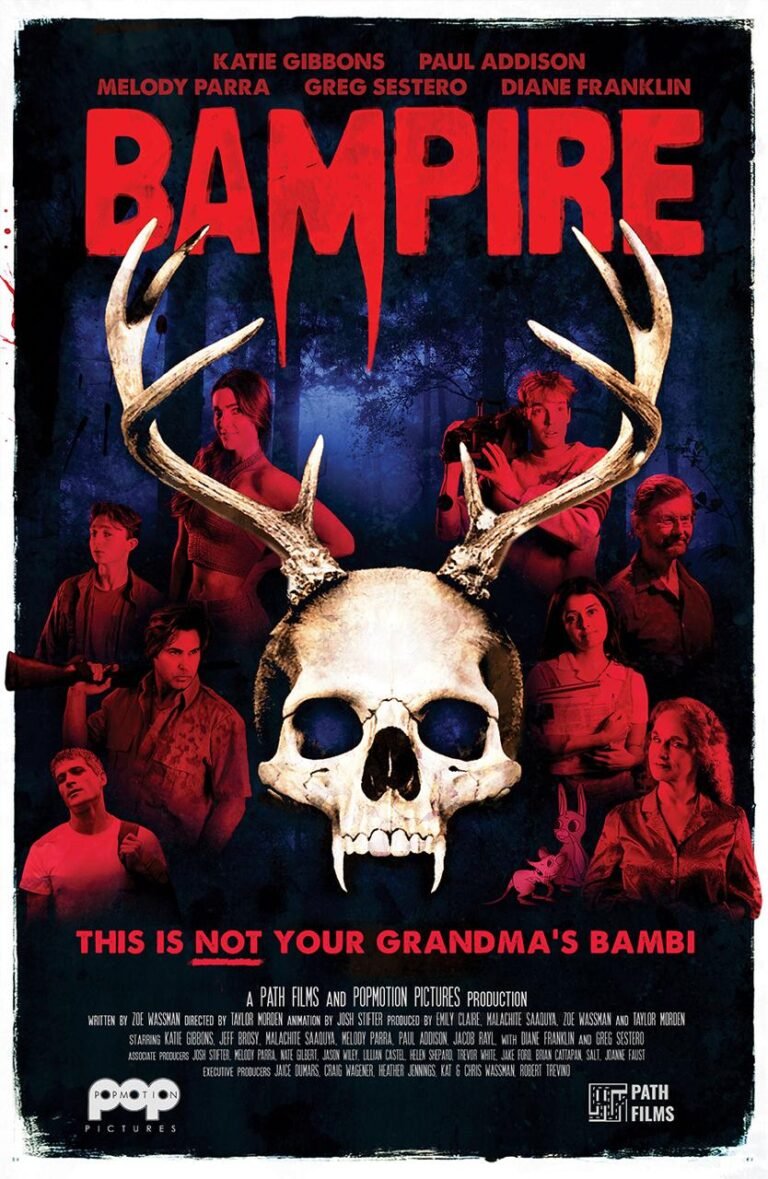
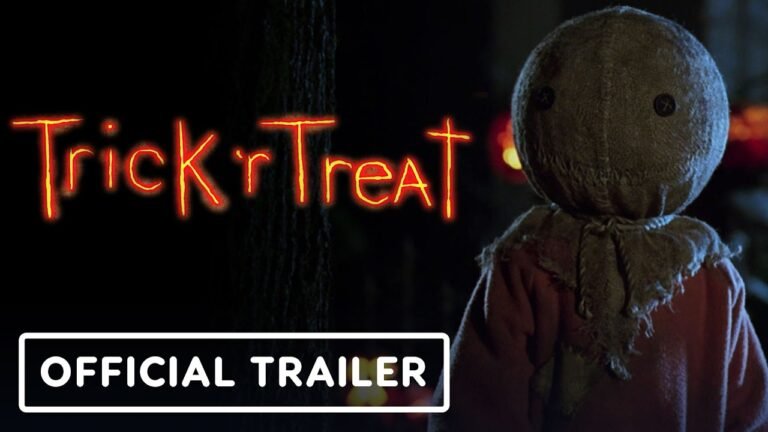
“Bampire” – The Bambi horror movie your mom warned you about and weird uncle loves, just released the first official trailer.
The story of Bampire revolves around a hapless professor and a pack of misfit students who head into the woods in search of a legendary fanged deer; they instead unleash a bloodthirsty half-deer, half-human nightmare in a 90s throwback horror comedy where nobody passes survival class.
Bampire was filmed in Oregon in late 2023 and was completed in August of 2025. The film has been playing film festivals and winning awards all over the country including ‘Best Horror Film’ at the Oregon Independent Film Festival, ‘Best Actor’ (Jeff Brosy) at the Boobs & Blood Film Festival, and ‘Best of the Fest’ at the Hollywood Horrorfest.
The film stars Greg Sestero (The Room, The Disaster Artist), Katie Gibbons, Paul Addison, Melody Parra, Jacob Rayl, Jeff Brosy and Malachite Saaquya with a special appearance from Diane Franklin (Better Off Dead, Bill & Ted’s Excellent Adventure). The film features a mix of live action and hand-drawn animation and has been described as Evil Dead 2 meets Who Framed Roger Rabbit. It also features voice cameos from Lloyd Kaufman (The Toxic Avenger) and Samm Levine (Freaks and Geeks, Inglorious Basterds).
The film was independently produced and is currently seeking distribution with the goal of being released before the end of 2025.
“Whatever you are expecting this movie to be, I promise it’s a lot weirder than that!” -Taylor Morden, Director
“This film is special. It’s radical, funny, thrilling, and very entertaining. It’s a stand out work of art” – Diane Franklin, Actor
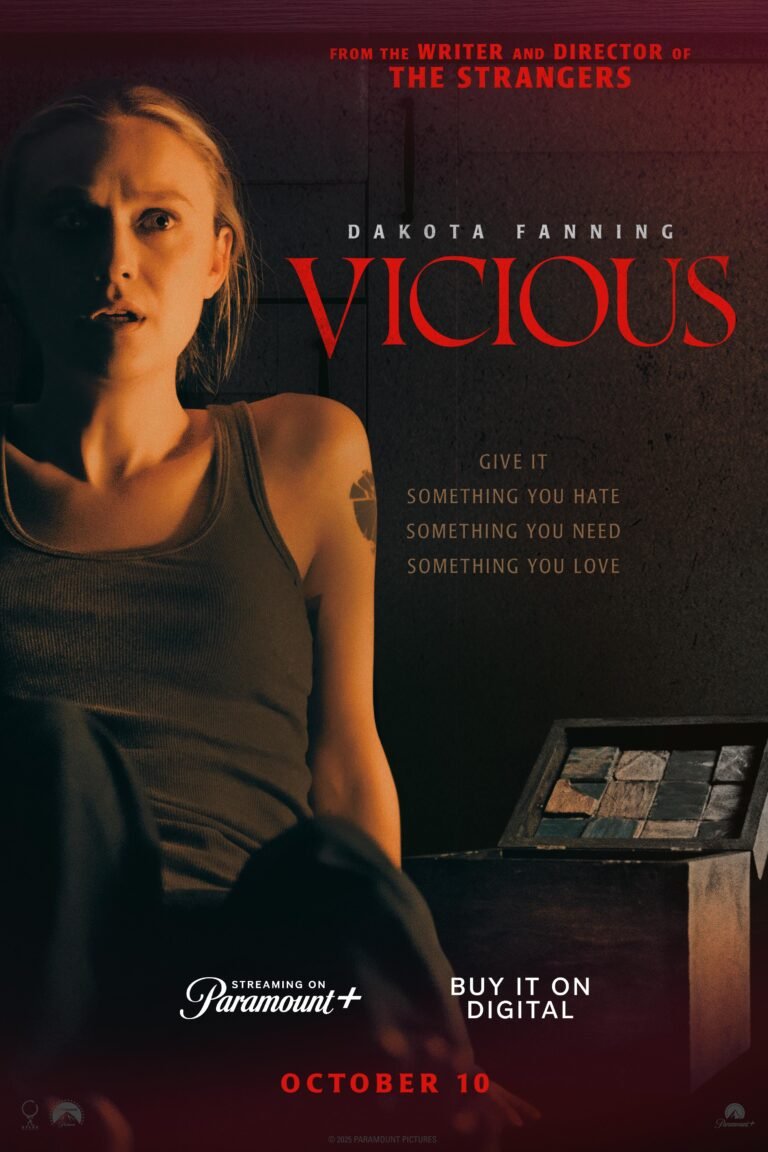
The nightmare has a new face, and it’s inside a box you should never open. Following its world premiere at Fantastic Fest on September 19, Vicious has officially arrived for streaming on Paramount+, marking the return of The Strangers director Bryan Bertino to the genre that made him a master of slow-burning dread.
Dakota Fanning stars as Polly, a young woman battling severe anxiety and depression who becomes cursed after a chilling encounter with an elderly stranger. Left with a small, ancient box that seems to whisper her deepest fears, Polly discovers it demands three offerings: something she hates, something she needs, and something she loves. Each demand grows more disturbing, tearing apart her sanity and body in equal measure.
As the trailer reveals, Bertino’s horror is less about what’s seen and more about what’s felt, the gnawing dread of being consumed by one’s own mind. “Fear feeds it. Resist it… and maybe you survive,” Bertino said during a Q&A at Fantastic Fest, describing the cursed box as a metaphor for anxiety itself. The film’s blend of psychological terror and symbolic storytelling continues the filmmaker’s signature approach seen in The Dark and the Wicked (2020).
Shot primarily in Austin, Texas, Vicious features haunting cinematography by Tristan Nyby (The Dark and the Wicked) and an unsettling score by Tom Schraeder, whose minimalist tones amplify the suffocating atmosphere. Early critics’ reactions highlight Fanning’s harrowing performance, with Bloody Disgusting calling it “her most haunting role since The Alienist,” and Collider praising Bertino’s “mercilessly human approach to horror.”
At just under 100 minutes, Vicious refuses to rely on jump scares. Instead, it leans into psychological disintegration, using the cursed object as an allegory for mental illness, a choice that has drawn comparisons to films like The Babadook and Hereditary.
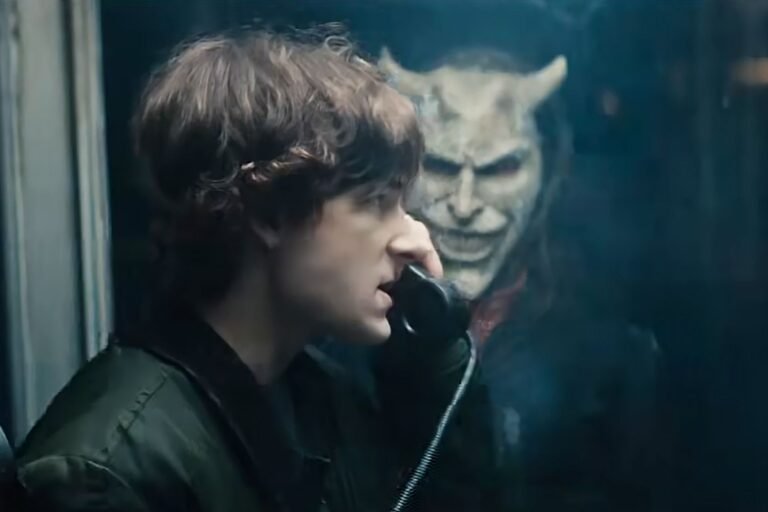
The line is ringing again, and this time, the call is darker. Director Scott Derrickson and producer Blumhouse Productions return with Black Phone 2, the highly anticipated sequel to the 2021 breakout horror hit. Following its world premiere at Fantastic Fest on September 20, the film has already drawn praise for its chilling atmosphere and emotional depth ahead of its October 17 U.S. theatrical release via Universal Pictures.
Set two years after the events of the original film, Black Phone 2 continues the story of Finney Blake (Mason Thames), now a teenager haunted by the supernatural ordeal that once nearly killed him. His younger sister Gwen (Madeleine McGraw) still experiences disturbing visions, and when a new string of abductions begins, the siblings realize the nightmare of The Grabber, played once again by Ethan Hawke, is far from over. But this time, the evil isn’t just human.
Co-written by Derrickson and longtime collaborator C. Robert Cargill, the film expands the world of the first installment, trading its suburban basement setting for the snowbound isolation of a 1980s winter camp in Colorado. The shift opens the door to a more psychological brand of horror, blending the eerie nostalgia of The Shining with the intimacy of The Sixth Sense.
Returning cast members Jeremy Davies (as the siblings’ father, Terrence Blake) and Ethan Hawke anchor the story, while new faces Demián Bichir, Anna Lore, and Graham Abbey add fresh energy to the growing mythology. Derrickson’s son, Atticus Derrickson, composed the score, described by early viewers as “harrowing and hypnotic.”
The sequel was born from an unexpected phone call, literally. Author Joe Hill, whose short story inspired the first film, pitched Derrickson a simple concept: “A phone rings again. Finney answers. It’s The Grabber calling from hell.” That haunting idea became the backbone of the sequel.
Critics who attended the Fantastic Fest premiere describe Black Phone 2 as “a haunting, emotionally charged continuation” (Cinemablend), with The Washington Post noting that it’s “darker, smarter, and scarier than expected.” The film’s R rating reflects its heightened intensity, both psychological and visual.
Visually, cinematographer Pär M. Ekberg crafts a haunting blend of flickering shadows and pale winter light, while editor Louise Ford maintains Derrickson’s signature pacing, slow burns punctuated by brutal shocks. The film’s use of distorted phone calls, spectral voices, and surreal dreamscapes has been widely praised as one of the year’s most innovative horror sound designs.
With The Black Phone (2021) grossing over $157 million worldwide on a modest budget, expectations are high for this follow-up, which reportedly cost around $30 million to produce. Industry analysts expect a strong box office debut, bolstered by a loyal fanbase and a horror-hungry fall season.
Black Phone 2 officially hits theaters on October 17, 2025, and will later stream on Peacock before arriving on digital and Blu-ray in early 2026. Until then, the line remains open, and the screams are only getting louder.
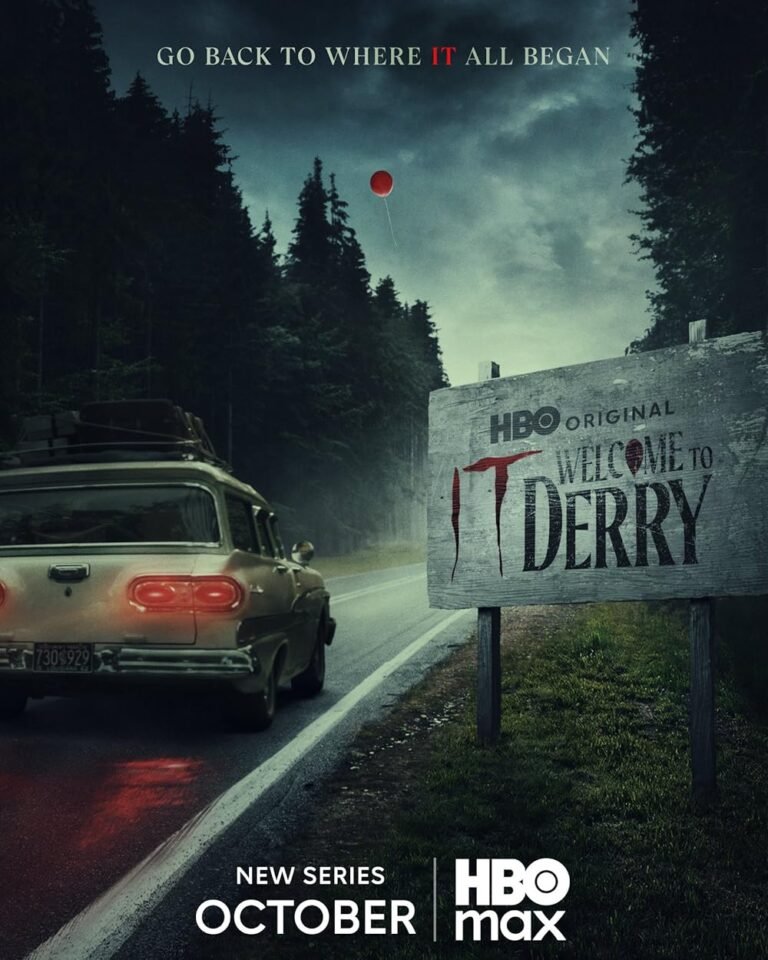
Derry, Maine is back on screen, and evil is stirring once again. HBO’s highly anticipated prequel series It: Welcome to Derry is currently in production, and new details from Entertainment Weekly and Deadline reveal how the show will dive deeper into the cursed town that birthed one of horror’s most enduring monsters, Pennywise the Dancing Clown.
Set in 1962, decades before the events of Andy Muschietti’s It films, the series explores the town’s dark beginnings through the eyes of the Hanlon family, particularly Leroy Hanlon, a war veteran returning home to a community where something sinister lurks beneath the surface. The storyline will also tie into the origins of the Black Spot, a nightclub for Black residents that becomes a central site of violence and tragedy, a key part of Stephen King’s novel that was only briefly referenced in the films.
Bill Skarsgård will reprise his chilling role as Pennywise, but sources say his appearance will come later in the season, allowing the show to build a slow, psychological dread before unveiling the iconic clown. Skarsgård is also serving as an executive producer.
Joining the cast are Chris Chalk (Perry Mason), who plays a younger version of Dick Hallorann, the psychic cook from The Shining, and Madeleine Stowe, Taylour Paige, Stephen Rider, and Jovan Adepo, among others. Chalk’s portrayal of Hallorann is said to offer a more grounded and complex look at the character, exploring his own connection to Derry’s dark energy long before the events at the Overlook Hotel.
Filming began in May 2023 in Toronto, Hamilton, and Port Hope, Ontario, locations that previously stood in for Derry in the It films. Production was briefly halted during the SAG-AFTRA strike but resumed in early 2024 under the working title Greetings from Fairview.
The creative team has described Welcome to Derry as a blend of “period drama and cosmic horror,” examining how hatred and fear manifest across generations. Expect the show to capture the fog-drenched streets, red balloons, and claustrophobic dread that defined the films, this time infused with deeper social commentary about racism, post-war trauma, and small-town decay.
It: Welcome to Derry is set to premiere on HBO and Max on October 26, 2025, with episodes releasing weekly. The first season will feature nine episodes, several of which are directed by Andy Muschietti himself.
Fans of Stephen King’s It universe can expect a haunting return to the town where the nightmare began, only this time, the story peels back the layers of evil that have been festering beneath Derry’s streets for generations.
Horror movies don’t just frighten audiences in real time; they haunt imaginations long after the credits roll. Many classics have held their esteemed status because they capture the fears, styles, limitations, and creative solutions of the time in which they were made.
However, when these classics are remade, fans and horror lovers don’t get the emotional rollercoaster that we love to experience. In this article, we’ll look at why classic horror movies often suffer in their remakes.
The Weakness of Remakes
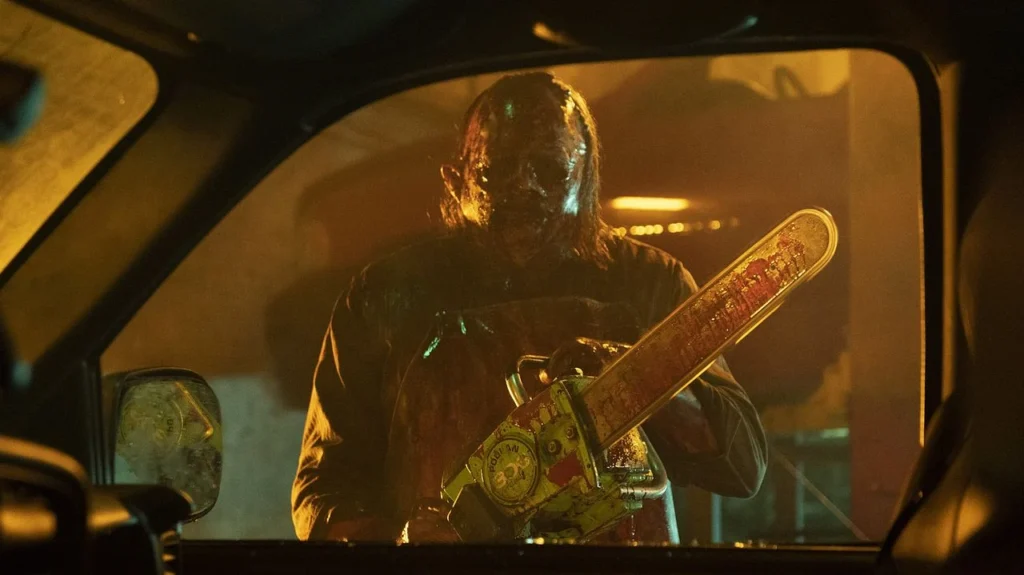
As Hollywood increasingly turns to reboots and remakes, the cultural significance of these films inevitably begins to weaken. From Hitchcock’s Psycho (1960), popularly known as the first modern horror, to The Texas Chain Saw Massacre (1974), and the surreal dread of Argento’s Suspiria (1977), these films achieved iconic status in popular culture. In contrast, the remakes of these movies fail to honor or expand on what made them groundbreaking and are mostly made to reintroduce old stories to new audiences.
Although some remakes manage to add fresh ideas, many fall short. They lean on spectacle, updated effects, or shallow reinterpretations, which shows that horror classics often should be left untouched. Their legacies cannot be remade.
Think you know horror? Take a quick LikeHorror challenge, test your movie knowledge and see how you compare with other fans. Play the Challenge →
Cultural Memory and The Imprint of Fear
One of the greatest challenges for remakes lies in cultural memory. Horror films cannot be separated from the historical and social worlds in which they are created. A film becomes a classic not only through its craft but also because it resonates deeply with the audiences of its time.
This creates an emotional mark on viewers who first saw it in theaters, and later generations return to these films to experience the originality of another era. That imprint is almost impossible to reproduce.
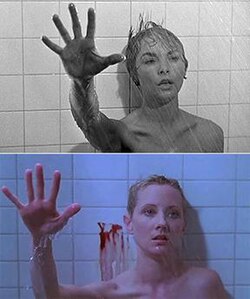
A good example is the original Psycho (1960). It not only thrills audiences, but it also has a significant effect on what they thought cinema could show. The shower scene, where Marion Crane is stabbed while Herrmann’s violins scream in the background, shocked audiences with its violence and with the sudden death of its main character halfway through the story. The sharp edits, the black and white contrast, and the vulnerability of Janet Leigh’s stripped-down image left a lasting impression on viewers still accustomed to the restrictions of the Production Code.
Psycho 1960 vs 1998
When Gus Van Sant released his nearly identical remake in 1998, although complete with color and new actors, it eventually became lackluster because by then, audiences had become accustomed to graphic violence and nudity, making the same scenes no longer carry the shocking effect. The remake demonstrated why Hitchcock’s film worked in 1960 but could not be duplicated decades later.
Similarly, The Wicker Man (1973) captured a distinctly British strand of folk horror by weaving rural isolation, pagan ritual, and religious anxiety into a story that grew steadily more unsettling. The Maypole dance, with children cheerfully singing about fertility, became disturbing precisely because of its innocence. Willow’s erotic dance, performed just on the other side of Sergeant Howie’s wall, mixed sensuality with spiritual unease, underlining the clash between Christian values and pagan freedom.
The unforgettable ending, where Howie is sacrificed inside a giant wicker figure while villagers sing joyfully, remains one of the most haunting finales in horror. The 2006 remake starring Nicolas Cage stripped away these cultural and spiritual layers.
The Maypole dance lost its ritual weight, Willow’s character no longer carried the hypnotic presence of seduction, and the final sacrifice became unintentionally comical, remembered more for Cage’s shouting and the “not the bees” scene than for dread. Instead of primal terror, the remake turned what was once a haunting cultural allegory into a punchline by disregarding the cultural context and the heart of the original’s genre-influenced artistic style.
Atmosphere and Nostalgia Over Spectacle
One of the most distinct losses in many remakes is the lack of innovation with artistic style and atmospheric tension. Classic horror thrives on suggestion, silence, and gradual suspense, built through practical effects, sound design, and restrained performances. Modern remakes often trade these qualities for loud visuals, jump scares, CGI, and direct shocks. What should have been slow-building terror becomes a fast spectacle.
This difference is clear in Poltergeist. The 1982 film grounded its horror in the warmth of a suburban family whose home is slowly invaded by supernatural forces. It’s eerie, static-filled television, Carol Anne’s chilling whisper of “They’re here,” and the grotesque hallucination of a man peeling his face left unforgettable impressions. The 2015 remake rushed through these same beats with little emotional weight, relying on CGI to recreate the scares without the patient buildup that made the original powerful.
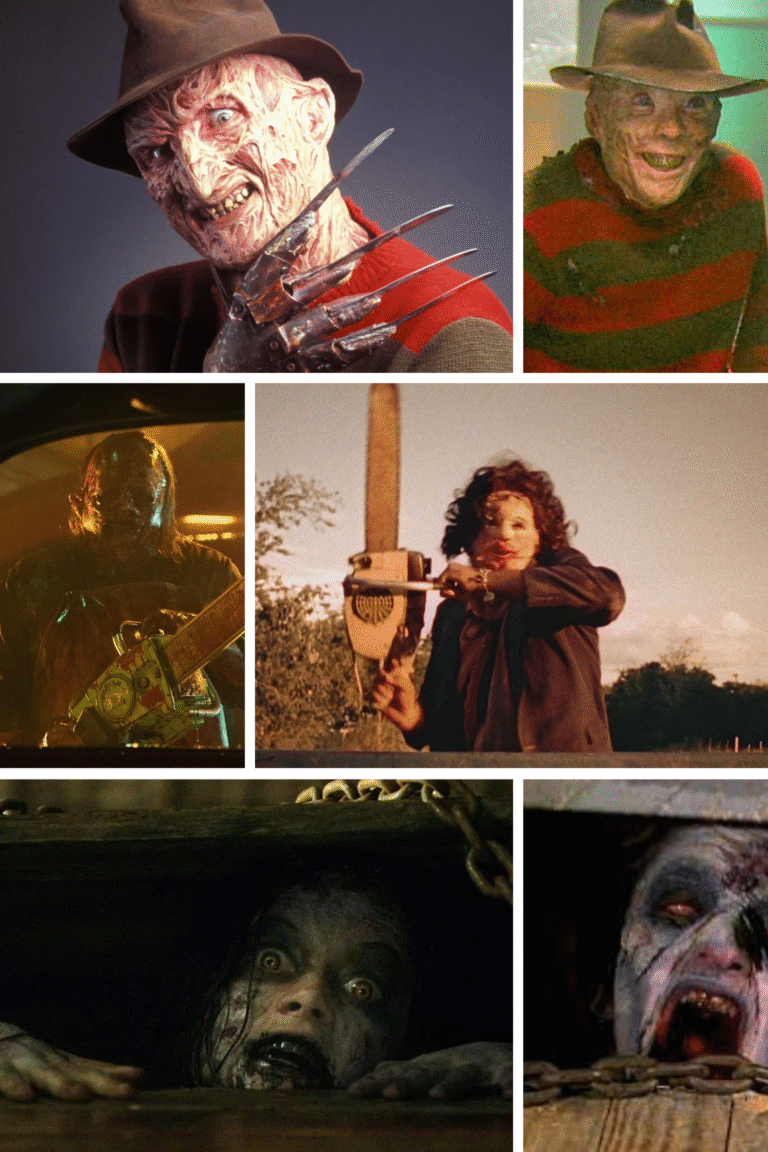
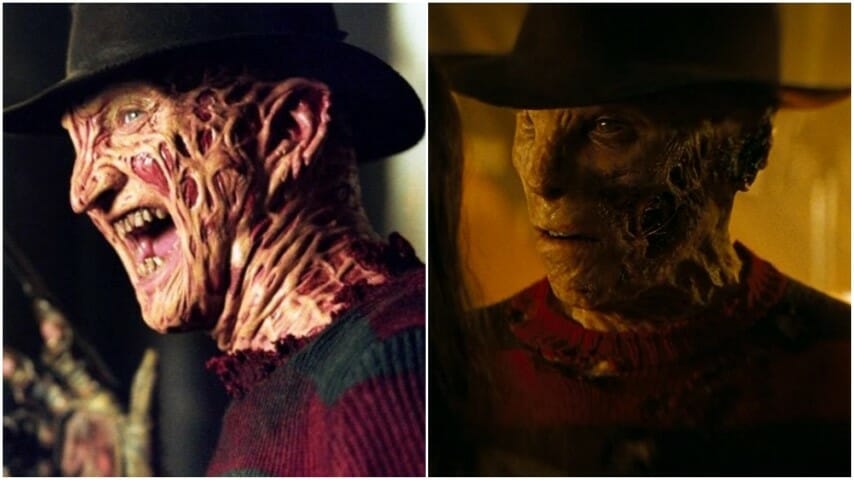
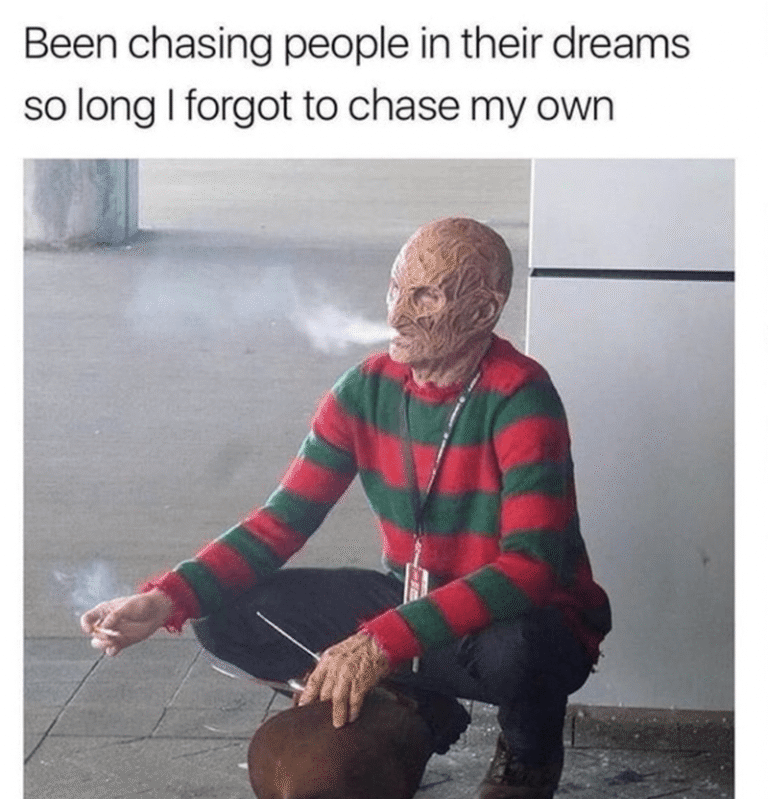
The same can be said of A Nightmare on Elm Street (1984), where Wes Craven used surreal dreamscapes to bend reality into disturbing shapes. Nancy’s classroom nightmare, where her dead friend appears bloodied in the hallway, and the geyser of blood erupting from Glen’s bed are moments that unsettled audiences through practical effects and nightmarish atmosphere.
The 2010 remake updated Freddy’s look with heavy CGI scars and reproduced the deaths with digital effects, but the result lacked the dreamlike terror of the original. Robert Englund’s Freddy, a mix of humor and menace, became in Jackie Earle Haley’s version more monstrous than nightmarish.
Goodnight Mommy (2014) offers another lesson on how originality of scares and atmosphere creates lasting cultural memory. The Austrian original built its power from ambiguity and silence. The mother’s face, wrapped in bandages, left audiences questioning her identity, while the twins’ cruel tests of her authenticity created unbearable tension. Having no music or stylized visuals, these moments made the viewer feel trapped inside the children’s paranoia.
However, the 2022 American remake softened this ambiguity. The mother’s role was explained too directly, the violence toned down, and the scenes that mirrored the original lacked weight, relying instead on straightforward scares. What had been a hallucinatory nightmare became a conventional thriller.
This is where nostalgia’s power comes in. Audiences remember the original not only for its craft but for the emotional mark it left, a fear that lingered long after the credits. When remakes fail to recreate that resonance, they are not only judged as weaker films, but they also remind us of how classical the original experience truly was.
Final Thoughts
These comparisons reveal why horror classics last. They are born from cultural memory, historical context, and artistic originality. Their atmosphere, suggestion, and innovation allow them to stand apart as films that last, whether they were made decades ago or only a few years back.
As societies and their fears gradually evolve, filmmakers today would do better to create original stories that reflect present anxieties and artistic and cinematic sensibilities, rather than recycling old ones. The horror films that will stand the test of time are those that capture their era in unforgettable ways, leaving an imprint that no remake can ever truly replicate.
Not sure what to watch tonight? Let LikeHorror suggest a few scary picks and discover something that matches your mood. Get a Horror Pick →
Horror filmmaker Zach Cregger, best known for Barbarian and the upcoming thriller Weapons, is officially stepping into Capcom’s legendary horror universe. Cregger is set to direct a new Resident Evil film for Sony’s Columbia Pictures, Constantin Film, and PlayStation Productions, but unlike past adaptations, this one won’t be a remake. Instead, it will tell a completely original story set within the established lore of the games.
Entertainment Weekly reports that the project is already in production in the Czech Republic, with scenes being filmed in Litoměřice and Prague, utilizing the country’s historic tunnels and abandoned industrial areas to recreate the eerie, decaying atmosphere the franchise is known for.
Cregger emphasized that his version won’t rely on iconic protagonists like Leon S. Kennedy or Jill Valentine, explaining: “I’m not going to steal Leon and put him in an original story. That would be presumptuous. Everything fans love about Resident Evil will stay intact, we’re just exploring a new corner of that world.”
The film follows Austin Abrams (Euphoria, Weapons) as a courier tasked with delivering an experimental antidote amid a citywide viral outbreak, hinting at a smaller, more character-driven narrative than past installments. Paul Walter Hauser (Black Bird, Cruella) joins in a key supporting role, alongside Zach Cherry (Severance), Kali Reis, and Johnno Wilson.
Cregger co-wrote the screenplay with Shay Hatten, known for his work on John Wick: Chapter 4 and Rebel Moon. The film’s visuals are being shaped by veteran cinematographer Dariusz Wolski (The Martian, Pirates of the Caribbean), and the production team includes Roy Lee and Miri Yoon, who also worked with Cregger on Weapons.
According to The Prague Reporter, principal photography began in February 2025 and will continue into early 2026. The film has received CZK 191 million (about US $9 million) in incentives from the Czech Film Fund, with an estimated total production budget of US $36 million, making it one of the largest international genre productions shooting in the region this year.
Resident Evil is scheduled for theatrical release on September 18, 2026, via Sony Pictures and Columbia Pictures. With Cregger at the helm and a fresh narrative angle, fans and horror enthusiasts alike are eager to see how this new vision will redefine one of gaming’s most iconic and terrifying worlds.