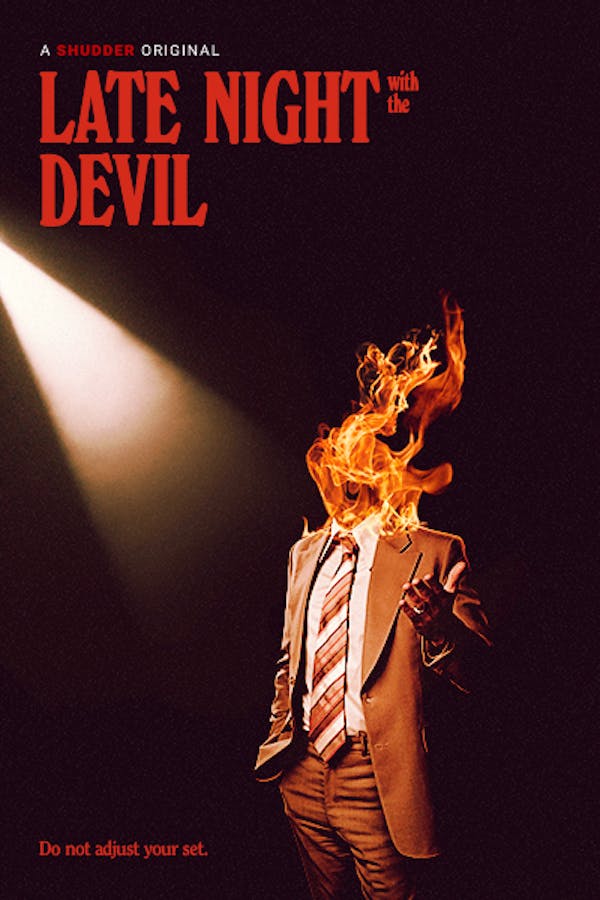
The independent horror film Late Night with the Devil is proving that a creative concept is more terrifying than a massive budget. The film, which stars David Dastmalchian as the host of a late-night talk show, is presented in a found-footage style, capturing the events of a terrifying broadcast from Halloween 1977. The host, desperate to boost his ratings, invites an allegedly possessed girl onto his show, leading to a horrifying live event.
The movie has been praised for its unique approach to analog horror and for Dastmalchian’s captivating performance. After its world premiere at the South by Southwest Film Festival (SXSW) in 2023, the film received generally positive reviews and has since captivated audiences both in theaters and on streaming platforms. Its success is a testament to the power of a strong script and an innovative approach to a classic horror trope.
Filmmakers Colin and Cameron Cairnes went to great lengths to create the authentic 1970s aesthetic, drawing inspiration from Australian talk shows of the era. They made a conscious choice to use practical effects to pay homage to the horror films of that period. Lead actor David Dastmalchian has stated that the directors were heavily influenced by the works of John Carpenter and David Cronenberg, with the film’s violence specifically designed to evoke their styles. The film’s critical reception has been overwhelmingly positive, with horror publications like Bloody Disgusting calling it a “clever trojan horse for a surprising horror movie that goes full throttle on unhinged demonic mayhem.” The film even caught the attention of master of horror Stephen King, who reportedly called it “brilliant.”
There is no new information available about the film. The latest news remains centered on its widespread critical and fan reception, its success as an indie horror film, and its release on home media.
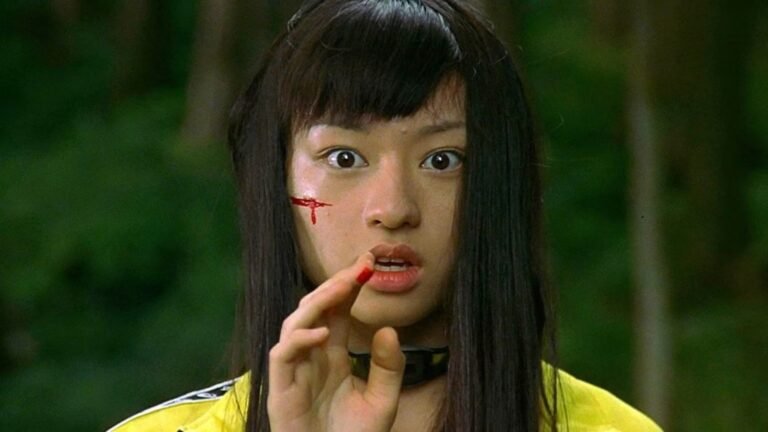
A beloved and influential Japanese film is getting a new life on the big screen. The 2000 dystopian action-horror classic Battle Royale is returning to theaters nationwide for a limited run, featuring a newly restored 4K edition.
The film, which was highly controversial and faced scrutiny for its graphic content upon its original release in Japan, did not reach U.S. theaters until 2011. Since then, it has earned cult status and a place in horror cinema history. It tells the story of a group of ninth-grade students forced by a totalitarian government to fight to the death on a deserted island. Its blend of high-stakes action and biting social commentary has influenced countless films, television shows, and video games in the years since its debut.
The 4K restoration is a treat for fans, and it’s a chance for new audiences to experience the film’s visceral intensity as it was meant to be seen. The special theatrical run will also include an interview with the original writer. The film holds a “Certified Fresh” rating of 90% on Rotten Tomatoes.
Acclaimed director Quentin Tarantino is a well-known fan of the film, having said he “wishes he had made the movie.”
You can catch Battle Royale in theaters on October 12th, 13th, and 15th.
Headline: A Behind-the-Scenes Battle Halts the Release of Saw XI
The future of the Saw franchise is in limbo. Despite the massive success of Saw X, the sequel, Saw XI, has been officially stalled and has not been released as originally scheduled. According to reports, this is not a creative issue, but rather a “managerial-level” problem stemming from a serious “inter-squabbling between producers and Lionsgate.”
Screenwriter Patrick Melton, who penned the script for Saw XI, revealed that he and his writing partner submitted a draft over a year ago but have heard nothing back. The script for Saw XI was meant to pick up just 30 seconds after the end of Saw X, with the villain Cecilia Pederson (Synnøve Macody Lund) returning alongside fan-favorite Mark Hoffman (Costas Mandylor).
The film’s plot was reportedly going to tap into the same themes as Saw VI, with Jigsaw targeting a group of corrupt health insurance executives. However, disagreements between producers and the studio have prevented the film from moving forward, and it’s unclear if it will ever be made.
A New Game is on the Horizon
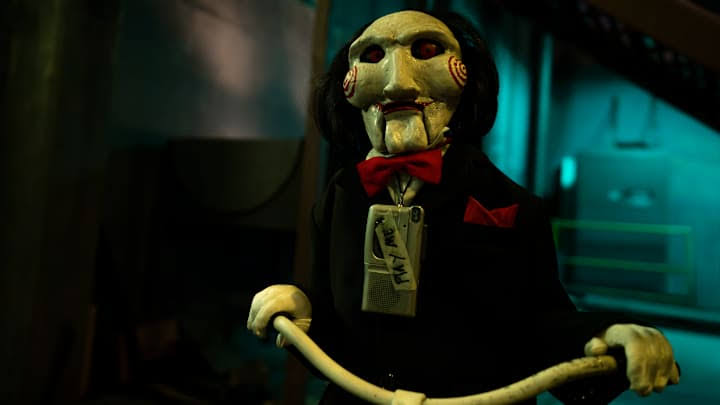
Despite the bad news, Lionsgate has downplayed rumors of the franchise being over. In a statement released through the persona of Billy the Puppet, the studio said, “I’ve seen the rumors. They say it’s Game Over. You all should know me better than that. The game is never over.”
This statement, combined with the news that the franchise has been sold to Blumhouse, suggests a new era for Saw is on the horizon. While this specific version of Saw XI may be dead, the franchise is likely to be rebooted under new management.
Once upon a time, horror was simple – a group of teens in the woods, a masked killer, maybe a satanic cult lurking in the shadows. But today’s horror has evolved into something slower, deeper, and way more existentially unsettling.
Now, it’s about melancholy, mommy issues, and a creeping sense of doom – and let’s be honest, you know you’re watching modern horror when you feel like you need therapy afterward.
So what defines the new wave of horror? Let’s break down the trends, tropes, and A24’s undeniable chokehold on the genre.
Reinventing the Genre: Fresh Horror Highlights
The last few years have been stacked with genre-bending horror films that push boundaries:
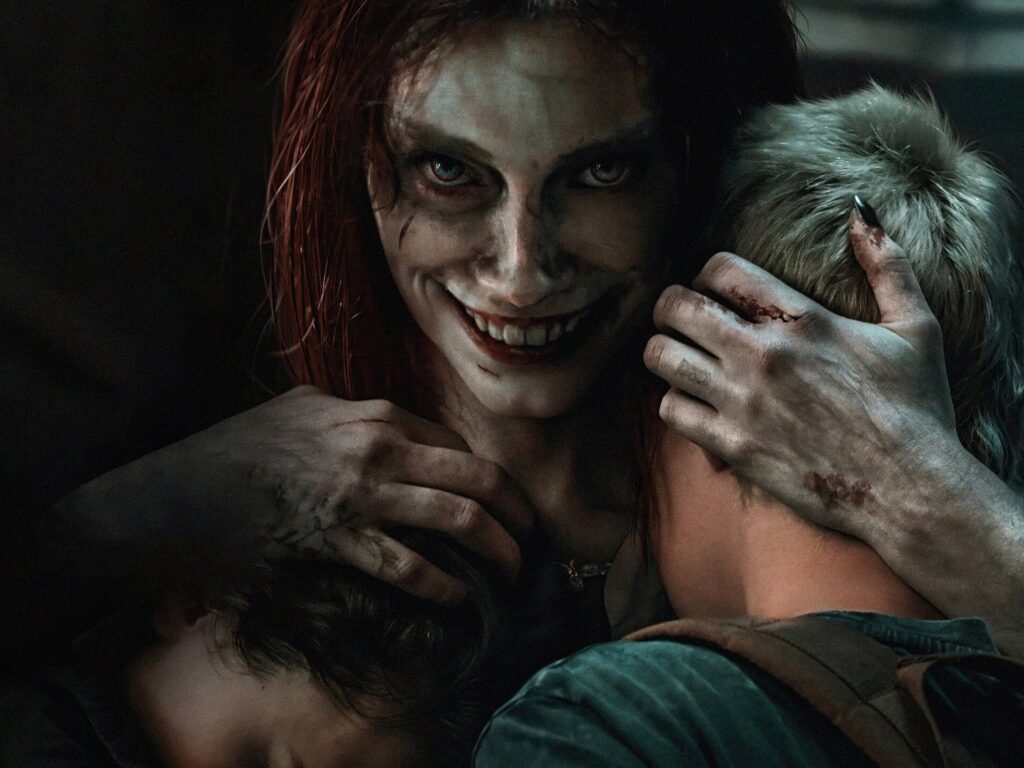
Talk to Me (2023) – A fresh take on possession horror, turning it into a metaphor for teen drug addiction. No One Will Save You (2023) – A silent alien invasion thriller with barely any dialogue. Evil Dead Rise (2023) – A blood-drenched reboot of Sam Raimi’s cult classic. Skinamarink (2022) – An experimental, nostalgia-fueled nightmare that feels like a childhood fever dream. Beau Is Afraid (2023) – A three-hour Freudian meltdown disguised as a horror movie.
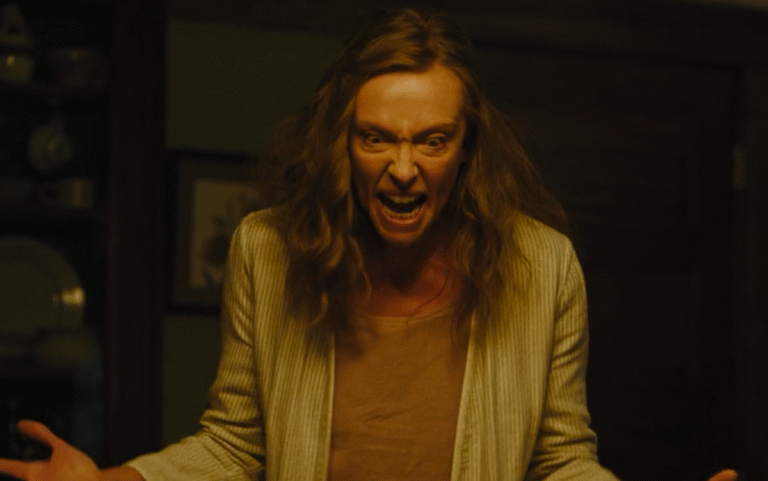
And let’s not forget modern game-changers like Hereditary, The VVitch, Get Out, The Babadook, Titane, and Mandy – films that prove horror is no longer just about scares – it’s about existential dread.
But what do these films all have in common? Let’s dig into the DNA of modern horror.
1. Trauma: The Root of All Evil
Horror has always been about trauma, but today’s horror movies take it to a new level of psychological devastation.
Hereditary (2018) – A multi-generational horror about grief, family curses, and the worst family reunion imaginable. Beau Is Afraid (2023) – A man’s entire existence is dictated by his mother’s suffocating control – and it’s somehow both terrifying and hilarious.
With therapy culture on the rise, horror is leaning hard into childhood trauma, toxic families, and deeply repressed fears.
2. The Villain? White Men.
Once upon a time, horror villains were monsters, ghosts, and demons. Now? It’s regular white dudes being unsettling as hell.
Watcher (2022) – A man just stares at a woman across the street, and it’s somehow terrifying. Men (2022) – A psychological horror where all men literally have the same face (subtle, right?). Lucky (2020) – A woman is attacked by the same man every night, but no one believes her.
Today’s horror leans into real-world fears – the horror of being ignored, dismissed, or stalked in plain sight. And sometimes, that’s scarier than any supernatural entity.
3. A Love Affair with the Past
When in doubt, horror turns to nostalgia – whether it’s reinventing old subgenres or making everything look like it was shot on a VHS tape from 1983.
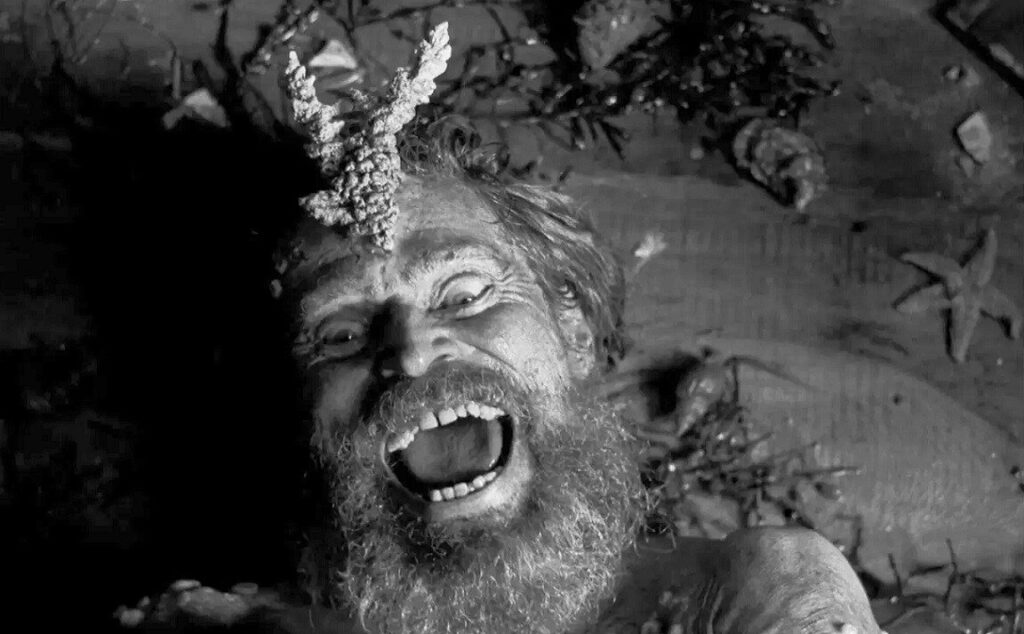
The House of the Devil (2009) – A perfect recreation of ‘80s horror, down to the grainy film stock. Enys Men (2022) – Shot on a 1930s camera for that eerie, old-school look. The Lighthouse (2019) – A black-and-white nightmare that feels like it crawled out of a Lovecraftian fever dream.
Directors like Robert Eggers, Ti West, and Peter Strickland are obsessed with vintage aesthetics, proving that sometimes the past is scarier than the future.
4. Social Media & Digital Horror
Technology has changed the horror genre – and now, horror is embracing blogs, livestreams, and viral fame.
Spree (2020) – A rideshare driver livestreams his murders for clout. We’re All Going to the World’s Fair (2021) – A found-footage-style horror about a teenager documenting her eerie transformation. Host (2020) – A Zoom-based horror movie, because even ghosts had to work remotely in 2020.
If classic horror taught us not to go into the woods, modern horror is teaching us not to go online.
5. Slow-Burn Horror: Fear in the Details
Today’s horror loves taking its time. It’s not about constant jump scares – it’s about building tension so slowly you don’t realize you’re suffocating until it’s too late.
Speak No Evil (2022) – A movie so painfully slow and awkward, the final act hits like a sledgehammer. Saint Maud (2019) – A quiet psychological horror about religion, obsession, and madness. The Night House (2020) – A grief-stricken woman faces a supernatural presence – but the terror is more about the isolation.
When modern horror finally explodes, it’s twice as effective – because the dread has been simmering for way too long.
6. Is It a Horror Movie… Or a Dark Comedy?
Some horror movies refuse to pick a lane, balancing between genuine terror and absurdity.
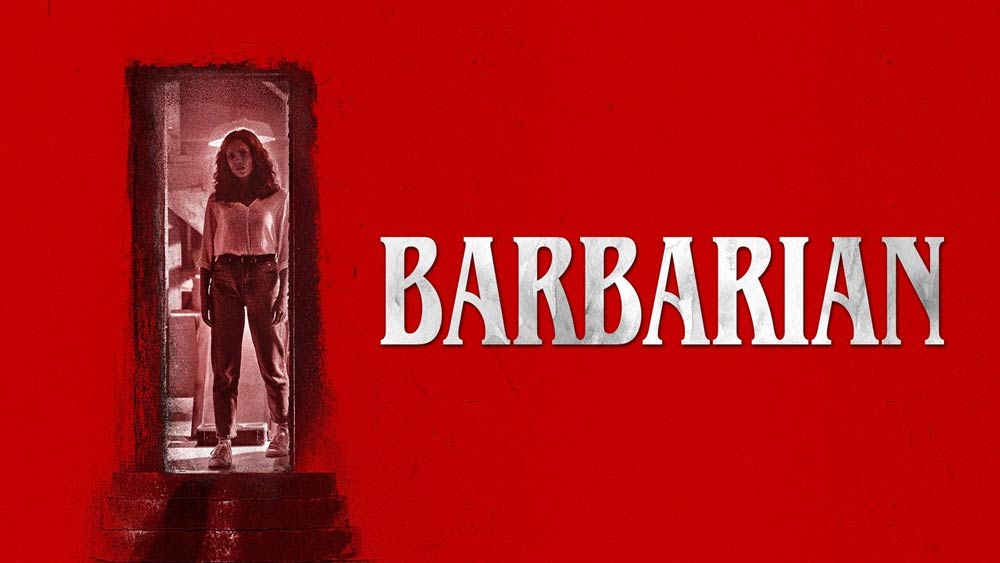
Creep (2014) – A movie that makes you laugh one second and feel deeply uncomfortable the next. Barbarian (2022) – Starts as a thriller, turns into a nightmare, and somehow remains hilarious.
If you’re not sure whether to laugh or scream, you’re watching modern horror at its finest.
7. The A24 Horror Aesthetic
Love it or hate it, A24 has shaped modern horror – and you know an A24 horror movie when you see one.
Slow-burn tension Atmospheric cinematography Characters who look emotionally drained 24/7 The sense that something horrifying is about to happen… but doesn’t… until it really, really does.
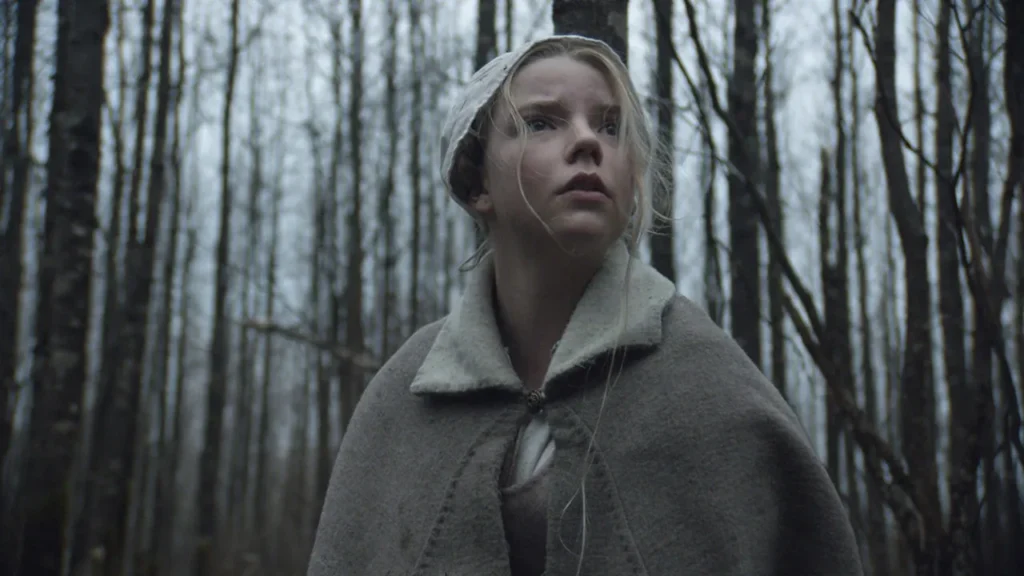
Films like The Witch, The Lighthouse, X, and Hereditary have redefined horror, but they’ve also inspired an entire wave of slower, moodier, “elevated” horror.
Of course, this style has become so predictable that even horror fans joke about it – cue the memes about “slow burn, bone-chilling cinema”.
Final Thoughts: The Future of Horror
Horror is constantly evolving, and today’s films are blending genres, diving into deeper themes, and redefining what it means to be scared.
From social media horror to existential nightmares, the new wave of horror isn’t just about making you scream – it’s about making you think, feel, and question everything.
So, what’s your favorite modern horror trend? Are you team A24 slow burn or do you prefer fast, chaotic carnage? Let’s discuss in the comments!
Headline: A Blood-Soaked Triumph for Animal Rights Activists, Or a Terrifying Tale of Revenge?
The highly anticipated Dutch horror-thriller Meat Kills is officially in theaters in the Netherlands today, but it’s already been making a name for itself on the festival circuit. The film had its world premiere at Fantastic Fest 2025 and was also selected for the prestigious Sitges International Film Festival. The director, Martijn Smits, said his goal was to create “a bloody, uncompromising horror experience around one of the most primal and provocative topics of our time: meat consumption.”
A Film That Pushes Boundaries
The film plunges viewers into a nightmarish clash between radical animal liberation and a desperate farmer. The story follows a young activist, Mirthe (Caro Derkx), who infiltrates a local pig farm to secretly film its horrors. When her activist group finds the pigs already slaughtered, their mission shifts from rescue to brutal revenge. However, as the violence escalates, the lines between right and wrong begin to blur, leaving viewers to question their own allegiances.
According to a review, Meat Kills “wears its inspirations on its sleeve and pulls off homages rather than copy/paste from the greats.” The film channels the gritty energy of early 2000s horror films like Wrong Turn and High Tension. The filmmakers reportedly shot on location at a real pig farm at night, with the actors lying in real pig juices and smelling the blood and sweat from that day’s work. The realism was so intense that one of the actors decided to go vegan after the experience.
From a Punch to the Gut to a Shot at an American Remake
Early reviews for Meat Kills have praised its provocative themes and relentless brutality. Critics have called it a “thrilling and exciting watch from start to finish,” noting its excellent use of practical effects and sharp writing. The film is not for the faint of heart, as it uses intense and gruesome violence to deliver a powerful message.
Director Martijn Smits has expressed his gratitude for the film being selected for Fantastic Fest, saying he can’t wait to share the story with an audience that is “hungry for visceral, morally complex storytelling.” He also revealed that the team is already exploring the possibilities for an international remake to bring the film to a wider audience.
Zombie movies were a strange curiosity after their introduction in the 1930s, and have, over time, become a global mirror that filmmakers use to reflect modern anxieties.
Their journey runs from the voodoo-inspired corpse of White Zombie to the high-concept superhero nightmare of Marvel Zombies. This path shows not only how makeup and special effects have changed but also how the fears of audiences have shifted and how the monsters themselves have been reimagined.
New to LikeHorror? Explore our best lists, reviews, videos, fun posts and horror picks worth saving. Explore Highlights →
The Origins, Folklore, and the Birth of the Undead (1930s–1960s)
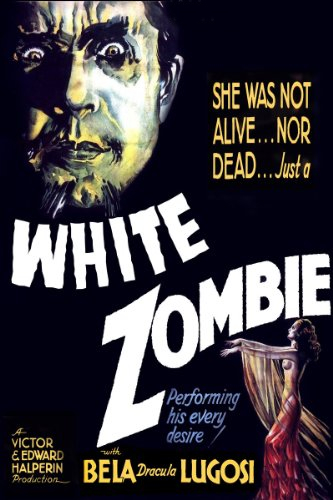
In the early 1900s, zombies were not displayed as monsters that devoured human flesh, but as people robbed of will. White Zombie (1932), often considered the first full-length zombie film, tells the story of a plantation owner who uses voodoo magic to enslave others.
The real threat here is not bloodthirsty creatures but the loss of personal agency, which served as a metaphor for colonial fears and possession.
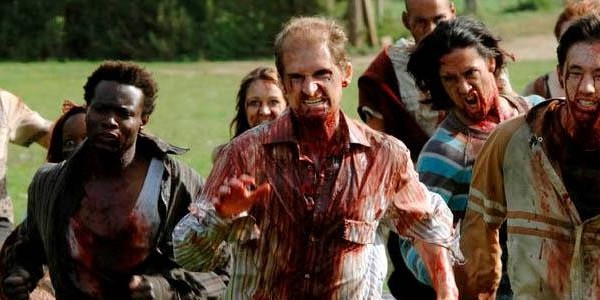
This mystical understanding stayed with the genre until 1968, when George Romero completely reshaped it with the film ‘Night of the Living Dead.’ Romero presented zombies as reanimated corpses that fed on human flesh, removing the mystical roots and turning them into a reflection of human failings.
Unlike the remakes of the 21st century, this movie deliberately left the origins of the creatures unclear. Its tensed farmhouse setting and focus on conflict among survivors showed that Romero was more interested in the collapse of society than in the monsters themselves.
By the time Dawn of the Dead (1978) came to the scene, Romero had sharpened his vision. This time, the setting was a shopping mall where the undead wandered like mindless consumers. Blending gore with biting social commentary, he linked zombies to the herd behavior of consumerism.
The Golden Age of Zombies: Satire and Excess (1980s)
The 1980s built on Romero’s work and opened the Zombie genre to experimentation and satire. The Return of the Living Dead (1985) reshaped it by introducing creatures that specifically craved human brains and could not be stopped with a simple headshot.
Its punk rock style, slapstick gore, and playful humor blurred the line between comedy and horror. Return of The Living Dead also placed the craving for brains at the heart of popular culture’s image of zombies.
The 80s showed that zombies could be funny, self-aware, and frightening at the same time. It stretched the boundaries of tone and prepared the way for later films that would mix horror with parody and other genres.
The Renaissance: Reinvention and Experimentation with Fear, Infection, and Speed (2000s)
28 Days Later (2002), directed by Danny Boyle, imagined zombies not as the dead returning to life but as people infected by a ‘rage virus,’ breaking the stereotype of the 20th century. These fast-moving creatures captured the fears of bioterrorism and global pandemics in a post-9/11 world.
That same year, Resident Evil (2002) brought together action, science fiction, and horror. Adapted from the video game series, it introduced the Umbrella Corporation, whose scientific greed unleashed the undead. This blend of corporate conspiracy and mutated monsters helped establish zombies as blockbuster material and inspired many sequels.
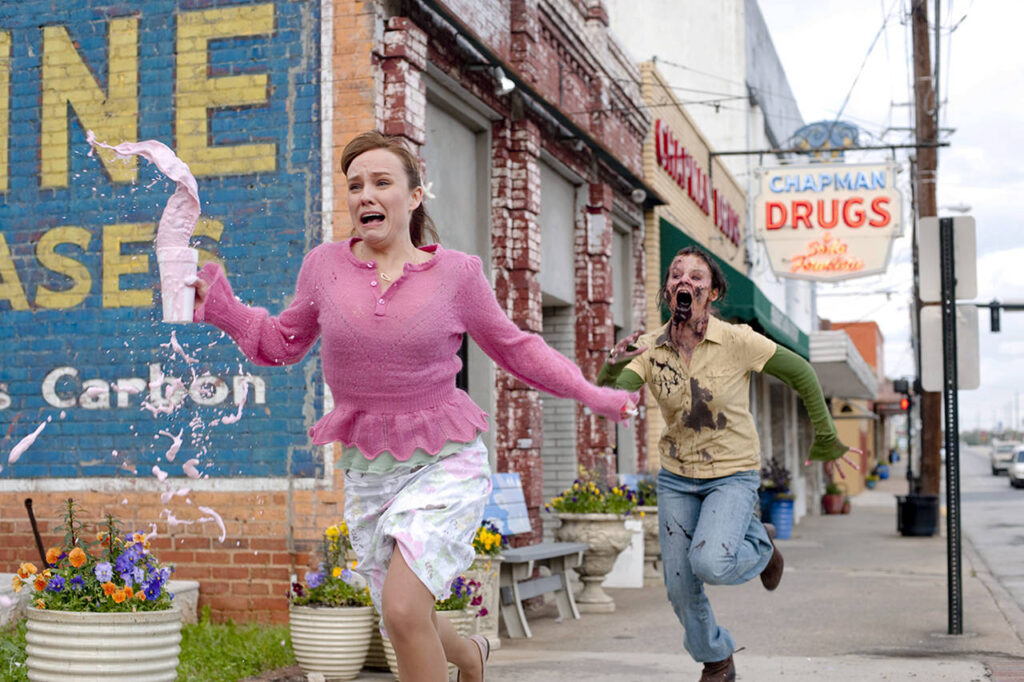
The mid-2000s also invited humor into the mix. Shaun of the Dead (2004) combined British romantic comedy with the apocalypse, lovingly parodying Romero while still delivering tension and scares. It showed that zombies could serve as a backdrop for stories about friendship and love as much as for horror. Meanwhile, Romero himself returned with Land of the Dead (2005), which displayed an advancement in zombie intelligence, suggesting that they were evolving.
The Mainstream Boom: Globalization and Hybridization (2010s)
The groundwork of earlier movies prepared the 2010s for an explosion of zombie horror. The Walking Dead (2010–2022) became one of the most influential TV series of the decade. Across eleven seasons, it focused less on the undead themselves and more on the struggles of survivors, the building of communities, and the moral challenges of living in a ruined world.
On film, World War Z (2013) expanded the genre to a blockbuster scale. Following a UN investigator racing to find a cure, it introduced massive swarms of zombies that moved like unstoppable waves, and later on… with coordination.
The Zombie cinema rose to global attention during this period, with South Korea’s Train to Busan (2016), which merged action with emotional storytelling, focusing on themes of family and sacrifice. The movie also has an animated prequel, Seoul Station (2016), which highlights social neglect by showing how the homeless were the first victims of the outbreak.
Later, Kingdom (2019–2021) pushed the genre into historical drama by setting a plague in Korea’s Joseon dynasty. These examples revealed how cultural perspectives could refresh familiar tropes and make them new again.
Experimentation and Modern Diversity (Late 2010s–2020s)
As the decade drew to a close, filmmakers began blending zombies with other genres in increasingly daring ways. Overlord (2018) combined the brutality of World War II with Nazi experiments that created zombie-like soldiers, while Army of the Dead (2021), directed by Zack Snyder, blended a heist movie with a zombie outbreak in Las Vegas and introduced intelligent “alpha” undead that altered the behavior of hordes.
Streaming platforms brought new opportunities as well, with Netflix’s All of Us Are Dead (2022) centered on high school students trapped during an outbreak.
The future of the genre points even further. Marvel Studios is set to release Marvel Zombies (2025), an animated series where famous superheroes are infected. This marks its full entry into pop culture’s most mainstream space.
Final Thoughts
Zombies are unique not just because of their long history or the number of films produced, but because of their ability to reflect human society and experience. Beyond picking brains or tearing flesh apart, Zombie horror mirrors the mindless world we often find ourselves in.
While these movies may seem repetitive or cliché with similar storylines or actions, they’ve become a big part of the horror genre and won’t be leaving anytime soon.
What’s next for zombie evolution? Who knows. We may soon have movies with zombies that can fly or use weapons to fight back. We’ll just have to wait and see!
Want to know what is worth your time? Read more LikeHorror reviews before choosing your next scary movie. Read Reviews →
The final days of Fantastic Fest 2025 have arrived, and with them, a wave of new reviews and the highly-anticipated winners list. The festival’s 20th anniversary has proven to be a celebration of both established talent and a new generation of genre filmmakers, with some clear standouts and a few unexpected surprises.
Awards and Accolades
The festival’s winners list has been released, celebrating a diverse range of films. In the main competition, the Cannes psychodrama The Plague took home Best Picture. On the horror side, the Arabic-language supernatural film The Vile was named best picture in its category, with the Argentinian film Crazy Old Lady winning for Best Director. The festival also recognized the Japanese film The Curse for Best Kill, a special mention that is a hallmark of the festival’s unique appreciation for the genre. In the Next Wave category, the A24-acquired film CAMP was named best picture.
Reviews and Reactions
While the awards are in, the audience buzz and critical reviews continue to roll in. Here’s a look at some of the films getting the most attention:
• The Strangers: Chapter 2: This highly anticipated sequel has been a mixed bag for critics. While some have praised its well-staged chase sequences and solid stunt work, others have called it a disappointing follow-up that “trades suspense for endless chases, delivering a dull sequel that weakens its killers’ mystique.” The film, which was screened at Fantastic Fest, is set to be released on September 26th.
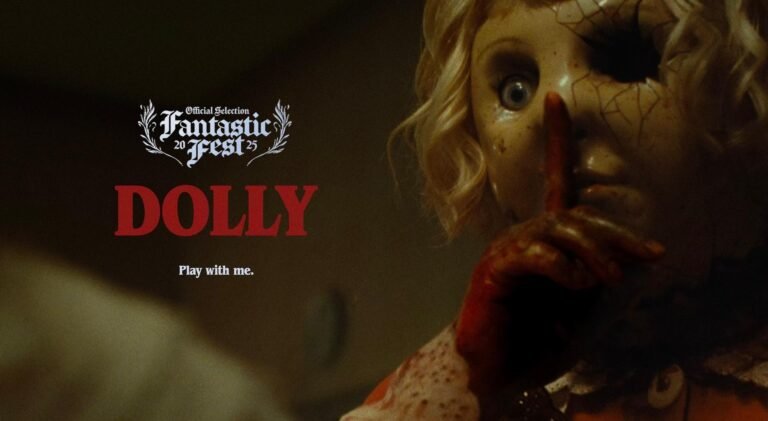
• Dolly: This demented film is getting buzz for being a terrifying homage to The Texas Chain Saw Massacre. The film, from director Rod Blackhurst, features a Leatherface-esque monster and a twisted family, with the creature “Dolly” being described as “nightmare fuel.” The film has been noted for its disturbing and unsettling nature.
• Primate: Directed by Johannes Roberts, this film has been called a “slick, animalistic horror.” The film, which features a rabid chimp, has been praised for its use of practical effects and for being a love letter to classic animal-turned-monster horror pictures. The audience at the premiere was reportedly “laughing and screaming and eating every moment of the experience up.”
Stay spooky, horror fans, and keep your eyes peeled for more terror!
Headline: A New Anthology Series Promises to Twist Reality and Fear
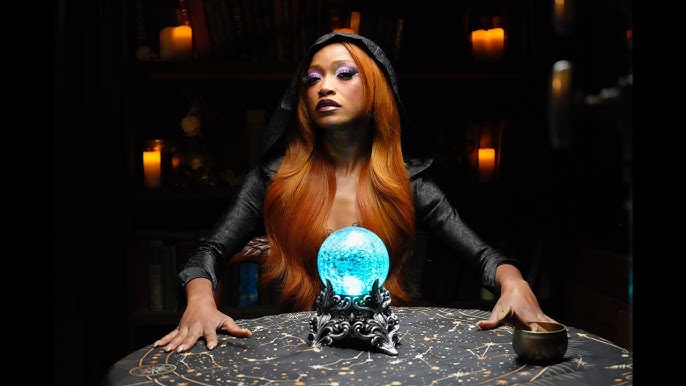
Keke Palmer is stepping into the genre space in a big way by hosting her own horror anthology series, Dread Manor. The show, which she also developed and executive produced, will feature her as the mysterious host, Madam Dread, who guides viewers through four standalone tales of terror.
The series is a production of KeyTV Network, a digital network founded by Palmer herself, and will premiere this Thursday, September 25th, on the network’s YouTube and Facebook channels. The four-part show will drop weekly, with each episode exploring a different subgenre of horror while delving into the darker corners of human imagination.
The premiere episode, titled “Devil’s Box,” will be followed by “Too Busy” (October 2), “The Stoning” (October 9), and “The Black Eyed Kids” (October 16). The official logline promises to deliver tales that “twist reality, fear, and suspense in the spirit of ‘Beyond Belief: Fact or Fiction.'” In an exclusive interview, Palmer expressed her excitement for the project, stating, “I get to guide the audience through this haunted little house of ours, and I can’t wait for y’all to step inside.”
The Inspiration and Creative Vision
Dread Manor is a project born from Palmer’s vision to create more opportunities for diverse creators. As she explained in an interview, she wanted to create a platform that gives a chance to “people that would very rarely have a chance” in the industry. The series is a key part of her mission to uplift a new generation of filmmakers, writers, and actors of color.
The show’s format, with its four standalone stories, allows it to explore a wide range of horror subgenres. For instance, the episode “Devil’s Box” is a simple but terrifying tale of a blind date gone wrong, while “The Black Eyed Kids” tackles a familiar creepypasta with a fresh, unsettling twist. This structure, combined with Palmer’s charismatic and unnerving performance as Madam Dread, is designed to keep viewers on the edge of their seats each week.
The ShadySide nightmare returns once more, but this time it takes a different turn, even though the events seem all too familiar.
Fear Street: Prom Queen is the latest installment based on the classic R.L. Stine novels, following the 2021 trilogy of slashers.
Director Matt Palmer removes the story from the original trilogy, delivering something new, although leaving traces of the curse from before.
But how well does this particular sequel do compared to the previous ones we’ve seen? Let’s take a look.
The Setup: A Prom Night Turn Disaster
The movie is set in 1988, between the 1978 and 1994 timelines. It dives deep into ShadySide High School, where the students are preparing for Prom Night.
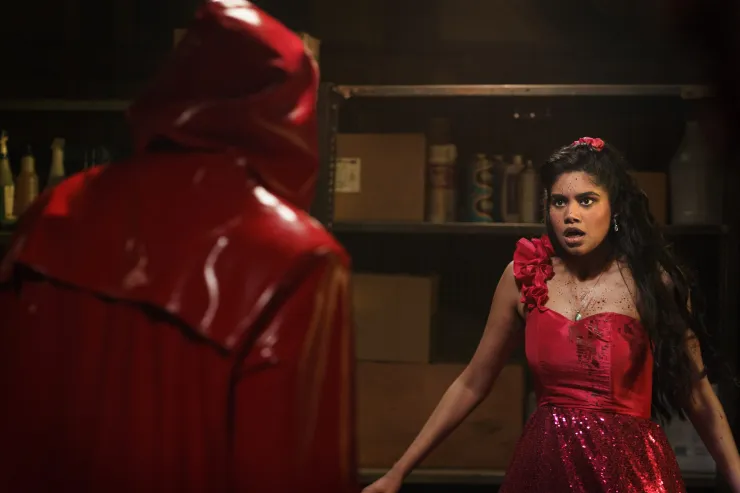
Lori Granger (India Fowler) is running for Prom Queen, but is the underdog compared to the other contestants. Even more discouraging is her past, connected to the murder of her dad.
Lori’s antagonist is Tiffany Falconer (Fina Strazza), the leader of the “wolf pack.” Tiffany is the frontrunner for Prom Queen and is doing it to satisfy a family dream.
But just before the event kicks off, the killings begin, and Christy Renault is the first victim.
From there, more horror unfolds as the slasher is let loose, targeting each of the candidates for Prom Queen. Fear Street: Prom Queen becomes a high school bloodbath, and in the end, it reveals a shocking tie with the original trilogy.
✅ What Works
A decent standalone story. The movie, while inspired by R.L. Stine’s books, doesn’t lean into the original trilogy or the curse of Sarah Fierce. It’s not groundbreaking, but it avoids being a lazy rehash.
A last-minute sting. The film drops a handful of twists before the killer reveal, but just when you’re ready to switch off, a post-credit tease ties things back to the familiar witchy pattern of the Goode family.
Some gnarly kills. Not every death lands, but a few make you grin at the sheer audacity. The boy who loses both hands? The electrocution scene? Messy, brutal, and fun.
❌ Where It Falls Short
A flimsy plot. The story races by without weight, leaving no room to breathe. The rushed pacing and flat ending make it feel both too fast and somehow exhausting.
Paper-thin characters. No one has emotional depth. You barely learn who’s who before you’re shoved into the next scene. Instead of building investment, the movie piles on confusion.
Predictable and awkward. The kills are often telegraphed, with the first murder (a girl stabbed while conveniently facing away) being the worst offender. Logic gaps don’t help: no one notices the missing contestants, and Lori’s mom — a cop — is a no-show right after the killer is caught.
Kills are too easy. Many — if not most — of the killings in Fear Street: Prom Queen are too easy. There’s no attempt to fight, even when the slasher enters the hall to kill Lori.
Some twists are bland. A few “shockers” are a bit dull and easily anticipated. Some events that should form the anchors for something new end up disappointing everyone.
Final Verdict: 2/5
Fear Street: Prom Queen doesn’t give us the thrill and scare of the previous trilogy, and its messy sequences make it hard to even follow through to the end.
The story is set in 1988, which means Fear Street: 1994 has not happened yet. With that in mind, the writer(s) and Director should have done better to tie it to the original saga that we know and love.
So watch it for the love of teenage drama, and keep your eyes peeled for all the twists in there.