

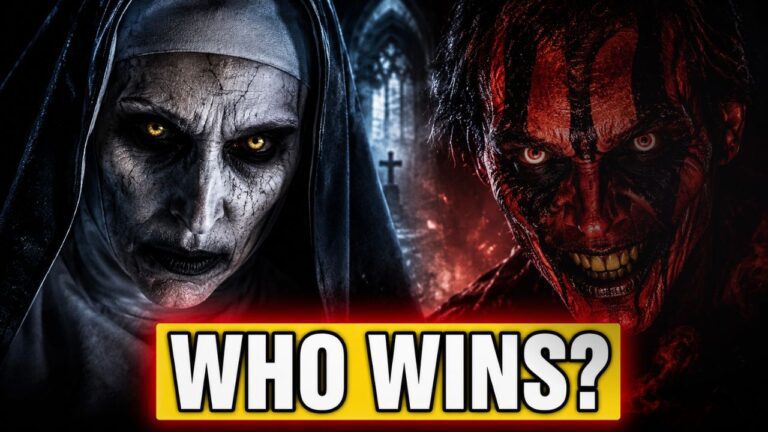
Insidious and The Conjuring helped redefine modern supernatural horror, but time hasn’t treated them equally. We compare their scares, sequels, characters, and mythology to decide which franchise aged worse.
Ruth Wilson Leads Cast of Upcoming Horror Film Family
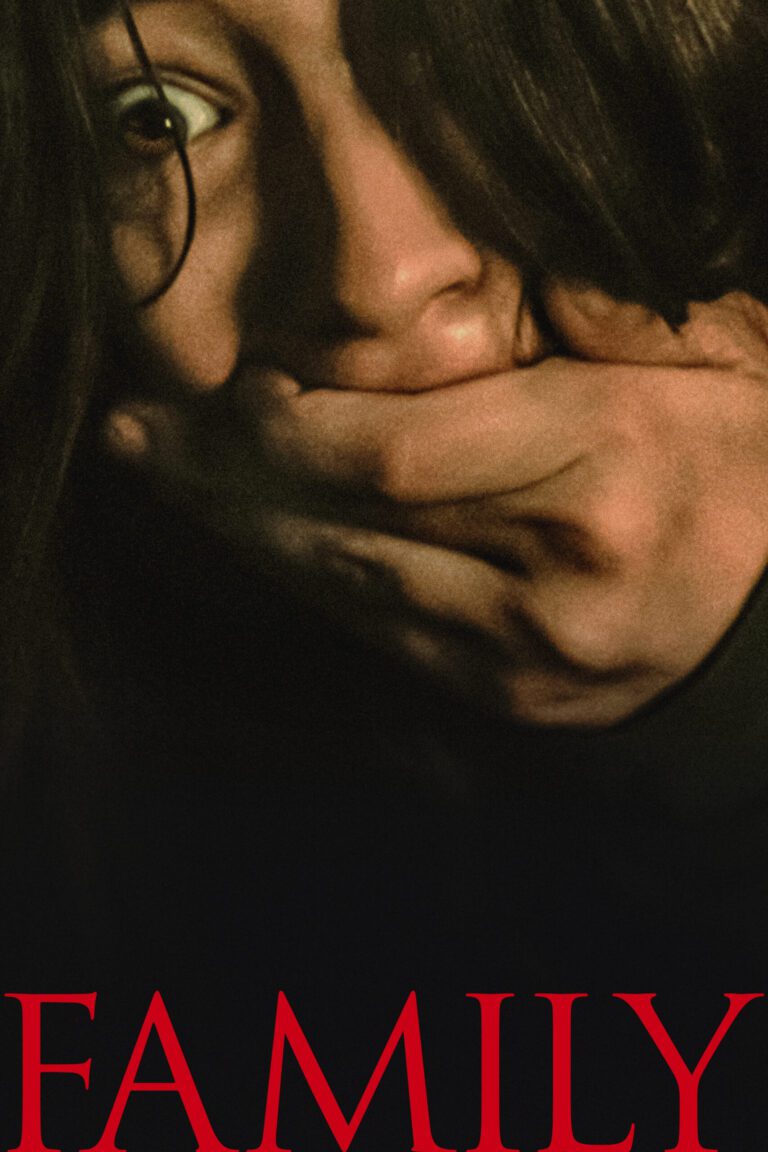
Vertical has scheduled the horror film Family for a theatrical and digital release on September 25, 2026.
Plot and Premise
Written and directed by Benjamin Finkel in his feature directorial debut, the story centers on a 10-year-old girl named Johanna. She becomes convinced that her parents are trying to kill her and that a sinister spirit is to blame, causing her to spiral into a haunting fantasy world that reflects her deepest fears.
Cast and Characters
Cameron Dawson Gray stars as the young protagonist, Johanna. She is joined by Ruth Wilson and Ben Chaplin, who portray her parents in the movie.
Thematic Roots
The film explores heavy themes of childhood grief and anxiety surrounding a father’s illness. Director Benjamin Finkel drew directly from his own life for the script, having started writing the story at the age of 14 after losing his father to cancer.
Festival Reception
Before arriving at its official theatrical and streaming release, Family first frightened audiences during its premiere at the SXSW film festival in 2024. Early reviews praised the movie for its oppressive, claustrophobic atmosphere, skin-crawling sound design, and effective use of the uncanny valley to distort familiar silhouettes.
Have horror news to share? Send us trailers, releases, festival updates or indie film announcements for possible coverage on LikeHorror. Submit News →
Insidious Universe Explained: 13 Facts Before Out of the Further
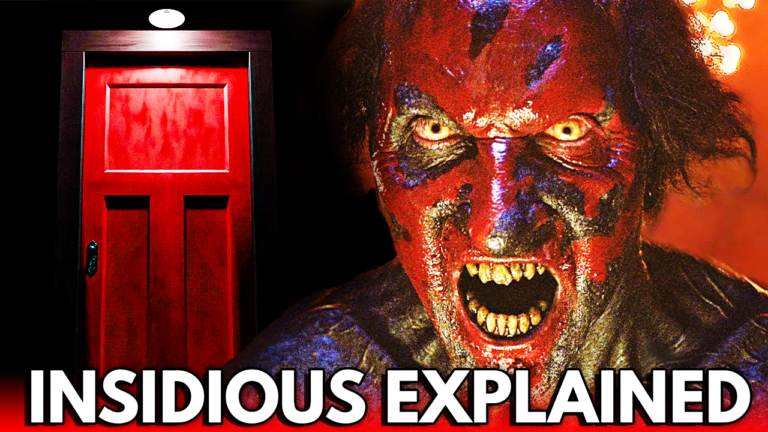
The Insidious timeline is filled with dark family secrets, dangerous spirits, and confusing journeys into the Further. These 13 essential facts will prepare you for Out of the Further.
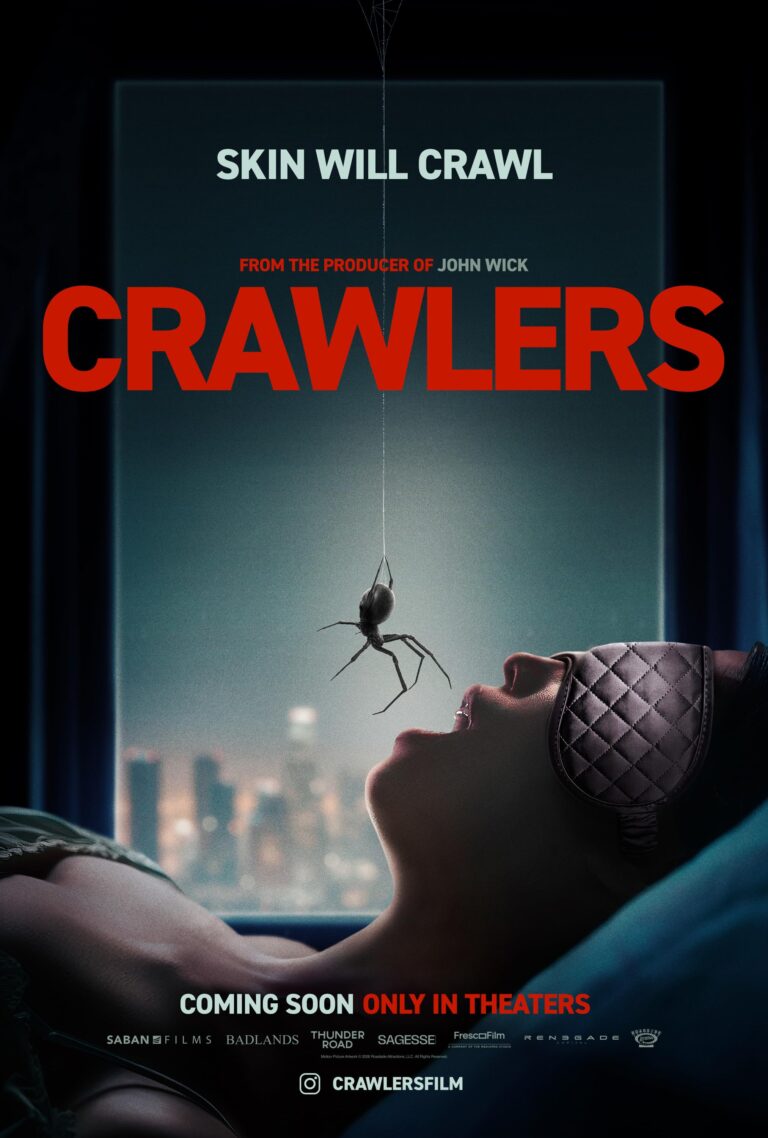
Crawlers Trailer Teases a New Nightmare
Not sure what to watch tonight? Let LikeHorror suggest a few scary picks and discover something that matches your mood. Get a Horror Pick →
Insidious: Out of the Further Opens Tomorrow, Here’s What to Expect at the Box Office
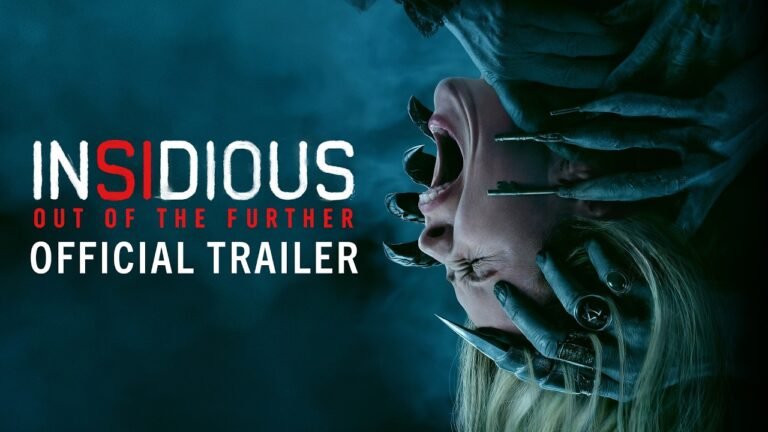
The Further is back, and it’s bringing some serious box office heat with it.
Sony Pictures releases Insidious: Out of the Further in roughly 3,000 North American theaters tomorrow, August 21. The studio is projecting an opening weekend of around $23 million. The film carries an $18 million production budget and comes from Screen Gems, Stage 6 Films, and Blumhouse Atomic Monster.
Tracking services are significantly more optimistic. @GlobalBoxOffice has it pegged at $26-$34 million domestically, calling it “the biggest August release of 2026,” with pre-sales on par with Insidious: The Red Door, which opened to $33 million in 2023.
The Competition
The one obstacle standing between Out of the Further and the number one spot is Spider-Man: Brand New Day, which is gunning for its fourth consecutive weekend at the top of the charts with a projected $40 million. A four-week reign at number one is a genuinely rare achievement. Jason Statham’s Mutiny also opens this weekend, targeting a modest $6-11 million from about 2,700 theaters, not a threat to the top two, but competition nonetheless. A 25th anniversary re-release of The Fast and the Furious rounds out the new openers, without any meaningful box office expectations.
The Franchise Context
The Insidious franchise has a strong August track record. The original 2011 film opened to $13 million and legged out to $54 million. Insidious: Chapter 2 set the franchise high watermark with a $40 million debut and $83 million domestic total. Insidious: The Red Door opened to $33 million in 2023 on its way to $82 million domestically.
Out of the Further is the sixth installment and introduces a fresh story, starring Amelia Eve as Gemma, a young mother who discovers she can travel into The Further and, more dangerously, bring what lives there back into the real world. Lin Shaye returns as Elise Rainier, alongside Brandon Perea, Maisie Richardson-Sellers, Sam Spruell, Island Austin, and Laura Gordon.
What to Watch For
Mid-to-high twenties is considered solidly achievable for the opening weekend, with any overperformance putting it in range of The Red Door’s $33 million debut. If Out of the Further can match or beat that number while Spider-Man is still in the picture, it would be one of the stronger franchise holdovers in recent horror memory.
Insidious: Out of the Further opens in theaters tomorrow, August 21, 2026.
Have horror news to share? Send us trailers, releases, festival updates or indie film announcements for possible coverage on LikeHorror. Submit News →
Why The Further Is the Heart of the Insidious Franchise
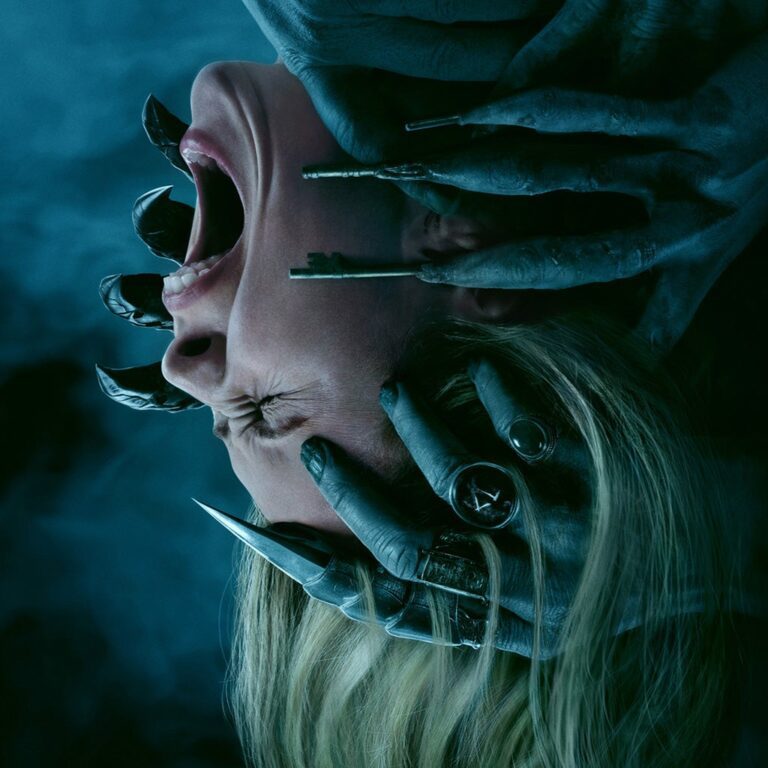
Ever since the original film quietly upended the modern ghost story, the Insidious franchise has shifted directions quite a bit. Over the past decade and a half, we have seen different timelines, new families, and a shifting gallery of memorable demons.
Yet throughout every twist, one core element has held the entire universe together: The Further. With Insidious: Out of the Further arriving in theaters on August 21, 2026, the franchise heads right back into that familiar, fog-drenched darkness.
Centered on a mother dealing with unexplained terrors in her childhood home, the new chapter highlights an essential reality: The Further is the engine that keeps this entire franchise moving forward.
What The Further Actually Is
The Further is the franchise’s purgatorial dimension. It is a realm where souls that never moved on drift around alongside things that were never human in the first place. It sits parallel to our world, and certain people can get there through astral projection—the idea that someone’s consciousness can drift out of their sleeping body while they dream.
In the original Insidious, this explains why Dalton Lambert falls into a bizarre, medically baffling coma. His spirit simply roams too far into the dark, leaving his body behind as an open invitation for opportunistic entities.
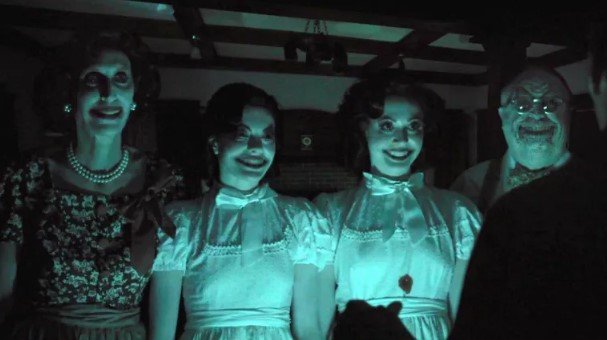
By building its fears around mental projection rather than just a spooky piece of real estate, the mythology blurs the boundary between life and death. The living can accidentally step into eternity, and the dead are constantly trying to cross the line back.
How The Further Became the Franchise’s Connective Tissue
While the story began firmly with the Lamberts, the creators quickly figured out that The Further offered a huge canvas to link entirely separate tales. In Insidious: Chapter 2, the realm transformed from a simple rescue zone into an eerie psychological maze where past trauma, childhood memories, and family secrets crossed paths.
It showed that trapped souls recreate scenes from their lives, turning ghostly encounters into raw reflections of guilt and fear. Even more important was parapsychologist Elise Rainier, who turned The Further into the series’ true backbone. Through Insidious: Chapter 3 and Insidious: The Last Key, Elise’s long history navigating the void showed the mythology could easily stand on its own without the original family.
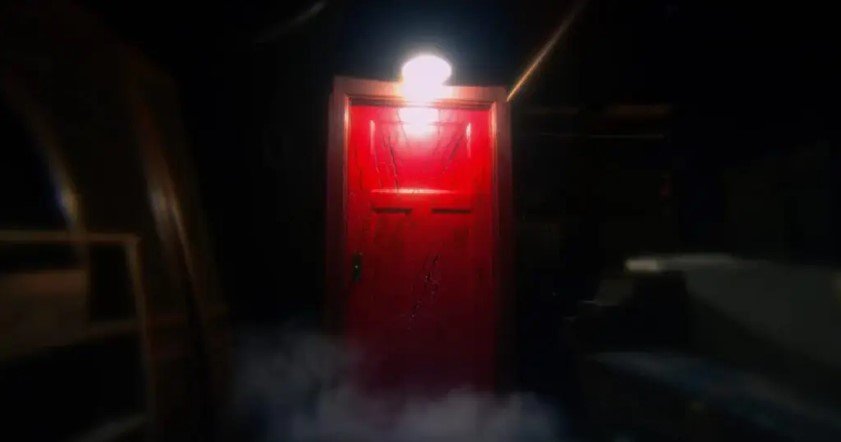
Her past proved that anyone with psychic sensitivity could end up there, giving the movies room to explore different eras and haunted lives. Even when Insidious: The Red Door returned to wrap up the Lambert saga, everything revolved around buried memories locked behind that signature red entrance.
New to LikeHorror? Explore our best lists, reviews, videos, fun posts and horror picks worth saving. Explore Highlights →
Across five films, the franchise never relied on a single monster or one family line. Instead, The Further became the shared anchor, allowing fresh faces, new haunts, and evolving scares to naturally share the same space.
Why The Further Is More Frightening Than a Typical Haunted House
A haunted-house movie usually gives its characters a way out. Leave the house, sell it, torch it, and the threat is done. The Further doesn’t offer that kind of relief, because it isn’t really a place so much as a condition.
Its layout shifts around a traveler’s memories and fears, so a character can walk through it and never really know whether what’s around them is real, remembered, or put there by something else. Getting in doesn’t mean understanding it. Entrance into this void just means exposure to it.
Time, identity, and the presence of the dead all blur together, and the things that live there are usually older than whatever human drama pulled a character in, which means every trip risks stirring up something unrelated to the story at hand.
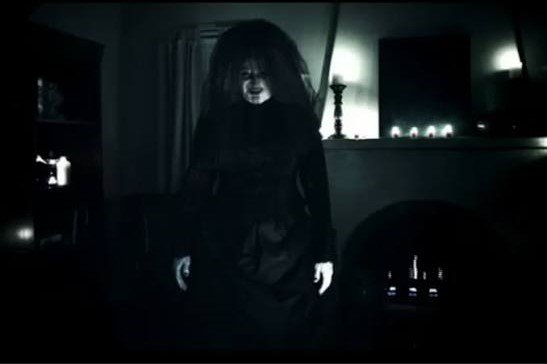
That unpredictability is the real difference between The Further as a setting and as a storytelling engine. A haunted house only has whatever already happened inside its walls to offer.
The Further can keep generating new threats, new histories, and new victims, which is exactly why the franchise has gone back to it so many times without repeating itself.
Why Insidious: Out of the Further Matters
That unique dynamic is why Insidious: Out of the Further is a genuine step forward and not another routine sequel. Gemma, played by Amelia Eve, is a young mother raising her daughter in the house she grew up in when she discovers she can travel into The Further.
What sets her apart from earlier leads is that her ability doesn’t stop at crossing over; per the official trailer, she can bring what lives in The Further back into the real world with her. Every previous entry treated the realm as somewhere the living entered and, with enough effort, escaped.
Gemma’s power flips that, suggesting the boundary this franchise has spent six films building can now be crossed from the other direction too, with fallout that reaches well past whichever family happens to be haunted this time.
That shift also raises the stakes for Elise Rainier, whose return ties this new premise back to The Further’s dangers since 2010. Her presence signals this expansion is building on the mythology, not breaking from it, against a threat none of the earlier films had to deal with.
Conclusion
In the end, what keeps Insidious going strong is not a single iconic monster or the struggles of one particular household.
Individual ghosts come and go, investigations wrap up, and families move on, but The Further remains the steady heart of the entire franchise.
It gives every chapter a shared language, bridging ordinary personal pain with chilling supernatural dread.
As Insidious: Out of the Further prepares to flip the rules between both worlds, it is clear that this dark dimension is still the anchor keeping the whole franchise alive.
Want to know what is worth your time? Read more LikeHorror reviews before choosing your next scary movie. Read Reviews →
Fantastic Fest 2026 Just Dropped Its Full Lineup, It’s Stacked
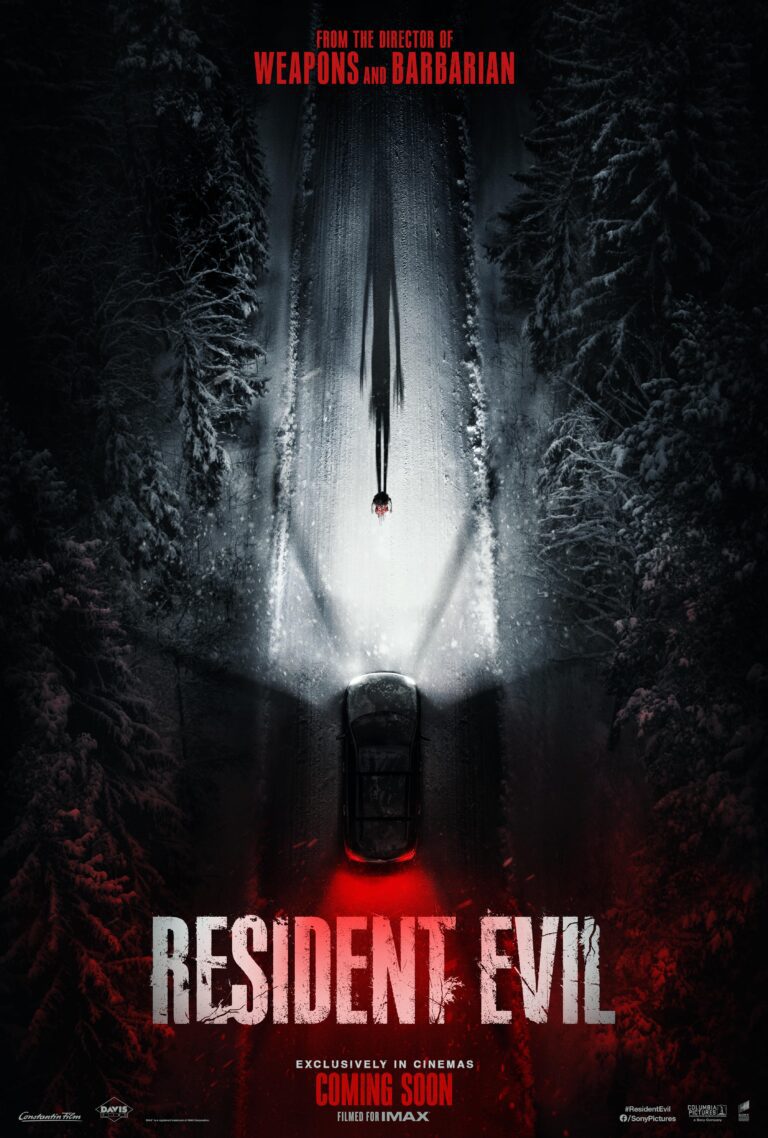
Austin’s greatest genre film festival just revealed its 2026 program, and it might be the best lineup in years.
Fantastic Fest runs September 17–24 at the Alamo Drafthouse South Lamar in Austin, Texas. This year’s 21st edition hosts 73 features and episodic projects, including 35 World Premieres.
Opening and Closing Night
The festival opens with Lionsgate’s creature feature Beware Boiúna, a medical mission in the Amazon goes horribly wrong when a colossal ancient serpent awakens to reclaim her domain. Zach Cregger’s Resident Evil screens the same night in a gala presentation. On the other end, Kevin Kölsch and Dennis Widmyer close the festival with The Swallow, a brutally efficient creature feature about rebellious teenagers terrorized by a sentient, quicksand-like sludge.
The Big Ones
Mike Flanagan returns to preview the first two US episodes of his Prime Video Carrie series, starring Summer H. Howell as Carrie White, ahead of its October 7 premiere. Victorian Psycho, starring Maika Monroe and Jason Isaacs, makes its North American Premiere. Body horror Bloody Tennis, starring Helena Zengel and Tom Hanks, premieres alongside it.
Shudder’s The Cycle, Jordan Downey’s World Premiere starring Deborah Ann Woll, follows a woman unraveling her father’s dark past after his body surfaces 36 years after he went missing. Adam Egypt Mortimer’s psychedelic horror Pathetic Fallacy, starring Kid Cudi, Jessica Rothe, Travis Fimmel, and Natasha Lyonne, also world-premieres here. So does What Happened to Doris?, Heather Graham’s film based on the real haunting that inspired The Entity. And Joko Anwar’s Ghost in the Cell, described as a blood-soaked fusion of supernatural horror, prison thriller, martial arts, and political satire, makes its North American Premiere.
Beyond the Films
Fantastic Pitches returns with a $100,000 grand prize judged by Gore Verbinski and Catherine Hardwicke. Restorations of Blood Feast (1963), Henry: Portrait of a Serial Killer (1986), and Hell House (2001) are also on the program, alongside Martin McDonagh’s Venice-debuted Wild Horse Nine starring Sam Rockwell and John Malkovich.
Festival Director Lisa Dreyer promises, “I guarantee we have the next batch of breakout directors in our lineup, and you’ll discover them first at Fantastic Fest.”
Last year this festival launched Obsession. It’s now closing in on $500 million worldwide. September 17 can’t come fast enough.
Have horror news to share? Send us trailers, releases, festival updates or indie film announcements for possible coverage on LikeHorror. Submit News →
Heather Graham Is Playing the Woman Nobody Believed, And the True Story Is Chilling
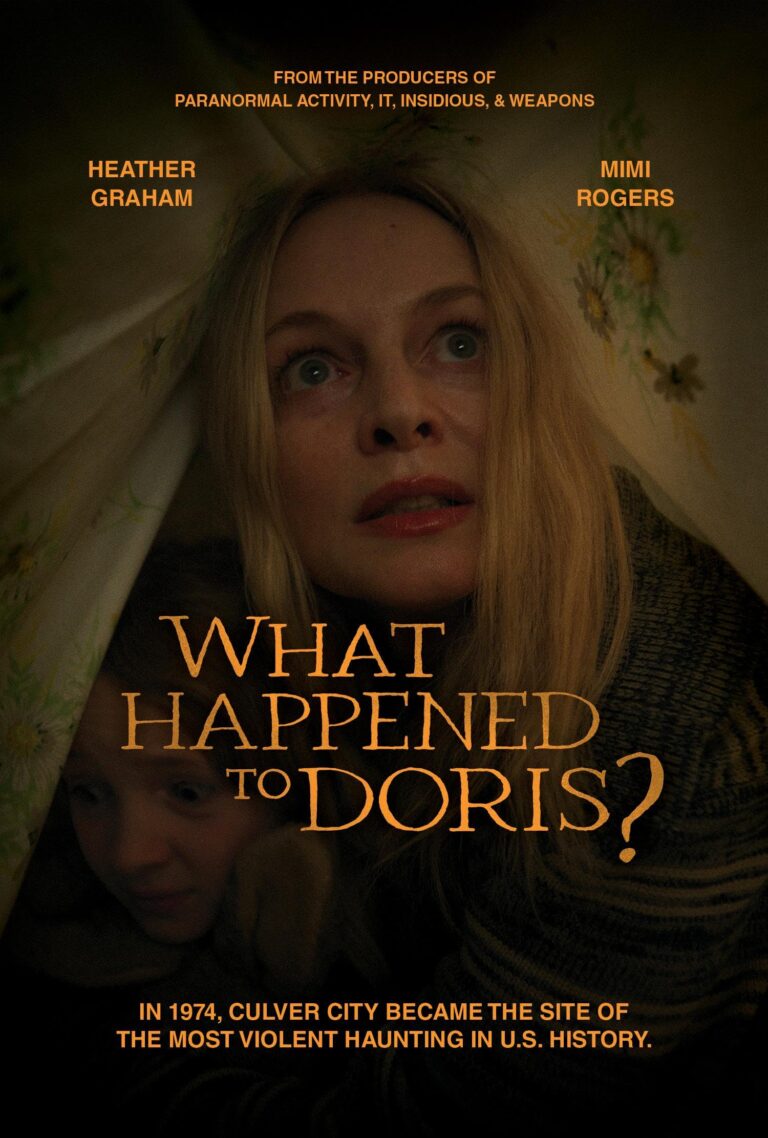
Before The Entity, there was Doris Bither. And for the first time, her story gets its own film.
Heather Graham (Suitable Flesh, They Will Kill You) stars as Doris Bither in What Happened to Doris? The supernatural horror film is based on one of the most documented paranormal cases in American history. Additionally, the first official image has arrived alongside confirmation that the film world-premieres at Fantastic Fest next month.
The True Story
In 1974, Doris Bither, a single mother living in suburban Los Angeles, reported being violently and repeatedly attacked in her home by an unseen entity. Nobody believed her. She eventually turned to a team of paranormal researchers who documented what they witnessed in her house as one of the most compelling and disturbing investigations of the era. Her case later inspired Frank De Felitta’s 1978 book The Entity, which became the controversial 1982 film of the same name starring Barbara Hershey, a film that generated significant backlash for its graphic content.
What Happened to Doris? goes back to the source. Previously titled Entity Within, it tells Doris’s story directly, on its own terms.
The Team
Nick Simon (The Girl in the Photographs) directs from a screenplay by Thomas Fenton (Saw IV). Steven Schneider, the producer behind Insidious and Paranormal Activity, produces alongside German Michael Torres. The supporting cast includes Mimi Rogers (Ginger Snaps), Morgan Peter Brown (Absentia), and Kevin Keppy (Smile). GVN distributes.
GVN’s Head of Production Missy Valdez put it simply: “This film is based on a true story and that truth is chilling. It is an honor and a challenge to bring Doris’s raw and terrifying experiences to the screen with care and dignity.”
What Happened to Doris? world-premieres at Fantastic Fest 2026. No wide release date has been set yet.
Have horror news to share? Send us trailers, releases, festival updates or indie film announcements for possible coverage on LikeHorror. Submit News →
A Blizzard, a Home Birth, and Something Terribly Wrong, Goody Goody Comes to Shudder in September
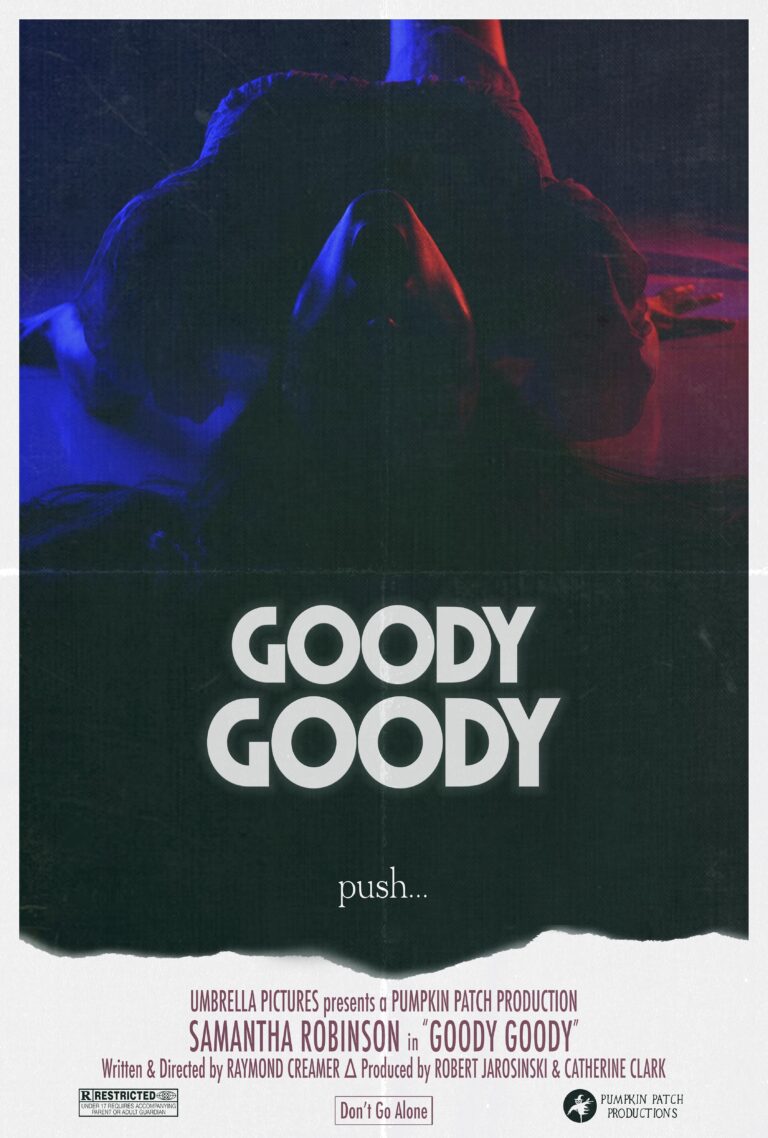
Shudder just unveiled a first look at its next horror film, and the premise alone is enough to make you deeply uncomfortable.
Goody Goody begins streaming exclusively on Shudder on September 18. Raymond Creamer writes and directs, marking his feature debut.
Expecting parents are in the middle of a long home birth process, attended by their midwife. A blizzard rages outside. Nobody can leave. As the hours stretch on, the parents and their midwife slowly begin to realise something is horribly wrong. Increasingly sinister complications arise, and with the storm locking everyone inside, there is nowhere to go and no help coming.
Colleen Foy (There Will Be Blood), Samantha Robinson (The Love Witch, Cam), Zoe Renee (The Hunger Games: The Ballad of Songbirds & Snakes), and Colby Hollman star.
What the Director Says
Creamer describes his vision plainly- “I’m obsessed with ghost stories and folklore, so I wanted this project to have a campfire tale or storybook quality to it. The cast is extraordinary, and working with Shudder has been a dream come true. I really hope horror fans get cozy and maybe light a couple candles when they give it a watch.”
A debut filmmaker. A home birth in a blizzard. Something wrong with the baby. Candles encouraged. Goody Goody is exactly the kind of quiet, specific horror premise that tends to get under your skin and stay there.
Goody Goody streams exclusively on Shudder starting September 18, 2026.
Have horror news to share? Send us trailers, releases, festival updates or indie film announcements for possible coverage on LikeHorror. Submit News →
Clown in a Cornfield (2025)
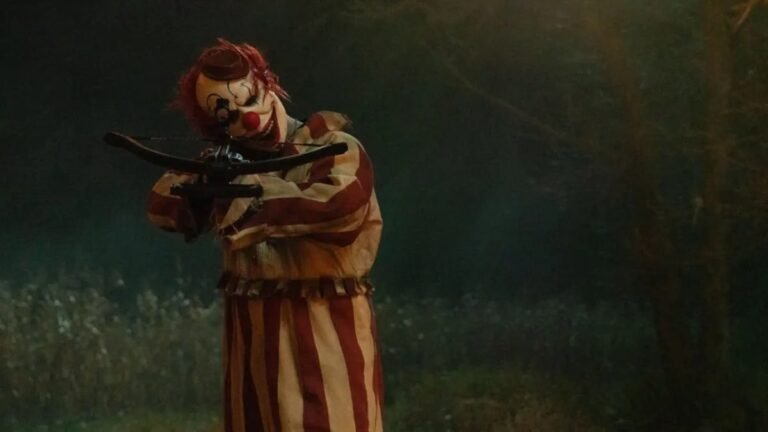
Small-town complacency has rarely tasted as bitter, or looked as violently garish, as it does in Eli Craig’s Clown in a Cornfield. Adapted from Adam Cesare’s acclaimed novel, the film trades cosmic dread for a blood-soaked dissection of generational warfare, toxic nostalgia, and the resentment simmering beneath the surface of small-town America.
The story drops Quinn Maybrook into Kettle Springs, a dying Midwestern town still lingering in the shadow of a burned-out corn syrup factory. Quinn arrives with her grieving father, hoping for a fresh start, only to discover that Kettle Springs is anything but peaceful. Beneath its quiet streets is a community divided by an increasingly bitter conflict between young people desperate to move forward and older residents determined to preserve a version of the past they believe is slipping away.
That tension eventually erupts when Frendo, the town’s grinning, bygone mascot, emerges from the cornfields. What initially looks like a supernatural slasher quickly reveals itself to be something much more human. The killer behind the greasepaint is not a demon or an otherworldly entity, but an ideological zealot using nostalgia as a weapon against the town’s younger generation. As the cornfields become a claustrophobic maze of violence, Quinn and her surviving classmates are forced to confront the horrifying reality that the adults around them are willing to destroy them in the name of preserving the past.
What Works ✅
Subversive Social Commentary
The film’s smartest idea is the way it turns Frendo into a symbol of toxic nostalgia. There is something inherently disturbing about a cheerful Americana mascot becoming the face of a campaign of violence, and Eli Craig makes that contradiction central to the film’s identity.
Frendo represents a past that refuses to die, even as those living in the present have moved beyond it. The film’s generational conflict is deliberately exaggerated, but that exaggeration gives its satire plenty of bite. Tradition, community pride, and nostalgia become increasingly sinister when they are used to justify controlling or eliminating anyone who does not fit the preferred image of the town. The result is a slasher that understands exactly how absurd its central conflict is while still taking its underlying anxieties seriously.
Relentless, Kinetic Pacing
Once Frendo emerges, Clown in a Cornfield rarely gives the audience time to breathe. Craig turns the wide-open farmland into an unexpectedly effective horror environment, using the cornfields, isolated properties, and sprawling rural landscape to create the feeling of a trap that keeps getting smaller. The film also understands the value of momentum. Kill sequences arrive with energy, while the dark humor prevents the violence from becoming monotonous. Rather than allowing the premise to become weighed down by its social commentary, Craig keeps the film moving toward its next chase, confrontation, or gruesome surprise.
Quinn’s Final Girl Evolution
Katie Douglas gives the film its emotional center as Quinn. What makes her performance work is that Quinn is not immediately presented as a perfectly prepared survivor. She begins as an outsider struggling to adjust to a new town while dealing with the emotional weight of her family’s circumstances.
Her transformation therefore carries genuine weight. As the violence escalates, Quinn becomes increasingly resourceful and determined without losing the vulnerability that made her compelling in the first place. By the time the film reaches its violent final stretch, her evolution from isolated newcomer to hardened survivor gives the carnage a much-needed emotional anchor.
Where It Falls Short ❌
The Mystery Is Easy to Crack
The film’s thematic ideas are more interesting than its central mystery. Horror fans familiar with the genre will probably identify the person behind Frendo’s mask well before the film confirms it.
The clues are not particularly subtle, and the screenplay does not provide enough genuine ambiguity to make the eventual revelation especially surprising. The mystery works as a vehicle for the film’s larger themes, but it is unlikely to leave experienced slasher viewers guessing for long.
Supporting Characters Lean Into Stereotypes
The film’s teenage ensemble occasionally falls victim to the same broad characterization that its satire embraces. Several of the younger characters are intentionally obnoxious, which makes sense within the film’s generational conflict, but it also makes some of the early deaths feel less consequential.
The constant rush toward the next set piece leaves little room to develop the supporting cast beyond their archetypes. Quinn is given enough depth to carry the emotional story, but the ensemble around her is less consistently memorable.
⚖️Final Verdict: 2.5/5
Clown in a Cornfield is a nasty, brightly colored, and fiercely entertaining neo-slasher that understands exactly how to turn a ridiculous premise into something surprisingly pointed. Frendo may look like a relic of a happier America, but the film uses that familiar grin to expose something considerably uglier: the resentment that emerges when nostalgia becomes more important than the people living in the present.
The predictable mystery and occasionally caricatured teenage characters keep it from reaching its full potential, but the film more than compensates with relentless pacing, vicious social commentary, inventive violence, and a strong central performance from Katie Douglas.
What begins as a story about a killer clown in a cornfield ultimately becomes a story about a town terrified of change. And in Clown in a Cornfield, the past does not simply refuse to let go. It comes back wearing a smile and carrying a weapon.