
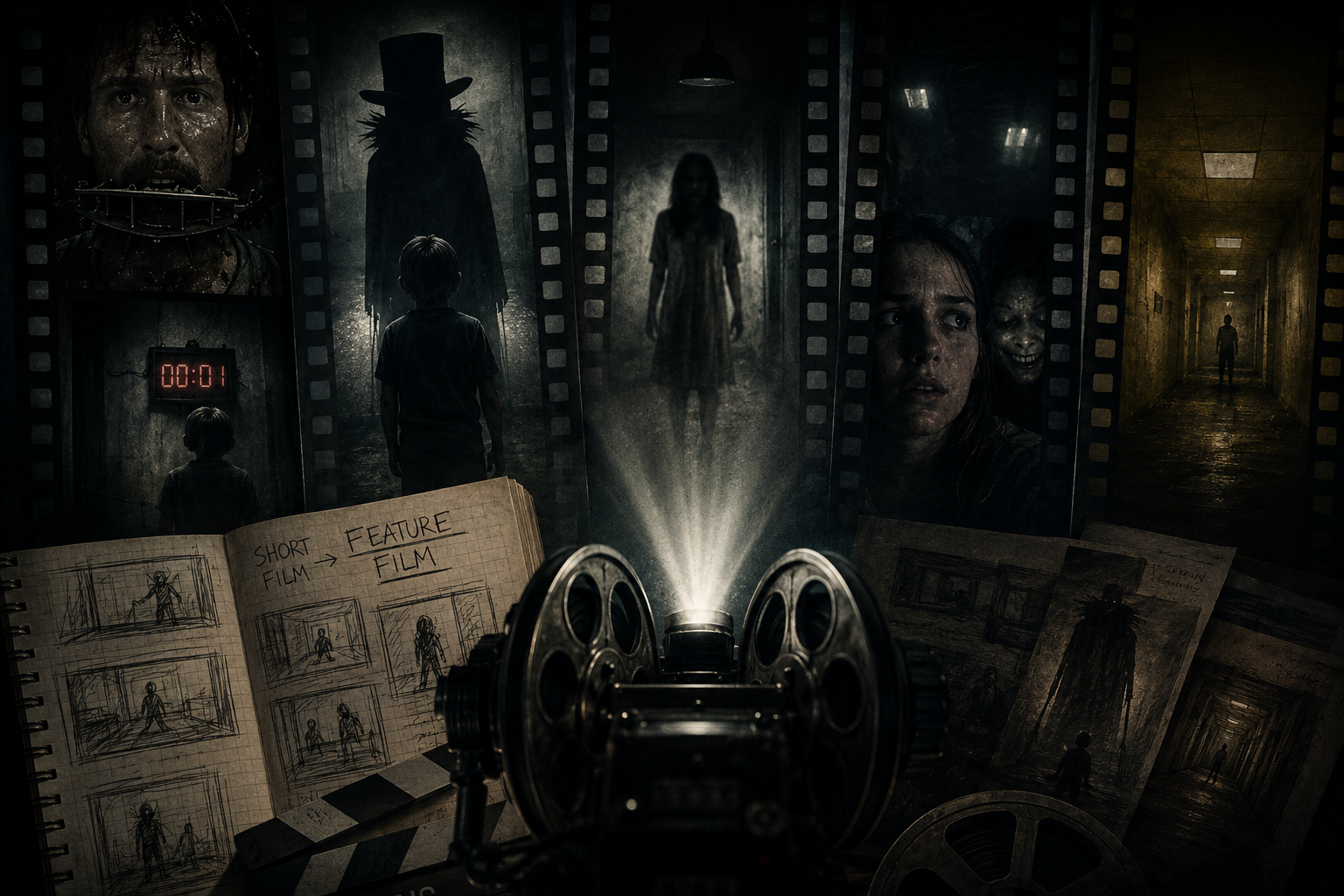
Not every horror classic begins as a feature film. Some start as short films made with limited budgets, small crews, and simple ideas, only to prove to be so resonant and effective that studios and filmmakers saw the potential for something much bigger.
Here, we have some of the best horror shorts that have successfully made the jump to feature-length films:
Saw (2003) | Feature: Saw (2004)
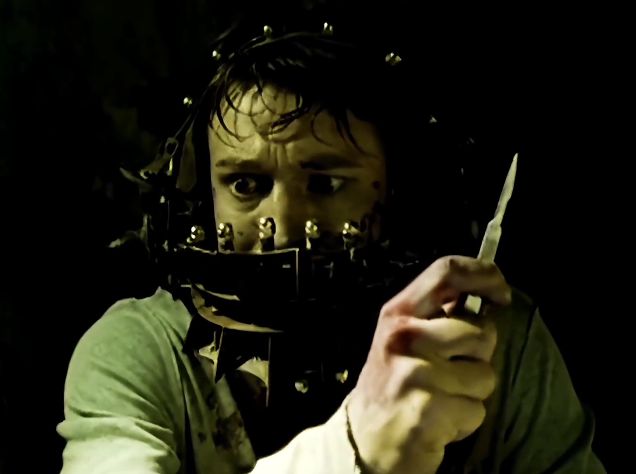
Before James Wan became one of horror’s most influential filmmakers, he and Leigh Whannell were trying to convince studios to take a chance on a screenplay they had been developing since 2001. They shot a nine-minute short film for roughly $5,000 to demonstrate what the concept could look like on screen.
The result was Saw (2003), a stripped-down exercise in tension. A man awakens with a deadly device locked to his head, racing against a ticking clock with no guarantee of survival. The short captures the relentless countdown dread that would later define the franchise, doing so with remarkable precision and confidence.
When Saw (2004) arrived a year later, it was produced in just 18 days inside an abandoned Los Angeles warehouse. Budget limitations shaped much of its visual style, from surveillance-like camera work to still photographs and fragmented editing. Those restrictions eventually became part of the franchise’s identity.
What makes the short so fascinating is how deliberate every moment feels. Every cut, camera angle, and movement serves a purpose. Looking back, it is easy to see why studios immediately recognized its potential. The short contained the DNA of a franchise that would go on to become one of horror’s most successful series.
Monster (2005) | Feature: The Babadook (2014)
Nearly a decade before The Babadook became one of modern horror’s most celebrated films, Jennifer Kent introduced audiences to a simpler version of the same nightmare in Monster.
The short follows a mother and child who believe a terrifying presence is lurking inside their home. What makes it effective is that the horror does not come from wondering whether the creature exists. Everyone already knows it does.
Kent builds tension through certainty. The creature is in the wardrobe. It is watching from the hallway. The audience shares that knowledge with the characters, creating a sense of dread that grows with every passing moment.
The feature adaptation expanded those ideas into a deeper exploration of grief, trauma, and motherhood. Yet Monster remains remarkably effective because of its simplicity. It trusts atmosphere, performance, and visual storytelling to do the heavy lifting without overexplaining itself.
Lights Out (2013) | Feature: Lights Out (2016)
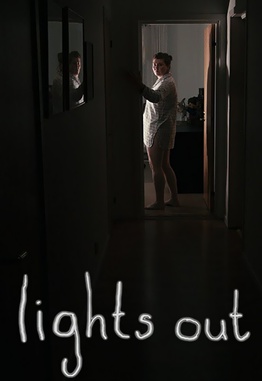
Couples David F. Sandberg and Lotta Losten made Lights Out (2013) for the Bloody Cuts Horror Challenge, and Sandberg walked away with the best director prize. The short follows a woman who notices a figure standing in the darkness. When the lights come on, it disappears. When they go off, it returns.
That simple concept became an internet sensation because it taps into a fear almost everyone understands. Sandberg wastes no time building mythology or explaining the threat. The short exists solely to deliver a terrifying idea with maximum efficiency.
Its success eventually attracted James Wan, who helped bring the concept to the big screen. While Lights Out (2016)introduced new characters and a larger story, the original short remains a masterclass in horror short filmmaking.
Laura Hasn’t Slept (2020) | Feature: Smile (2022)
The relationship between Parker Finn’s Laura Hasn’t Slept and Smile is the kind that makes you appreciate the feature more after you see the short. Watching Laura Hasn’t Slept after seeing Smile feels like discovering the blueprint behind the feature’s most memorable moments.
The short centers on Laura, a woman haunted by disturbing nightmares and a growing sense that something is following her. Parker Finn keeps the focus tightly locked on her experience, allowing the dread to build naturally rather than relying on constant jump scares.
When Smile arrived two years later, it expanded the concept into a larger story about trauma, fear, and a supernatural entity passed from person to person. The feature became a major success, but much of its power can be traced back to the foundation established in the short.
Where the feature explores the wider mythology, Laura Hasn’t Slept stays trapped inside a single horrifying perspective. It allows viewers to experience the terror directly rather than observe it from a distance.
The short premiered at SXSW in 2020, winning the Special Jury Award for the Midnight Short category. That recognition eventually led to Paramount backing Finn’s feature adaptation. Watching it today makes it easy to understand why.
The Backrooms (YouTube Series, 2022) | Feature: Backrooms (2026)
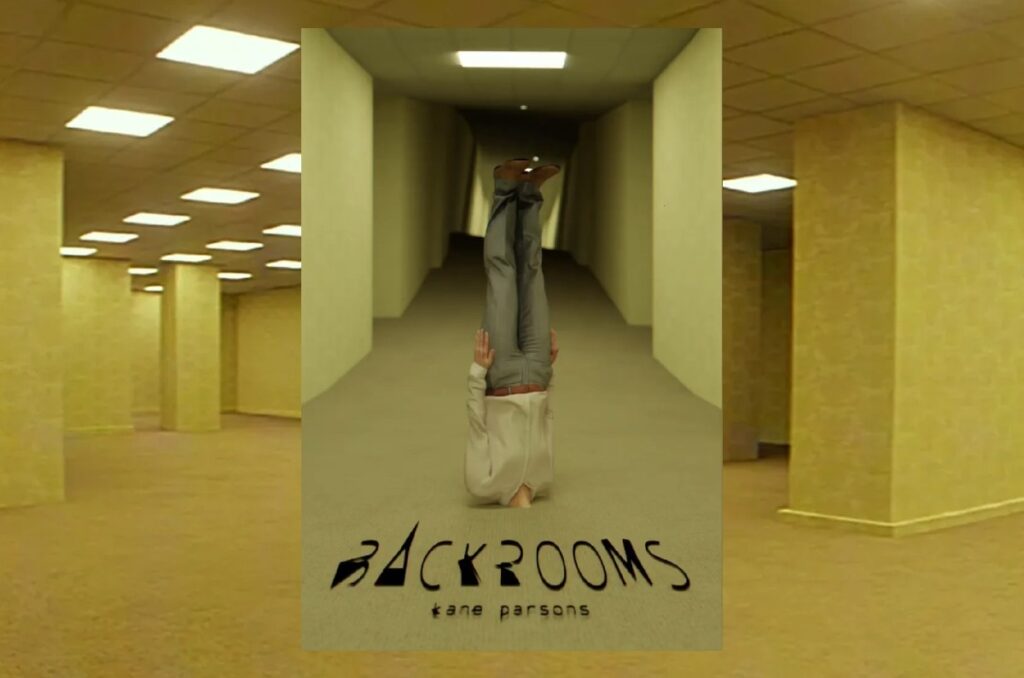
Before Kane Parsons became the youngest director in history to reach number one at the global box office. Before A24, James Wan, Shawn Levy and Osgood Perkins arrived to give the Backrooms a cinematic form, it was already a world unto itself.
Parsons’ The Backrooms is a 24-episode YouTube series short with tens of millions of views and a devoted community built around the creeping internet mythology of liminal spaces.
The series follows the fictional Async Research Institute as it investigates the strange anomalies hidden within the Backrooms. Through fragmented storytelling and unsettling imagery, it gradually expands the mythology while maintaining an atmosphere of uncertainty.
The 2026 feature adaptation explores the concept on a larger scale, but the original series remains impressive because it never feels like a simple proof of concept. It stands on its own.
The endless corridors, and constant feeling that something is lurking just beyond view create a type of dread that few projects manage to sustain. Even without a feature attached to it, The Backrooms would still be one of the most influential horror shorts of the decade.
Read Next >>>> Scariest Found Footage Movies Ranked
Ready for something even more unsettling? Discover the scariest found footage movies ranked from unsettling to nightmare.
See full ranking here.
