
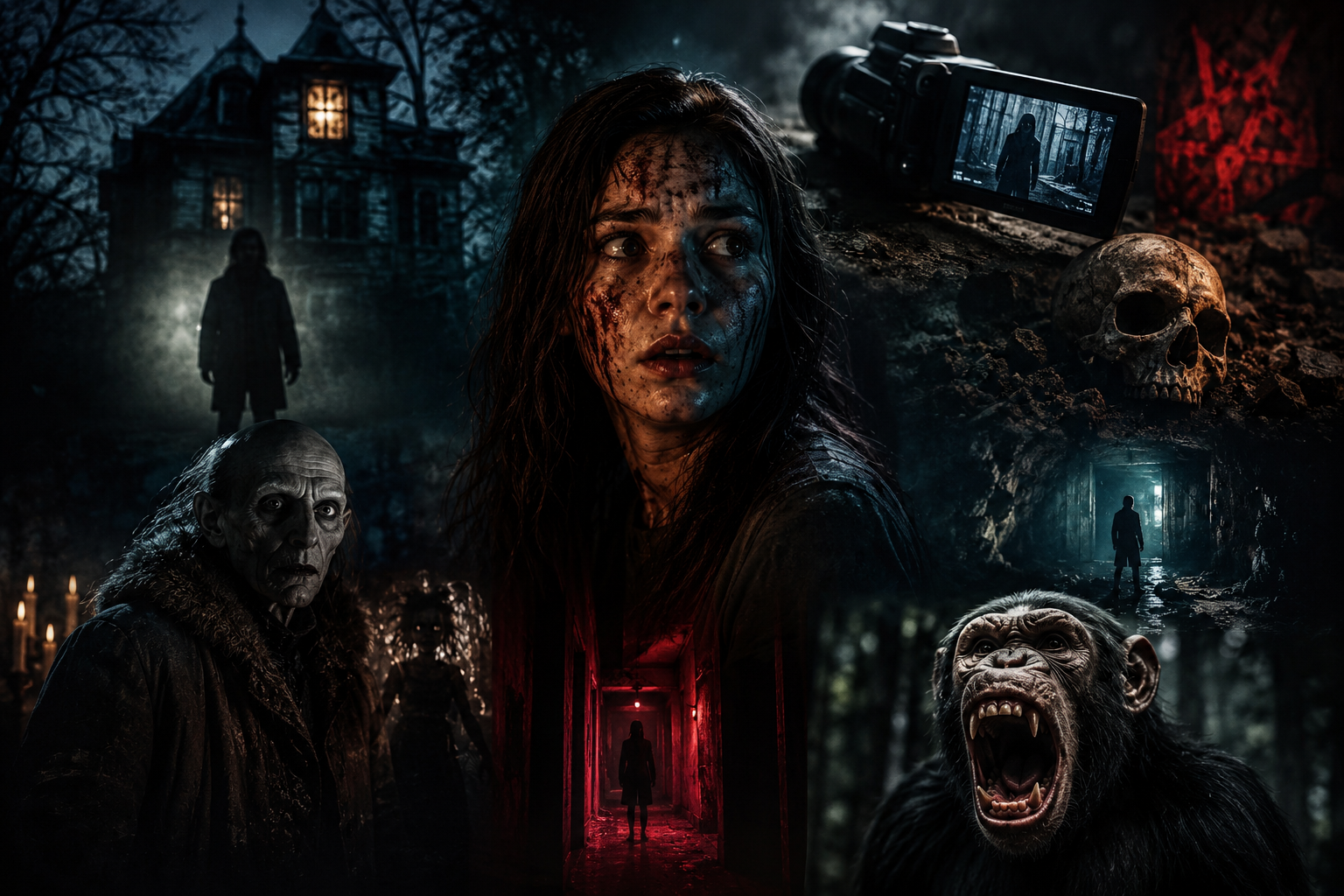
Indie horror is where the genre still takes real risks. While major studios keep chasing franchises, familiar monsters and safe formulas, smaller filmmakers are building stranger, rawer and more personal nightmares.
Some of these movies do not have massive marketing campaigns. Some barely get the attention they deserve. But they prove that horror does not need a giant budget to feel dangerous.
From one-take panic to gothic vampires, emotional zombie stories and folk horror built around sound, these are indie horror movies you probably missed — but should not ignore.
Here’s a list of the best indie horror movies you probably missed:
Top Indie Horror Movies You Probably Missed
MadS (2024)
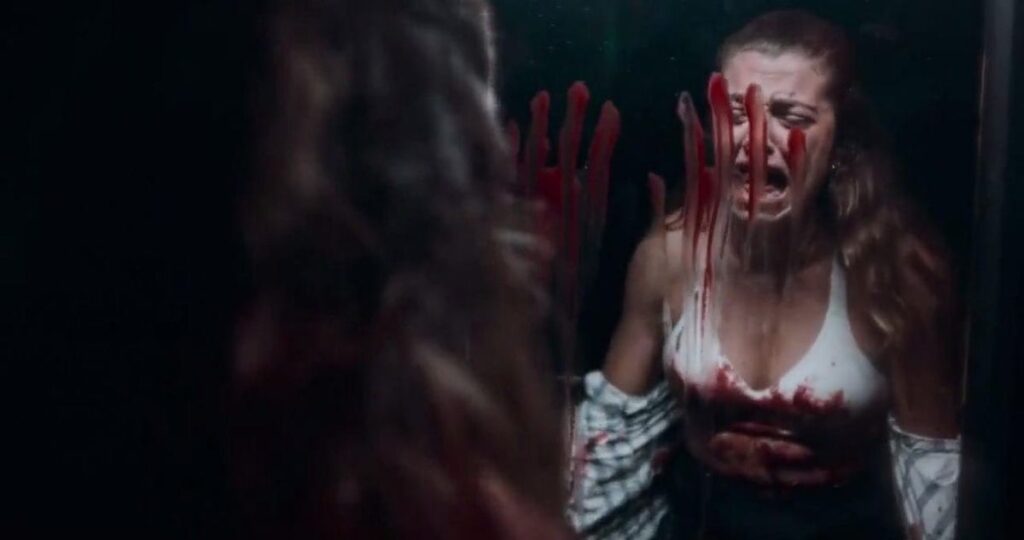
If there is one horror movie designed to make viewers feel trapped, it is MadS. Filmed as one continuous unbroken shot, the movie follows a teenager whose night spirals into chaos after encountering an injured woman on the road.
The lack of cuts creates a suffocating sense of immediacy. There is no escape from the growing panic, confusion, and violence unfolding around the characters. Instead of feeling like a polished horror production, the film feels raw and dangerously close to reality. It is an intense psychological experience that proves technical creativity can amplify fear when used correctly.
The Vourdalak (2024)
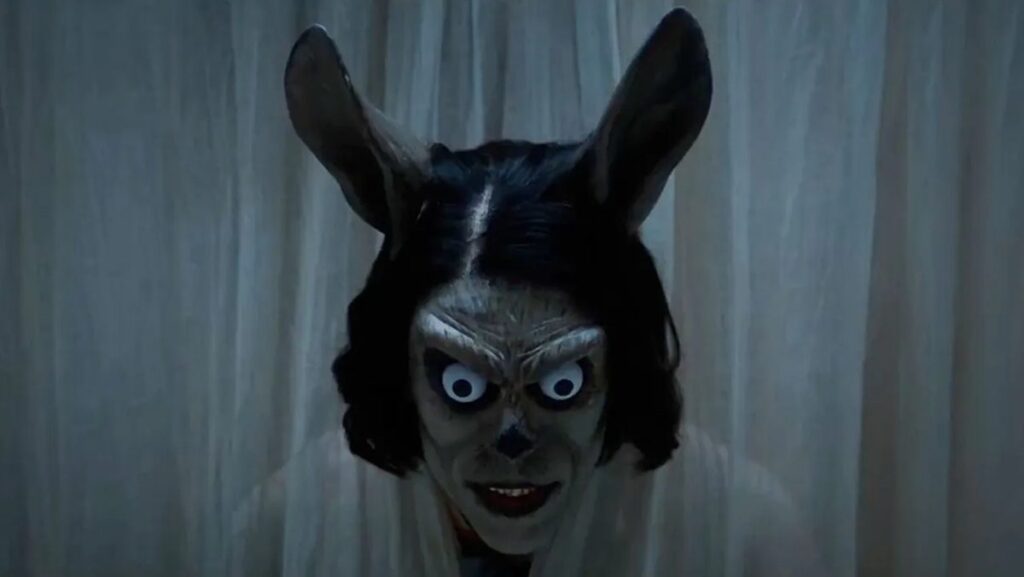
The Vourdalak feels like a gothic nightmare pulled straight out of another century. The film embraces old-school horror techniques by using a life-sized practical puppet instead of digital effects for its vampire creature.
That creative choice gives the movie an unsettling quality that modern CGI often struggles to capture. Every movement feels unnatural in the best possible way. Combined with its eerie atmosphere and slow-burning storytelling, the film becomes a haunting tribute to classic European horror cinema.
We Bury the Dead (2024)
Zombie stories rarely feel emotional anymore, but We Bury the Dead takes a very different approach. Starring Daisy Ridley, the film focuses less on large-scale chaos and more on grief and emotional survival.
The story follows a woman working with a body retrieval unit after a devastating military disaster, only to discover that some of the dead are not staying dead. Instead of focusing entirely on horror spectacle, the movie uses its zombie backdrop to explore loss and trauma in a grounded, human way.
Rabbit Trap (2025)
Sound becomes the true source of terror in Rabbit Trap, a chilling folk horror film starring Dev Patel. Set in the 1970s, the story follows a couple documenting rare birds who accidentally record a strange and ancient sound hidden within nature.
The film uses audio brilliantly, creating fear through distorted noises, silence, and unsettling environmental sounds. Instead of constantly showing horror on screen, it lets viewers imagine it, which often makes the experience even more disturbing.
Primate (2025)
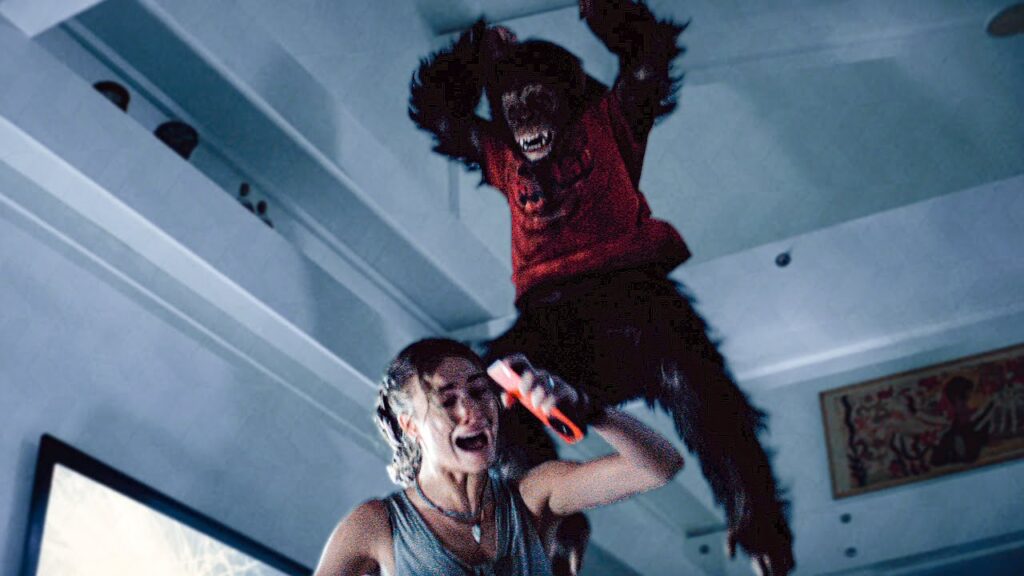
With Primate, director Johannes Roberts returns to stripped-down survival horror. The story centers on a family vacation that turns into a nightmare after a pet chimpanzee becomes dangerously violent.
The film keeps things simple but effective. Rather than overcomplicating the plot, it focuses on tension, panic, and survival. Its fast pacing and claustrophobic atmosphere help transform a familiar creature-feature concept into something genuinely stressful.
Obsession (2025)
Obsession takes a familiar “be careful what you wish for” concept and twists it into something deeply uncomfortable. Directed by viral filmmaker Curry Barker, the film follows a lonely man who turns to a mysterious tree in hopes of winning over his crush.
What begins almost like a dark fantasy gradually transforms into psychological horror. The movie constantly shifts tone, keeping viewers unsure of where the story is heading next. That unpredictability becomes one of its greatest strengths.
Mother of Flies (2025)
Created by the independent filmmaking collective known as the Adams family, Mother of Flies blends emotional drama with occult horror. The story follows a family dealing with terminal illness before desperation pushes them toward dark supernatural practices.
The film works because it grounds its horror in emotional pain. Rather than relying solely on scares, it explores grief, helplessness, and the terrifying things people are willing to do when faced with loss.
Hokum (2026)
Irish folklore and haunted spaces collide in Hokum, directed by Damian McCarthy. The film stars Adam Scott as a novelist staying in a remote hotel while mourning his parents.
As strange stories surrounding the building begin to surface, the atmosphere grows increasingly oppressive. McCarthy relies heavily on silence, timing, and architectural tension rather than constant jump scares. The result is a ghost story that feels patient, eerie, and deeply immersive.
Why Indie Horror Movies Leave a Lasting Impact
What makes indie horror so memorable is the atmosphere these films create and the emotions they leave behind long after the credits roll.
Instead of having polished and distant filming, these stories feel personal, as though they could happen in the real world.
Another reason indie horror works so well is its willingness to leave questions unanswered. When films refuse to explain every detail, viewers naturally begin filling in the blanks themselves. That uncertainty keeps the fear alive even after the movie ends.
A lingering hallway shot, an unexplained sound, or a moment of silence can become more haunting than any monster reveal.
That is why many of the best indie horror releases stay with audiences for years. They do not just try to scare viewers in the moment. They create feelings of discomfort, paranoia, grief, or dread that quietly follow audiences afterward.
Conclusion
Independent horror continues to prove that creativity matters far more than budget size. While major studios often focus on scale and spectacle, indie filmmakers consistently find new ways to make horror feel intimate, emotional, and deeply unsettling.
If you haven’t seen these films yet, they are a reminder of why indie horror matters. The best small-budget horror does not just chase bigger scares. It finds stranger ideas, rougher edges and more personal nightmares — the kind that stay with you because they feel less manufactured.
