


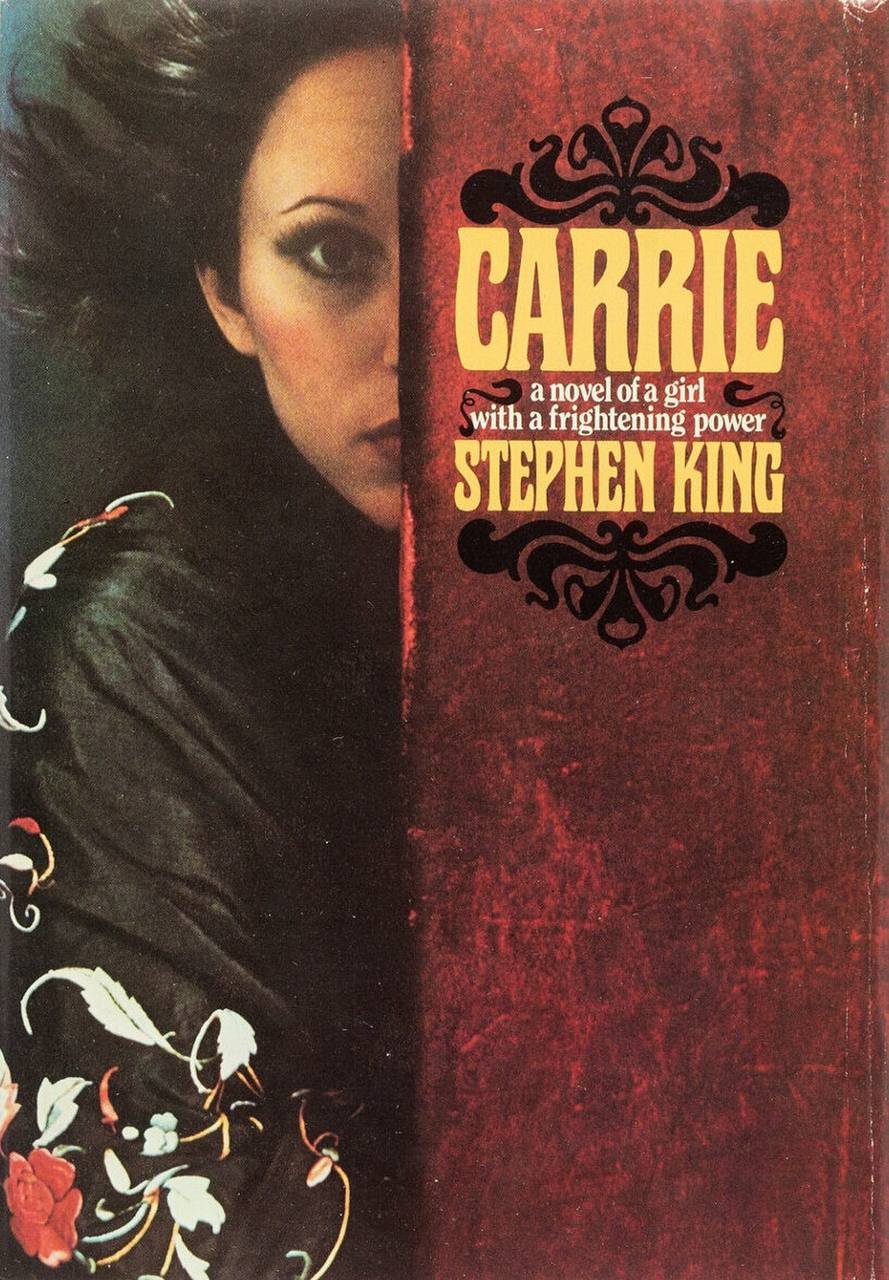
Stephen King’s Carrie has made its way to the screen several times, with each adaptation bringing something different to the story. From Brian De Palma’s influential 1976 film to Mike Flanagan’s recent television series, filmmakers have continued to revisit the troubled teenager and her terrifying abilities.
With the latest adaptation giving the story another fresh take, it is a good time to look back at how each version has reimagined King’s horror classic.
Spoiler warning: The following article discusses major story developments and endings from the novel and its screen adaptations.
Stephen King’s Carrie: The Novel That Started It All
Before exploring how each adaptation reimagined the story, it is worth returning to the source of it all. Published in 1974, Carrie was Stephen King’s first published novel.
The story follows Carrie White, a socially isolated teenager raised by her abusive and deeply religious mother, Margaret. After years of humiliation at school and repression at home, Carrie’s telekinetic abilities begin to emerge. When a cruel prank at her senior prom pushes her beyond her limits, she unleashes her powers against the people who tormented her.
One of the things that makes the novel stand out is its unusual structure. Alongside the main story, King used fictional newspaper reports, interviews, books, and other documents to piece together the events surrounding Carrie’s destruction.
This gave the novel the feeling of a tragedy being investigated after it had happened. It also set up the central conflict that each adaptation would have to interpret in its own way, particularly whether Carrie should be seen as a victim, a threat, or a combination of both.
Carrie (1976): Brian De Palma’s Landmark Adaptation
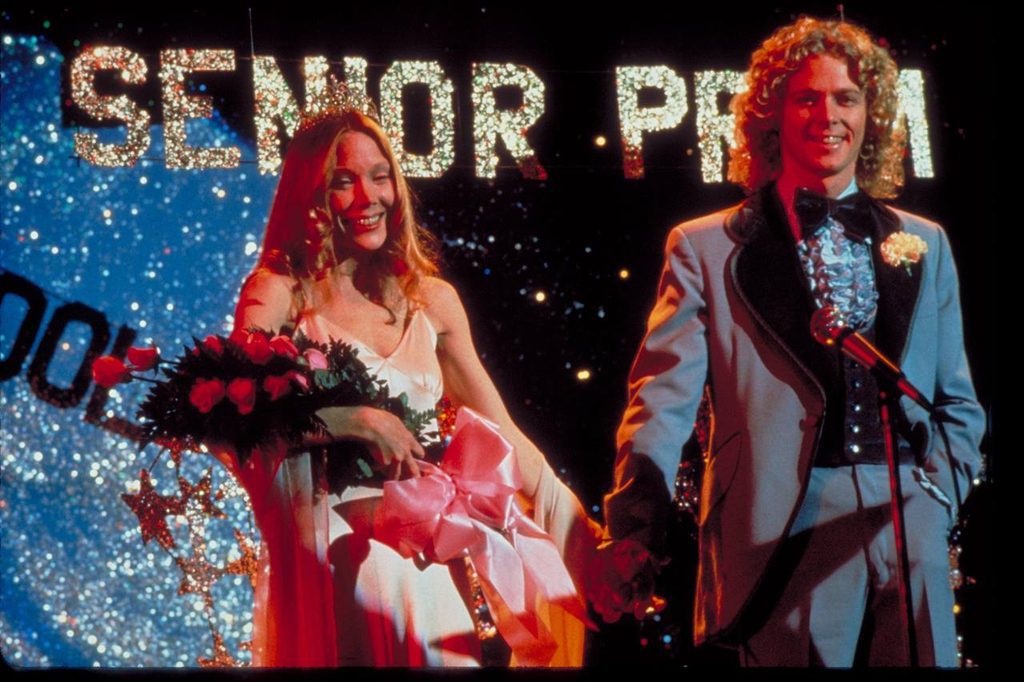
Directed by Brian De Palma, the 1976 adaptation was the first feature film based on King’s novel. Starring Sissy Spacek as Carrie and Piper Laurie as Margaret, the film brought the characters to life while making several creative choices that helped it develop an identity of its own.
At the time, Spacek wonderfully captured Carrie’s awkwardness and vulnerability, especially during the locker-room scene where her classmates mock her after she experiences her first period.
Laurie, on the other hand, made Margaret genuinely frightening, portraying her religious beliefs as the driving force behind much of the abuse Carrie faced at home.
De Palma also gave the story a distinctive visual style. The prom sequence is a particularly memorable example, using split-screen editing at key moments to show the growing chaos as Carrie loses control.
While the film follows the novel’s major events, its cinematic approach gave the climax a different impact from King’s documentary-style storytelling.
The film received two Academy Award nominations, with Spacek nominated for Best Actress and Laurie for Best Supporting Actress. Its success helped establish Carrie as one of the most recognizable horror stories in cinema.
Carrie (2002): A Different Take on the Story
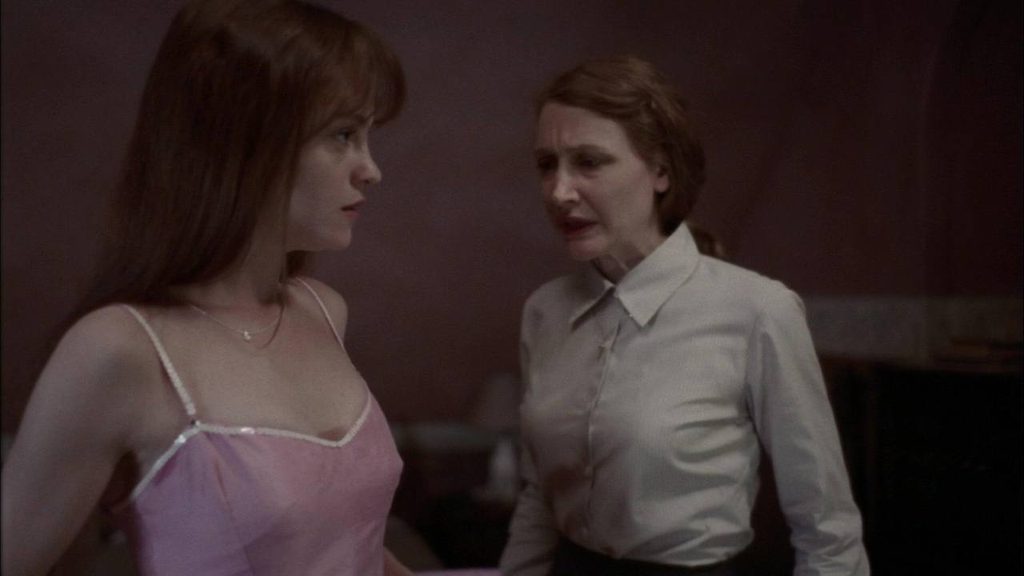
The 2002 television adaptation, directed by David Carson, took a somewhat different approach, with Angela Bettis playing Carrie and Patricia Clarkson taking on the role of Margaret.
Rather than simply recreating De Palma’s film, this version incorporated elements of King’s original novel, including its investigative framing, while still making major changes of its own.
The biggest difference, however, comes at the end. Unlike the 1976 film and the novel, the 2002 version allows Carrie to survive the events of prom.
This changed how the story ends and took the adaptation in a different direction from the tragedy audiences were already familiar with.
Although this version attempted to revisit the source material, it did not leave the same lasting impression as De Palma’s film. Still, its alternative ending made it an interesting entry in the history of Carrie adaptations.
Carrie (2013): Revisiting the Story for a New Generation
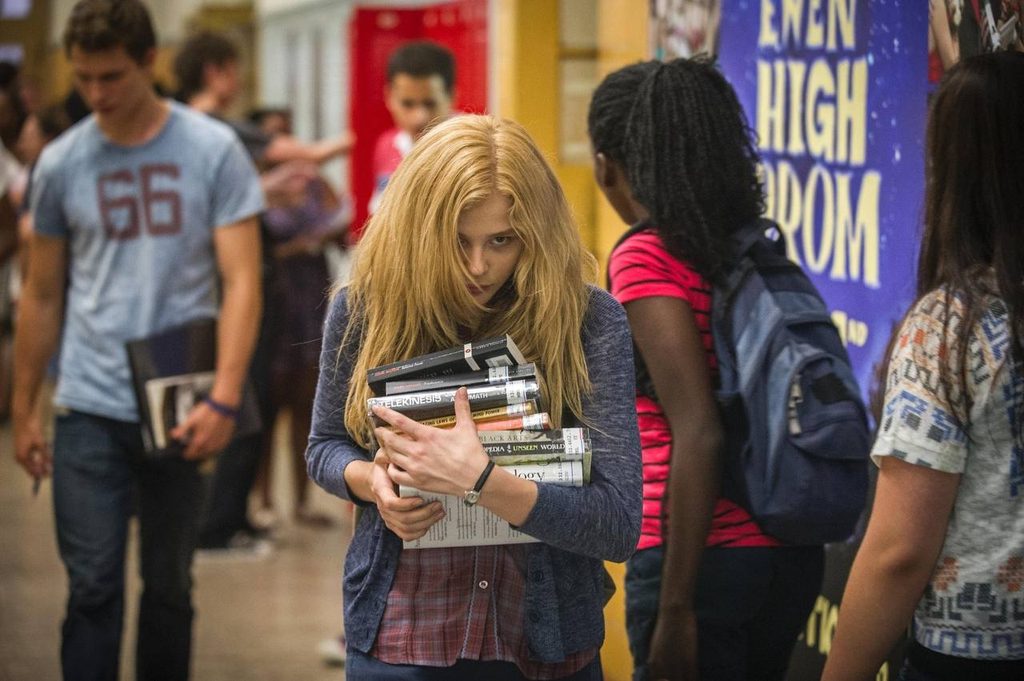
Nearly four decades after the original film, director Kimberly Peirce returned to King’s story with Chloë Grace Moretz as Carrie and Julianne Moore as Margaret. This version keeps the familiar storyline but updates several elements to reflect how teenagers experience bullying in a more connected world.
One of its biggest creative changes is the use of smartphones and social media. Carrie’s humiliation in the school locker room is recorded and shared online, turning an already painful experience into a public spectacle. It gave the bullying a more modern feel, showing how cruelty can follow a person beyond the school environment.
Peirce also put more emphasis on Carrie’s desire for acceptance and the emergence of her abilities. In an interview with Entertainment Tonight, the director discussed modernizing the story by incorporating cyberbullying as an important part of the film.
While the 2013 adaptation revisits several memorable scenes from De Palma’s version, its approach remains closely tied to the original novel’s themes.
It also offers another interpretation of Carrie and Margaret’s relationship, with Moore portraying a mother whose religious fanaticism is accompanied by clear signs of psychological instability.
Carrie (2026): Mike Flanagan’s Reinvention of Stephen King’s Novel

The latest adaptation takes the story beyond the limitations of a feature film. Developed by Mike Flanagan, the eight-episode Prime Video series stars Summer H. Howell as Carrie and Samantha Sloyan as Margaret.
Rather than squeezing King’s novel into a single movie, Flanagan uses the longer format to explore the characters and events surrounding the prom massacre in greater detail.
One major change involves Carrie’s father. In the novel, Ralph White is dead before the main story begins, but the series makes his death the event that pushes Carrie into public school for the first time, giving her a different starting point for experiencing the outside world.
Margaret is reimagined as well. Although she remains deeply controlling and abusive, the series presents her as a mother whose love and fear contribute to the restrictions she places on Carrie, making their relationship more complicated.
The series also builds on the idea of other women with extraordinary abilities. Through Emaline, played by Thalia Dudek, Flanagan develops this idea into a wider storyline that connects Carrie to a larger history of women with extraordinary powers.
But perhaps the biggest departure comes during the prom massacre. Rather than acting entirely alone, Carrie allows Emaline to take control of her for part of the destruction.
Carrie eventually survives the event, allowing the story to continue beyond the tragedy that defined the novel and the 1976 and 2013 films.
That change was central to Flanagan’s plans for the character. He recently described his dream direction as a three-season story, giving Carrie a wonderful three-step character arc.
Prime Video has since officially renewed the series for a second season, bringing that vision closer to reality, although a third season has not been confirmed. With Carrie’s story extending beyond prom night, Flanagan has opened the door to a larger story than the one King originally told.
