


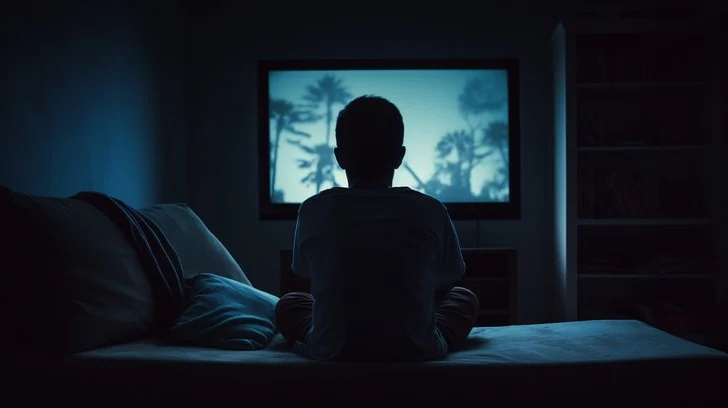
Why would any sane person voluntarily increase their heart rate to 120 beats per minute while sitting perfectly still? We are the only species that pays to be terrified, but there is a science to the ‘safe-scare,’ and choosing the right time to watch is the difference between a fun shot of adrenaline and a week of checking behind the shower curtain.
Let’s be honest, watching The Conjuring at 2:00 PM on a sunny Sunday while your neighbor mows the lawn just isn’t the same. Why? Because the sun is a giant “safety blanket” for your brain. When the room is flooded with light, your eyes can verify every square inch of your surroundings. You know there isn’t a demonic animal behind the armchair because you can clearly see the pile of laundry sitting there instead. But the moment you flip that light switch, the game changes. This is sensory deprivation in action.
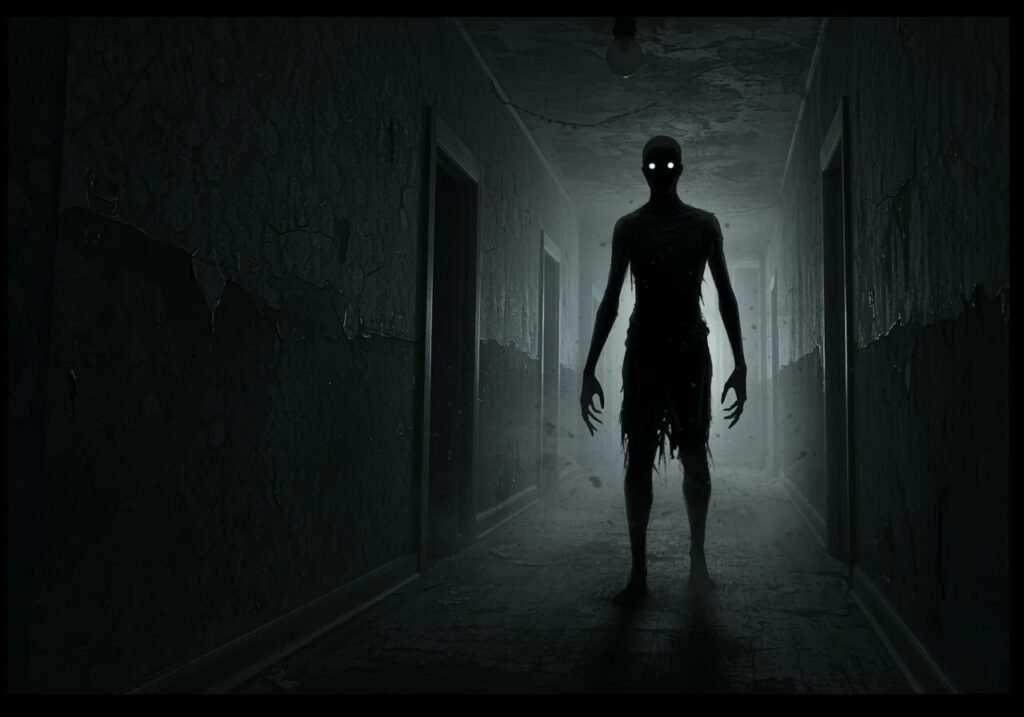
When you strip away your vision, your brain, which is a bit of a control freak, gets hit with a massive case of FOMO (Fear Of Missing Out). To compensate for the shadows, it cranks your hearing and imagination up to 100%. Suddenly, the house settling sounds like a footstep, and that pile of laundry on the chair starts looking a lot like a crouched figure.
The best time to watch horror is when the “darkness does the heavy lifting.” By choosing the right hour, you’re letting your own mind provide the special effects. You aren’t just watching a screen anymore; you’re inviting the movie to move into the corners of your room.
The safe scare setup: Mastering The Glow
If you’re going to do it, do it right. You can’t reach peak terror if you can see your laundry basket in the corner of your room. To transform your living room into a cinematic gauntlet, you have to manipulate your environment like a Hollywood set designer. Here’s how to prepare your space for the ultimate psychological thrill.
Nothing kills a “vibe” faster than a harsh 60-watt bulb. Overhead lighting is the enemy of immersion; it flattens the room, highlights the dust on your coffee table, and reminds your brain that you’re just sitting in a boring, safe apartment. To let the movie take over, you need to “shrink” the world. By turning off the big lights, you are essentially telling your brain that the “real world” has ceased to exist, leaving the screen as your only source of truth.
If there is zero light, your eyes will strain and get tired, leading to “screen fatigue.” Instead, try a Shadow Anchor. Place one tiny, dim lamp or a stray LED strip behind your TV or in the far corner of the hallway. This creates a “halo” effect. By providing just a tiny sliver of light, you make the surrounding shadows look even deeper. It gives your imagination a high-contrast canvas to paint monsters on.
The Friday Night Reset: Horror as Emotional Catharsis
It sounds backwards, doesn’t it? After a grueling forty-hour work week filled with “per my last email” and looming deadlines, the last thing you should want is to watch a masked killer chase teenagers through the woods. You’d think we’d all be reaching for cozy baking shows or sitcoms. But there is a secret, psychological magic to choosing a nightmare at the end of a long week, the Emotional Purge.
Psychologists call this “Catharsis.” Throughout the week, we accumulate a mountain of “micro-stress,” the kind of low-level anxiety that doesn’t have an easy exit. When you sit down on a Friday night to watch a high-stakes horror film, you are giving all that pent-up energy a target. Your brain doesn’t distinguish between “I’m stressed about my taxes” and “I’m stressed about that ghost in the basement.” It just knows that the adrenaline is pumping.
By choosing to watch horror on a Friday night, you’re essentially “flushing the system.” You aren’t just watching a movie; you’re using a fictional threat to kill off your real-world anxiety. You wake up on Saturday morning feeling lighter, not because the world got better, but because you survived the “monster” and lived to tell the tale. It is the ultimate mental deep-clean.
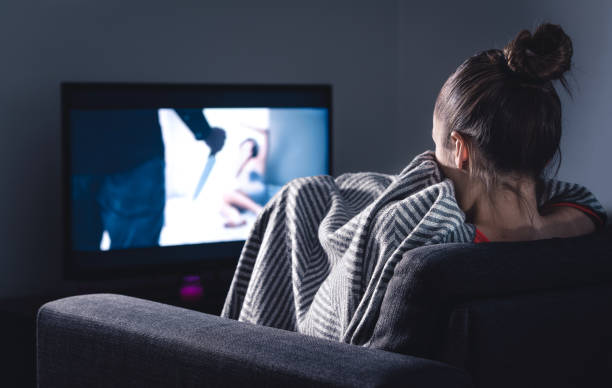
Seasonal Spooks: Why February is the Secret Season for Horror
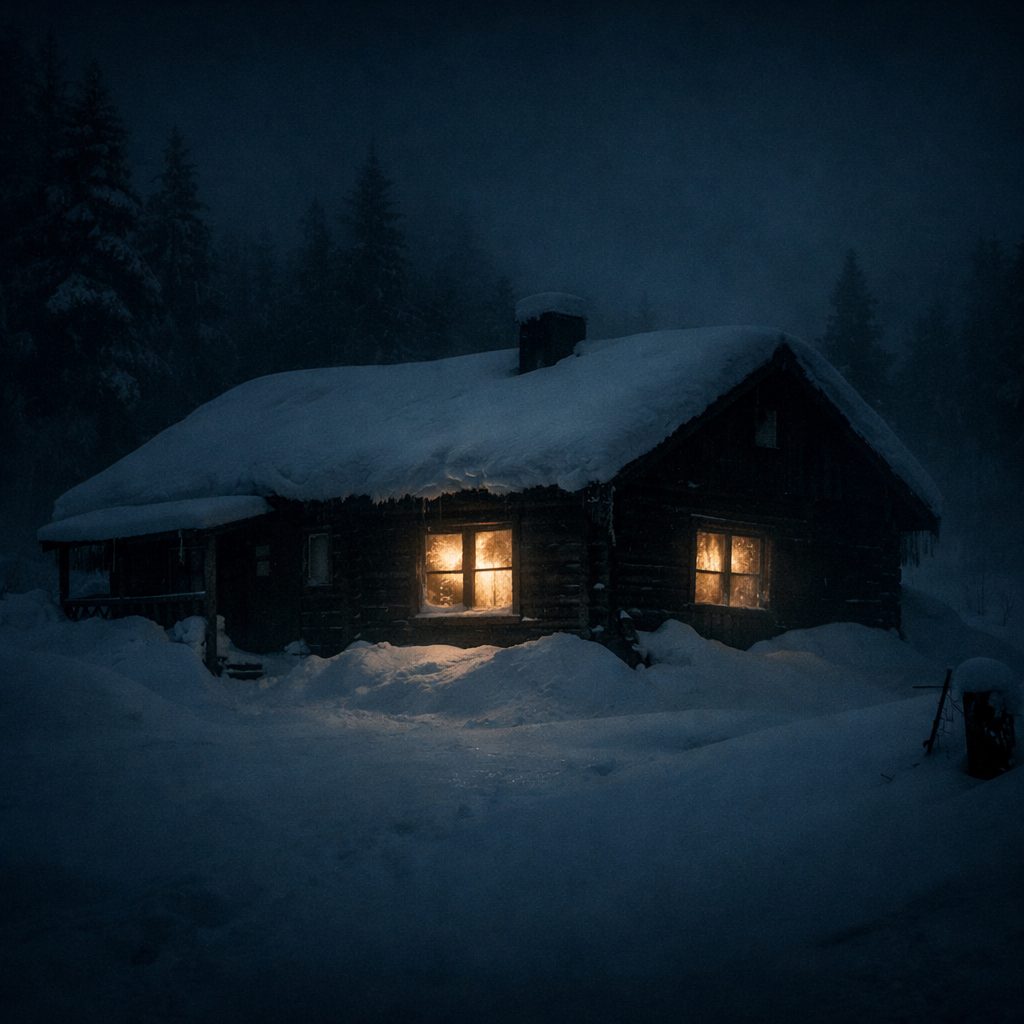
While October gets all the marketing budget, true horror enthusiasts know that February is the secret sweet spot for a scare. Since we are currently in the dead of winter, we are living in the prime environment for Isolation Horror. Think about it: the trees are skeletal, the sun sets before you’ve even finished your second cup of coffee, and a cold wind makes every house creak. This is the perfect time to lean into movies that feature characters trapped by the elements. If you want to match your movie to the current February frost, reach for the “Winter Classics”:
- The Thing (1982): The ultimate masterpiece of Antarctic isolation and paranoia.
- 30 Days of Night (2007): Vampires in an Alaskan town during a month-long polar
- The Lodge (2019): A modern, claustrophobic nightmare about being snowed in with a past you can’t escape.
Watching these “cold” movies while you’re physically wrapped in a blanket creates a “4D experience” that summer blockbusters just can’t replicate.
Choosing Your Moment
At the end of the day, a horror movie is only as good as the moment you choose to watch it. You can have the best 4K screen and a 10-out-of-10 script, but if the sun is shining and the kids are playing outside, the “magic” of fear remains out of reach.
So, next time you’re scrolling through a streaming app, don’t just look at the rating. Look at the clock. Check the shadows in the hallway. Listen to the wind against the window. The monsters are always there; you just have to choose the right time to let them in.
