
John Boyega and Cara Delevingne Enter Icelandic Folklore Horror in The Punishing
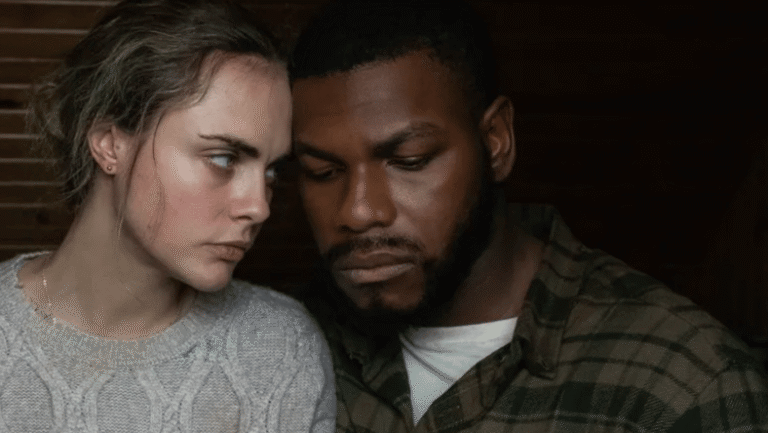
The first official images from the upcoming supernatural horror film The Punishing have finally surfaced, offering audiences an unsettling first glimpse at John Boyega and Cara Delevingne in what already appears to be a far darker and more atmospheric horror experience than many anticipated.
Helmed by Chris Sparling, best known for writing the tense survival thriller Buried, the film draws deeply from Scandinavian folklore and psychological terror. Reports reveal that the story unfolds on an isolated island in Iceland, where a man unexpectedly recovers from a terminal illness. What initially seems miraculous soon spirals into horror as his wife uncovers the terrifying supernatural consequences tied to the island’s mysterious healing abilities.
One of the film’s most striking elements is its setting. In recent years, Iceland has become an increasingly compelling location for horror storytelling, thanks to its desolate landscapes, volcanic scenery, and rich folklore traditions. The early promotional images lean more into emotional unease and chilling atmosphere than overt supernatural spectacle, suggesting a more restrained and tension-focused approach to horror.
The project also marks another step in John Boyega’s recent move toward more unconventional genre work following years of major blockbuster franchises. In addition to starring in the film, Boyega is attached as a producer alongside Spooky Pictures, Redwire Pictures, and Tiki Tane Pictures.
At the same time, Cara Delevingne’s casting hints that the story may explore psychological deterioration and emotional dread more heavily than traditional creature-driven horror. The pairing of Boyega and Delevingne feels refreshingly unexpected, giving the project a distinct identity compared to more conventional studio possession films.
The film is currently launching sales at the Cannes Film Market, with Ignite overseeing international rights while WME Independent and UTA Independent Film Group handle domestic distribution representation.
Although an official release date has not yet been confirmed, the combination of Scandinavian folklore, an isolated Icelandic setting, and Chris Sparling’s suspense-driven filmmaking style already positions The Punishing as one of the most compelling supernatural horror projects currently in development.
Hokum (2026)
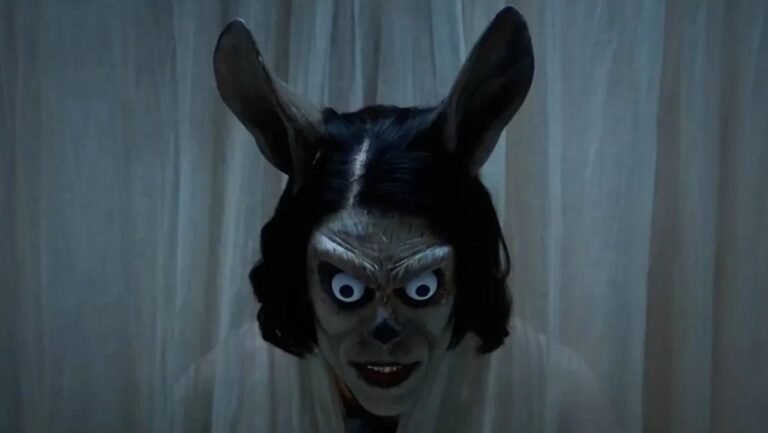
Hokum 2026 takes a very different approach from the loud noises and sudden jump scares that traditional horror movies rely on. Instead of overwhelming viewers with constant shocks, the film slowly builds fear through silence, isolation, and atmosphere.
Directed by Damian McCarthy, Hokum leans heavily into Irish folklore and supernatural mystery. It’s the kind of film that adds meaning to every creaking floorboard, empty hallway, and distant whisper. Rather than rushing toward its scares, the movie allows tension to grow naturally, creating a lingering sense of dread that hangs over every scene.
The story follows a horror novelist, Ohm Bauman (played by Adam Scott), who travels to a remote and decaying Irish hotel to scatter his parents’ ashes. The location holds emotional significance because it was once the site of their honeymoon, but the trip turns sour quickly, and Bilberry Woods Hotel immediately feels wrong.
The building is isolated, worn down, and surrounded by strange local legends. Staff members speak cautiously about a locked honeymoon suite connected to stories of a witch said to haunt the property. According to local folklore, the entity drags victims into a terrifying supernatural realm.
At first, the film presents these stories as eerie rumors. But after a sudden tragedy inside the hotel, strange events begin escalating rapidly. The novelist becomes trapped in a growing nightmare filled with cryptic symbols, disturbing audio recordings, and ghostly encounters that blur the line between reality and hallucination.
As the haunting intensifies, the film shifts from quiet mystery into full supernatural horror. The deeper the protagonist digs into the hotel’s history, the more dangerous things become. The story slowly reveals connections between grief, guilt, and ancient curses, building toward a tense and psychologically exhausting finale.
✅ What Works
A Deeply Unsettling Atmosphere
The film’s strongest feature is its atmosphere. Every room, hallway, and dark corner feels heavy with tension. The slow pacing works in the film’s favor, allowing fear to build naturally rather than relying on constant scares.
Smart Use of Sound
Hokum uses sound incredibly well. Whispered voices, distorted recordings, and sudden silences create a constant feeling of unease. Some of the movie’s most frightening moments happen through sound alone.
Strong Folk Horror Elements
The Irish folklore woven into the story gives the film a unique identity. The occult symbols, local legends, and supernatural rules make the haunting feel ancient and deeply rooted in the setting.
Disturbing Practical Horror
Instead of depending heavily on CGI, the film uses physical creature designs and shadowy figures that feel more grounded and unsettling. The visual style adds to the realism of the horror.
Effective Psychological Tension
The movie constantly makes viewers question what is real. As the protagonist’s mental state begins to unravel, the line between supernatural terror and psychological breakdown becomes increasingly blurred.
❌ Where It Falls Short
A Complicated Middle Section
The film introduces several ideas at once, including grief, folklore, curses, and mystery elements. At times, these storylines become slightly difficult to follow.
Some Lore Feels Underdeveloped
Certain supernatural concepts are introduced without enough explanation. While mystery can strengthen horror, a few details feel too vague.
Pacing Slows in the Second Half
Some scenes in the underground sections of the story begin to feel repetitive, slowing the momentum before the finale.
Occasional Tonal Shifts
A few of the more surreal horror moments clash slightly with the grounded ghost-story atmosphere established earlier in the film.
⚖️ Final Verdict: 4/5
Hokum is a chilling and atmospheric indie horror film that proves slow-burn storytelling can still be deeply effective. Rather than focusing on gore or nonstop action, the movie creates fear through isolation, grief, and psychological tension.
While the story occasionally becomes overly complex, the film’s atmosphere, sound design, and haunting imagery make it a memorable experience. For fans of folk horror and psychological ghost stories, Hokum delivers an unsettling journey that lingers long after the credits roll.
Markiplier’s Iron Lung Is Finally Heading to YouTube This Month After Its Indie Horror Success
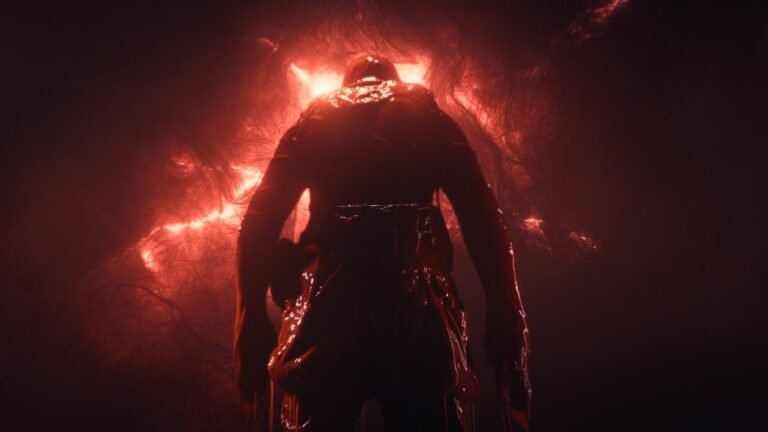
After becoming one of 2026’s biggest indie horror success stories, Iron Lung is finally preparing for its online release. Markiplier has confirmed that the sci-fi horror film will officially arrive on YouTube on May 30, 2026.
The film, written, directed, financed, and starring Mark Fischbach (better known as Markiplier), is based on the cult horror game created by David Szymanski. Set after a mysterious cosmic disaster known as “The Quiet Rapture,” the story follows a convict trapped inside a tiny submarine navigating an ocean of blood on a distant moon.
What makes the release especially interesting is how unconventional the film’s journey has been. Instead of following a traditional studio model, Markiplier handled much of the movie’s theatrical rollout independently through Markiplier Studios, eventually expanding the release after strong fan demand online. The movie reportedly earned over $50 million worldwide on a relatively small budget, making it one of the year’s biggest indie horror breakouts.
Markiplier has also spoken about wanting to create new ways for independent filmmakers to distribute movies through YouTube itself rather than relying entirely on traditional Hollywood systems. That larger goal has made Iron Lung one of the more interesting horror success stories of the year beyond just the movie itself.
Critics and audiences largely praised the film’s claustrophobic atmosphere and commitment to psychological tension, with many comparing its isolated submarine setting to classic sci-fi horror concepts stripped down to their most uncomfortable form.
At a time when many horror movies rely on giant budgets and franchise branding, Iron Lung became successful through something much simpler: strong atmosphere, a dedicated audience, and a creator willing to do things differently.
Sam Raimi Returns to Horror to Reboot Killer Dummy Classic Magic for Lionsgate
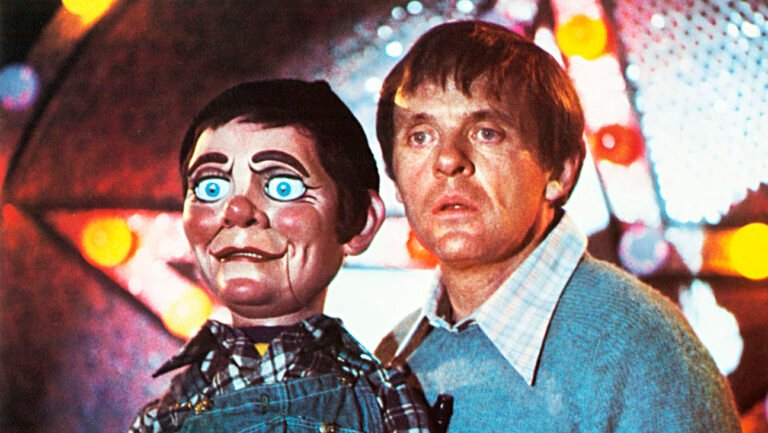
Sam Raimi is officially returning to one of horror’s creepiest subgenres: killer dolls and ventriloquist dummies. The legendary filmmaker behind Evil Dead and Drag Me to Hell is set to direct a modern reboot of Magic for Lionsgate.
The original 1978 film, based on William Goldman’s novel, starred Anthony Hopkins as a troubled ventriloquist whose relationship with his dummy slowly descends into psychological horror and murder. Unlike supernatural doll movies such as Annabelle or Child’s Play, Magic leaned heavily into paranoia and mental collapse, which helped give the film a disturbing identity that still holds up decades later.
What makes this reboot especially interesting is the creative team surrounding it. Raimi will reunite with Damian Shannon and Mark Swift, the writers behind his upcoming survival horror film Send Help. That collaboration suggests the project may balance psychological terror with the chaotic energy Raimi is known for.
The reboot is being developed through Lionsgate, continuing the studio’s recent push deeper into horror revivals and legacy franchises. While plot details remain secretive, reports describe the film as a “modern adaptation” rather than a direct remake of the original movie.
The timing also feels perfect. Horror audiences have recently embraced creepy-object horror again, but most modern entries focus on possession mythology or supernatural lore. Magic is different because the fear comes from uncertainty. Is the dummy alive, or is the puppeteer completely losing his mind? That psychological ambiguity is exactly the kind of material Raimi could have fun pushing into darker territory.
Raimi has stayed heavily involved in horror as a producer over the last several years, especially through the expanding Evil Dead universe, but this marks another major directing return for the filmmaker himself. For longtime horror fans, that alone is enough to make the project immediately exciting.
No casting or release date has been announced yet, but between Raimi, Lionsgate, and the unsettling premise of the original film, Magic is already shaping up to be one of the more intriguing horror reboots currently in development.
The Mortuary Assistant Director Heads Into Cambodian Folklore Horror With Faceless
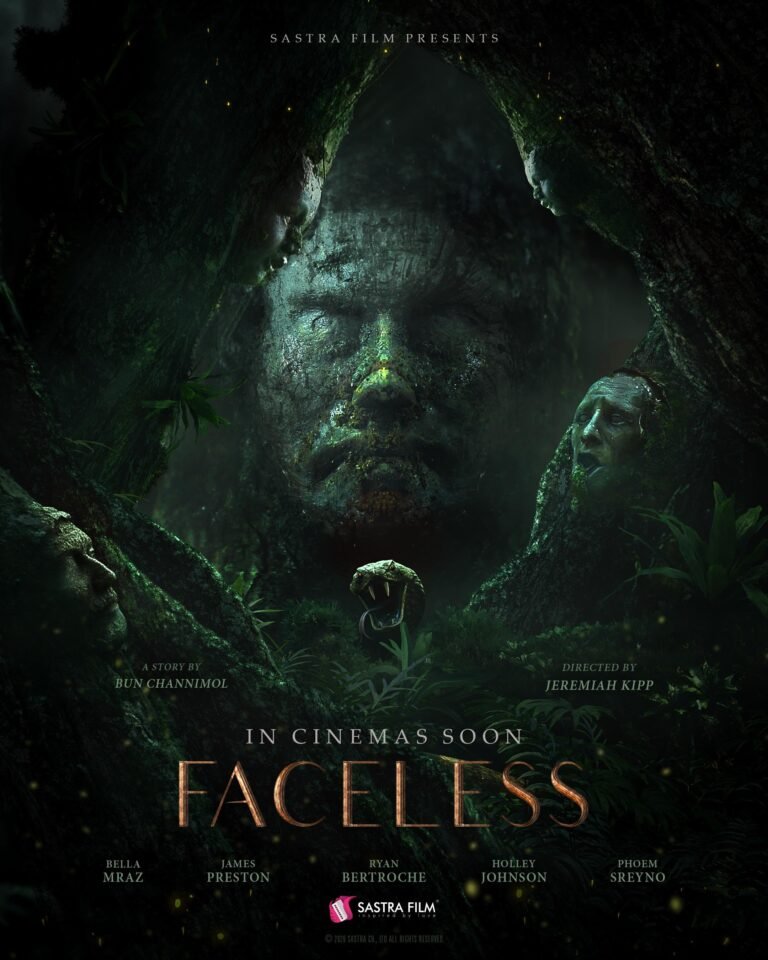
Fresh off directing the film adaptation of The Mortuary Assistant, filmmaker Jeremiah Kipp is already moving deeper into supernatural horror with a new project titled Faceless. And unlike many modern horror movies built around familiar mythology, this one is pulling directly from Cambodian folklore and jungle horror.
The film has officially wrapped production and follows a group of YouTube ghost hunters who travel into the Cambodian jungle, only to encounter a terrifying supernatural force far beyond anything they expected.
The cast includes Bella Mraz, James Preston, Holley Johnson, and Ryan Bertroche, with filming taking place on location in Cambodia. The movie also marks the first English-language production from Cambodian studio Sastra Film International, which plans to introduce the project to international buyers during the Cannes Film Market.
What makes Faceless especially interesting is its emphasis on regional horror traditions instead of generic possession tropes. Producers behind the project described the film as drawing heavily from Cambodian folklore and Southeast Asian horror influences, which have become increasingly popular with international audiences over the last decade.
Kipp also wrote the screenplay himself, adapting a story created by Sastra founder Bun Channimol. That collaboration could give the film a stronger cultural identity than many Western-produced folklore horror movies that only borrow aesthetics without deeper connection to local mythology.
The timing is interesting too. Horror audiences have recently shown growing interest in Southeast Asian genre cinema, especially films rooted in spiritual beliefs, curses, and regional folklore rather than traditional Hollywood horror structures. Movies from Indonesia, Thailand, and South Korea have already helped shift attention toward international horror storytelling, and Faceless appears positioned directly inside that movement.
No release date has been announced yet, but with production completed and Cannes discussions underway, Faceless is already shaping up to be one of the more intriguing international horror projects currently emerging from the indie market.
.
Best Indie Horror Movies You Probably Missed
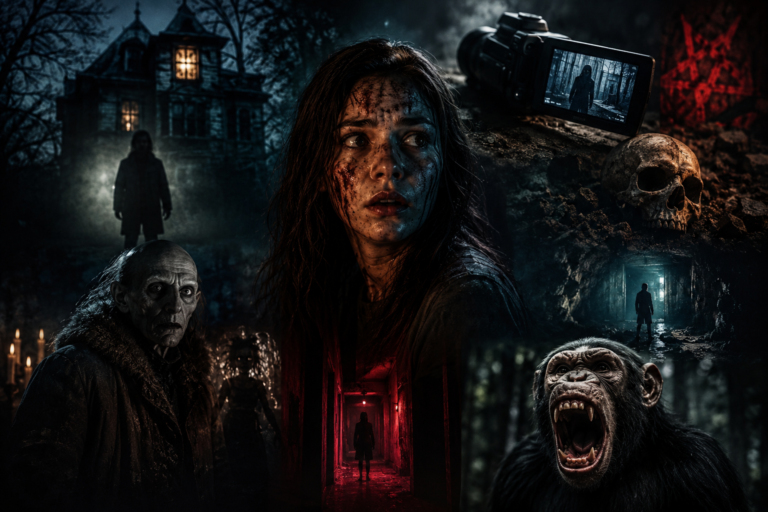
Indie horror is where the genre still takes real risks. While major studios keep chasing franchises, familiar monsters and safe formulas, smaller filmmakers are building stranger, rawer and more personal nightmares.
Some of these movies do not have massive marketing campaigns. Some barely get the attention they deserve. But they prove that horror does not need a giant budget to feel dangerous.
From one-take panic to gothic vampires, emotional zombie stories and folk horror built around sound, these are indie horror movies you probably missed — but should not ignore.
Here’s a list of the best indie horror movies you probably missed:
Top Indie Horror Movies You Probably Missed
MadS (2024)
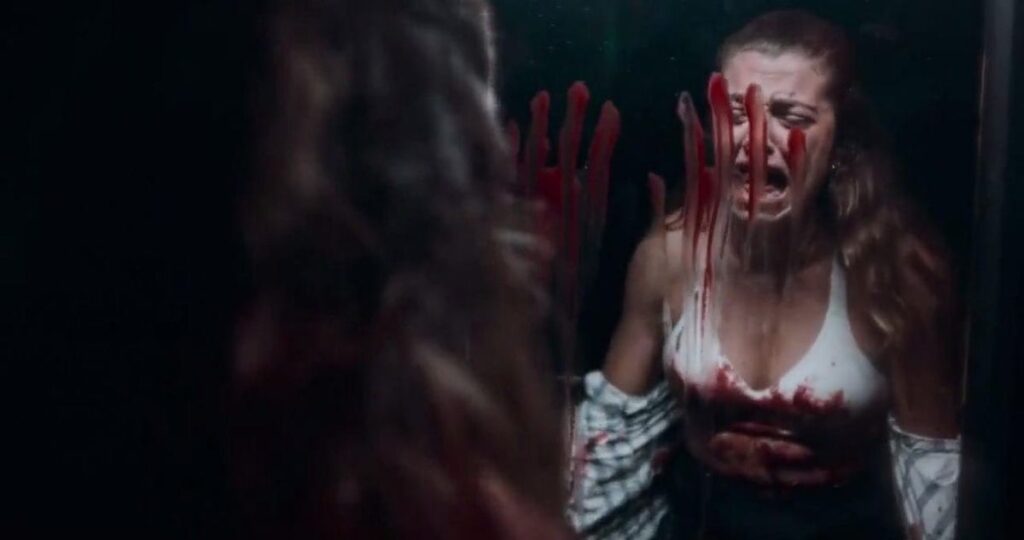
If there is one horror movie designed to make viewers feel trapped, it is MadS. Filmed as one continuous unbroken shot, the movie follows a teenager whose night spirals into chaos after encountering an injured woman on the road.
The lack of cuts creates a suffocating sense of immediacy. There is no escape from the growing panic, confusion, and violence unfolding around the characters. Instead of feeling like a polished horror production, the film feels raw and dangerously close to reality. It is an intense psychological experience that proves technical creativity can amplify fear when used correctly.
The Vourdalak (2024)
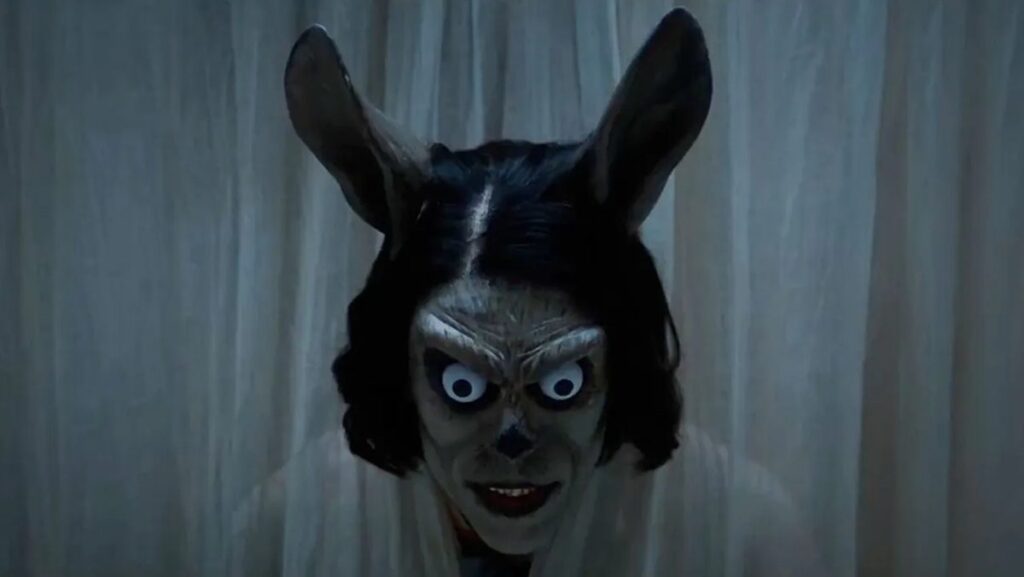
The Vourdalak feels like a gothic nightmare pulled straight out of another century. The film embraces old-school horror techniques by using a life-sized practical puppet instead of digital effects for its vampire creature.
That creative choice gives the movie an unsettling quality that modern CGI often struggles to capture. Every movement feels unnatural in the best possible way. Combined with its eerie atmosphere and slow-burning storytelling, the film becomes a haunting tribute to classic European horror cinema.
We Bury the Dead (2024)
Zombie stories rarely feel emotional anymore, but We Bury the Dead takes a very different approach. Starring Daisy Ridley, the film focuses less on large-scale chaos and more on grief and emotional survival.
The story follows a woman working with a body retrieval unit after a devastating military disaster, only to discover that some of the dead are not staying dead. Instead of focusing entirely on horror spectacle, the movie uses its zombie backdrop to explore loss and trauma in a grounded, human way.
Rabbit Trap (2025)
Sound becomes the true source of terror in Rabbit Trap, a chilling folk horror film starring Dev Patel. Set in the 1970s, the story follows a couple documenting rare birds who accidentally record a strange and ancient sound hidden within nature.
The film uses audio brilliantly, creating fear through distorted noises, silence, and unsettling environmental sounds. Instead of constantly showing horror on screen, it lets viewers imagine it, which often makes the experience even more disturbing.
First time here? Start with our quick LikeHorror guide — scary picks, reviews, videos, challenges, indie horror and the best ways to explore the site. Start Exploring →
Primate (2025)
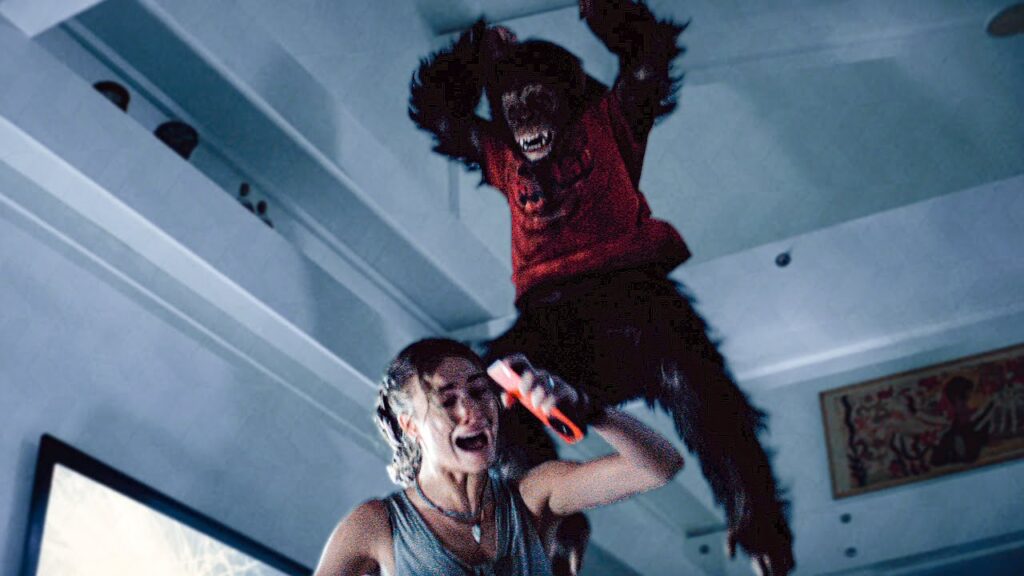
With Primate, director Johannes Roberts returns to stripped-down survival horror. The story centers on a family vacation that turns into a nightmare after a pet chimpanzee becomes dangerously violent.
The film keeps things simple but effective. Rather than overcomplicating the plot, it focuses on tension, panic, and survival. Its fast pacing and claustrophobic atmosphere help transform a familiar creature-feature concept into something genuinely stressful.
Obsession (2025)
Obsession takes a familiar “be careful what you wish for” concept and twists it into something deeply uncomfortable. Directed by viral filmmaker Curry Barker, the film follows a lonely man who turns to a mysterious tree in hopes of winning over his crush.
What begins almost like a dark fantasy gradually transforms into psychological horror. The movie constantly shifts tone, keeping viewers unsure of where the story is heading next. That unpredictability becomes one of its greatest strengths.
Mother of Flies (2025)
Created by the independent filmmaking collective known as the Adams family, Mother of Flies blends emotional drama with occult horror. The story follows a family dealing with terminal illness before desperation pushes them toward dark supernatural practices.
The film works because it grounds its horror in emotional pain. Rather than relying solely on scares, it explores grief, helplessness, and the terrifying things people are willing to do when faced with loss.
Hokum (2026)
Irish folklore and haunted spaces collide in Hokum, directed by Damian McCarthy. The film stars Adam Scott as a novelist staying in a remote hotel while mourning his parents.
As strange stories surrounding the building begin to surface, the atmosphere grows increasingly oppressive. McCarthy relies heavily on silence, timing, and architectural tension rather than constant jump scares. The result is a ghost story that feels patient, eerie, and deeply immersive.
Why Indie Horror Movies Leave a Lasting Impact
What makes indie horror so memorable is the atmosphere these films create and the emotions they leave behind long after the credits roll.
Instead of having polished and distant filming, these stories feel personal, as though they could happen in the real world.
Another reason indie horror works so well is its willingness to leave questions unanswered. When films refuse to explain every detail, viewers naturally begin filling in the blanks themselves. That uncertainty keeps the fear alive even after the movie ends.
A lingering hallway shot, an unexplained sound, or a moment of silence can become more haunting than any monster reveal.
That is why many of the best indie horror releases stay with audiences for years. They do not just try to scare viewers in the moment. They create feelings of discomfort, paranoia, grief, or dread that quietly follow audiences afterward.
Conclusion
Independent horror continues to prove that creativity matters far more than budget size. While major studios often focus on scale and spectacle, indie filmmakers consistently find new ways to make horror feel intimate, emotional, and deeply unsettling.
If you haven’t seen these films yet, they are a reminder of why indie horror matters. The best small-budget horror does not just chase bigger scares. It finds stranger ideas, rougher edges and more personal nightmares — the kind that stay with you because they feel less manufactured.
Want more horror worth saving? Explore the best of LikeHorror — top picks, reviews, videos, fun posts and scary movie guides in one place. Explore Highlights →
Martyrs Director Pascal Laugier Returns to Horror With Female Vampire Film Nocturnal
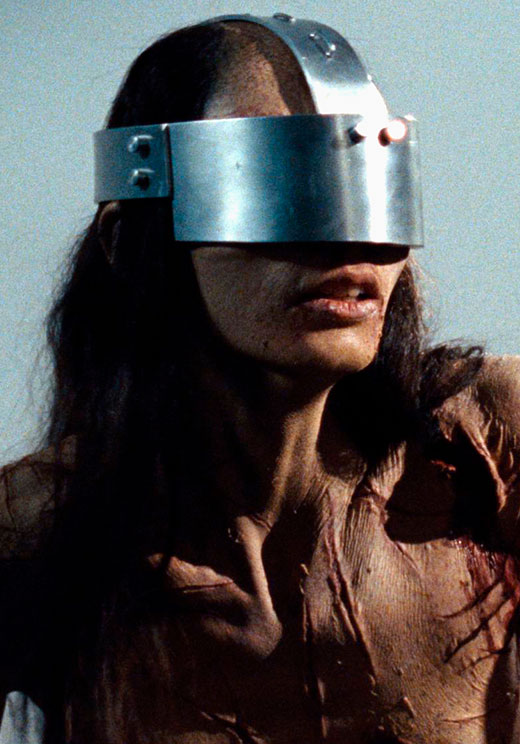
Pascal Laugier, the filmmaker behind the disturbing cult horror classic Martyrs, is officially returning to the genre with a new vampire film titled Nocturnal.
Set during World War II in 1943, the story follows a group of refugees fleeing Vichy France who become stranded on a remote island hiding a terrifying supernatural presence. As the survivors begin transforming into vampires, the remaining human members of the group are forced into a desperate fight for survival.
The screenplay was written by David Birke, while production is expected to begin later this year in Latvia. Early details suggest the film will blend historical horror with the emotionally brutal atmosphere that has defined much of Laugier’s work.
Unlike modern vampire films that lean into fantasy or romance, Nocturnal appears to be aiming for something far darker and more psychological. Considering Laugier’s reputation after films like Martyrs and Incident in a Ghostland, horror fans are already expecting something intense and deeply unsettling.
No release date or casting announcements have been revealed yet, but Nocturnal is already shaping up to be one of the more intriguing horror projects currently in development.