Freddy Fazbear’s Pizza is getting a serious script makeover, and horror fans should be very happy about it.
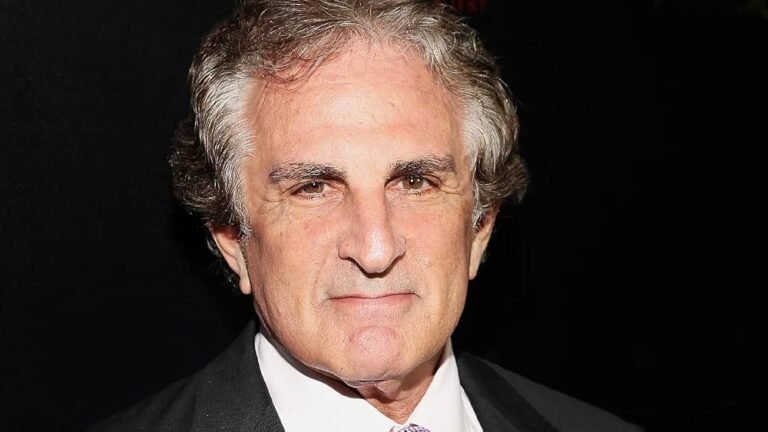
Blumhouse Atomic Monster has tapped Gary Dauberman, the writer behind IT, The Nun, and Salem’s Lot, to write the screenplay for Five Nights at Freddy’s 3. This is the creative upgrade the franchise has desperately needed. Both previous films were box office monsters but critical duds, with the scripts taking most of the blame. Dauberman is the guy who fixed the Conjuring universe’s lore problems and made a clown genuinely terrifying again. He knows what he’s doing.
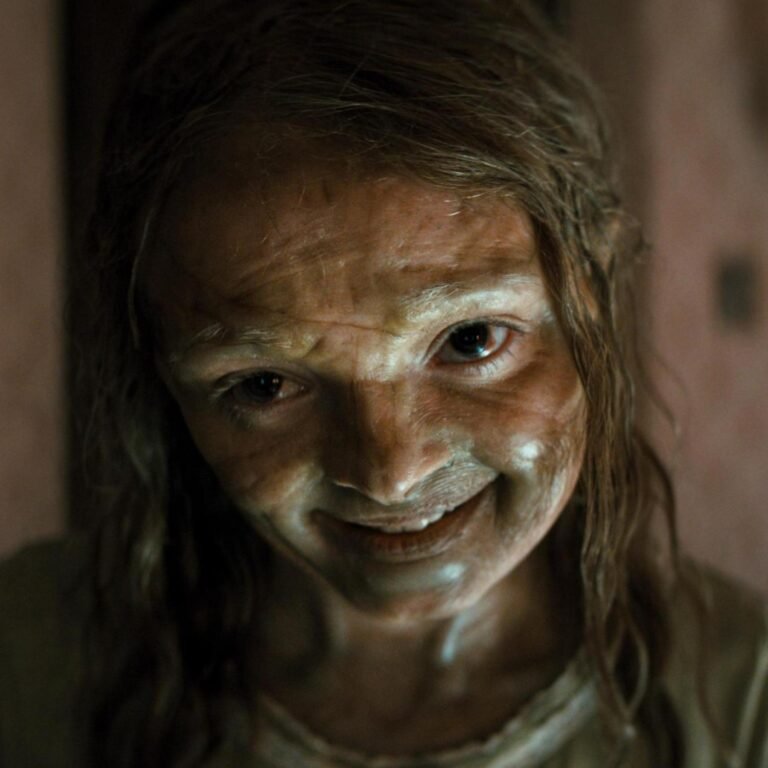
Emma Tammi, who directed the first two films, is expected to return, and franchise creator Scott Cawthon will remain involved as a producer. On the cast front, the IMDb page confirms Josh Hutcherson, Matthew Lillard, Elizabeth Lail, and Piper Rubio are all back, and the film is targeting a Halloween 2027 release on October 15.
Oh, and that rumour about It Follows director David Robert Mitchell writing the film? That was a mix-up, Skeet Ulrich misspoke at a fan convention, and the internet ran with it. It was always Dauberman. A Halloween release, a stacked returning cast, and the best writer the franchise has ever had, FNAF 3 is shaping up to be the one that finally gets it right.
One of this year’s bloodiest horror reimaginings is about to reach an even bigger audience.
Lee Cronin’s The Mummy makes its global streaming debut exclusively on HBO Max on July 3. The following day, July 4, it airs on HBO’s linear channel at 8:00 p.m. ET, perfectly timed for a holiday weekend horror binge.
This isn’t the Brendan Fraser Mummy. Cronin, who directed 2019’s The Hole in the Ground before breaking through with Evil Dead Rise, has gone back further, drawing from the gothic horror roots of the 1932 original rather than the action-adventure tone of the ’90s franchise. The story follows a journalist’s young daughter who vanishes into the desert without a trace. Eight years later, she’s returned to her broken family, but what should be a joyful reunion quickly turns into a living nightmare.
The film stars Jack Reynor, Laia Costa, May Calamawy, Natalie Grace, and Verónica Falcón. It’s written and directed by Cronin and produced by James Wan, Jason Blum, and John Keville for Blumhouse-Atomic Monster and New Line Cinema. It’s rated R for strong disturbing violent content, gore, language, and brief drug use.
The Mummy opened in US theaters on April 17 and earned just over $90 million worldwide on a budget in the mid-$20 million range, a solid return for a mid-budget horror film with no franchise safety net.
For anyone who missed it in theaters, July 3 is the first chance to see why Cronin’s take on the material sparked as much conversation as it did.
What happens when history’s most dangerous killers are locked inside the same building? That’s the terrifying question at the heart of Specimen, a newly announced horror thriller that has officially found its director.
John Herzfeld (15 Minutes, Escape Plan: The Extractors) has signed on to helm the film, taking on a screenplay by producer-financier Chase Vergari, which he will rewrite before production begins. The project comes from producer-financiers Vergari and Eric Handler, whose recent credits include the upcoming Walton Goggins action film Mister and the Samuel L. Jackson filmed The Beast. Production companies attached are Second Act Pictures and Script 2 Screen Capital.
The setup is lean and nasty: an elite team is hired to deliver the world’s worst serial killers to a secret research facility run by a visionary neuroscientist obsessed with curing evil. His groundbreaking experiment succeeds, and that success is the problem. What it unleashes is something far more dangerous than any of the killers already locked inside.
The premise was enough to pull Herzfeld in immediately. “What drew me to Specimen was the theme: can evil be cured, and if so, at what cost?” he said. “The story follows a charismatic visionary who risks becoming the very thing he set out to destroy. That struggle between good and evil is as relevant now as it has ever been.”
Vergari has made clear the film is designed to go further than a single story. “I wrote Specimen as the first chapter of a much larger world,” he said. “I wanted to build something that works as a relentless standalone horror-thriller but opens into a universe we can keep exploring.”
Discussions with talent are currently underway. No cast or release date has been announced yet.
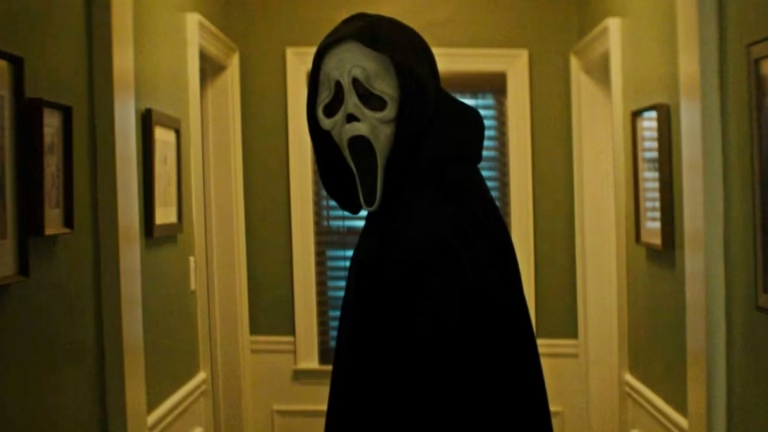
Before the movie Scream, there was Scary Movie. When Kevin Williamson first wrote what became Scream, that was its original title. The Weinsteins changed it before release, concerned that audiences would mistake it for a straight comedy. Ironically, the Wayans brothers would later adopt the title for their own horror spoof franchise.
Why Scream Stole The Show For Three Decades
At its core, Scream is about characters who know horror movie rules and try, often unsuccessfully, to use that knowledge to survive. Randy’s famous list of genre commandments; no sex, no drugs, never say “I’ll be right back,” is funny because everyone knows those rules will be broken. The joke is that although the characters recognize the clichés, it never saves them.
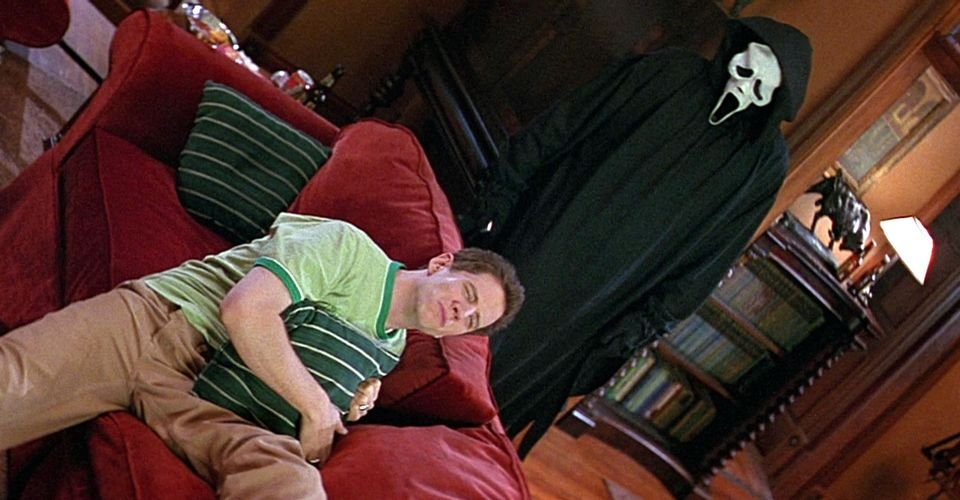
A scene from Scream 1996
That tension between self-awareness and inevitable death is what made the original film more than just another slasher. Drew Barrymore’s shocking opening-scene death immediately established that no one was safe. Randy later becomes the punchline himself, yelling at a character in Halloween to look behind her while failing to notice danger creeping up behind him.
The combination of parody and genuine dread became Scream’s defining strength. It is also what separates the strongest entries from the weaker ones.
What made Scream stand out in 1996 was that it arrived when slasher films had become predictable. Audiences already knew the formula: a masked killer, a group of teenagers, and a series of increasingly brutal deaths. Instead of pretending those clichés did not exist, Scream built them into the story.
The characters talked about horror movies the same way viewers did, yet the film never stopped being scary. The humor made its suspense stronger, not weaker, helping Scream breathe new life into a genre many people thought had become stale.
Want to know what is worth your time? Read more LikeHorror reviews before choosing your next scary movie. Read Reviews →
The Franchise Was Built to Survive
Fortunately for the studio, Scream developed a built-in survival mechanism years ago: its mythology no longer depends on any single character.
Mindy makes this clear in Scream VI, explaining that legacy characters are no longer protected and that even main characters can die. The franchise proved the point when Sidney Prescott sat out Scream VI due to a pay dispute. Despite her absence, the film succeeded, with critics praising its New York setting and its confidence in letting Sam, Tara, Mindy, and Chad carry the story.
Scream 7 demonstrated the opposite side of the same argument. Sidney returns, but she is no longer the franchise’s center of gravity. Much of the focus shifts toward her daughter, while Mindy and Chad continue their evolution into the series’ new core characters. Sidney’s return does not revive the old franchise, it simply helps pass the torch.
That approach extends even to disposable supporting characters. In Scream 7, McKenna Grace’s Hannah Thurman arrives with clear visual callbacks to Tatum Riley, only to become one of the film’s most memorable victims. It is a familiar Scream trick: introduce a recognizable face, give them a standout scene, and feed them to Ghostface before the second act.
The formula remains flexible enough to continue indefinitely. With Lilla and Nora Zuckerman, best known for Poker Face, attached to write Scream 8, there is little reason to believe the series is ending anytime soon. From a structural standpoint, “extinct” is simply the wrong word.
The Risk of Becoming What It Once Mocked
The bigger question is not whether Scream can survive, but whether it can remain good at the thing that made it special. This has been a recurring issue throughout the franchise. Scream 3 became the clearest example after Williamson stepped away and Ehren Kruger took over much of the writing.
Critics argued that the film relied on the same clichés the series was originally designed to mock. Scream 4 faced similar criticism, with many reviewers feeling that its use of horror tropes no longer felt clever or ironic. Both films lost the delicate balance between satire and suspense. Instead of commenting on horror conventions, they often seemed content to repeat them.
Scream (2022) corrected course. Critics largely viewed it as a genuine revival because it rediscovered the franchise’s self-awareness while updating it for modern horror culture. Scream VI largely maintained that momentum, combining brutal kills with the dark humor that had always defined the series.
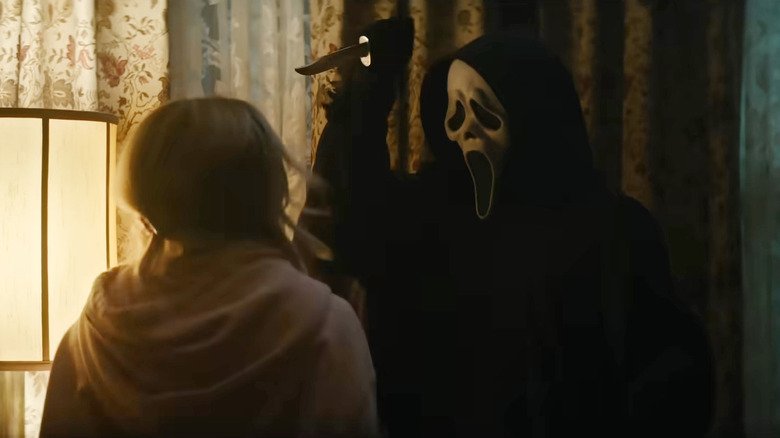
A scene from Scream 7
Scream 7, however, appears to have lost that balance again. Many reviews argue that the sharp dialogue and clever commentary that once separated Scream from its peers have been replaced by routine franchise storytelling.
That criticism strikes at the heart of the franchise’s identity. Ghostface is not interesting because he kills people. Horror is full of killers. What made Scream stand out was its ability to dissect the genre while participating in it. When that self-awareness fades, the series risks becoming exactly what it once mocked.
The series can still deliver mystery, suspense, and memorable kills, but the commentary that once made it feel fresh is becoming more difficult to sustain. In some ways, Scream is now facing the same problem as the horror franchises it used to make fun of.
Key Takeaway
So, is the Scream franchise extinct? Not structurally. The series was designed to outlive any individual character, and Scream 8 is already moving forward with a new creative team and another generation of potential victims.
But creatively, the answer is more complicated. The satire, self-awareness, and genre commentary that made Scream revolutionary have gradually thinned out over time. Scream 7 came closer than any installment since Scream 3 to losing those qualities entirely.
Ghostface will likely survive for years to come. The franchise’s mythology is strong enough to guarantee that. The real question is whether Scream can find something new to say about horror before it becomes just another horror franchise itself.
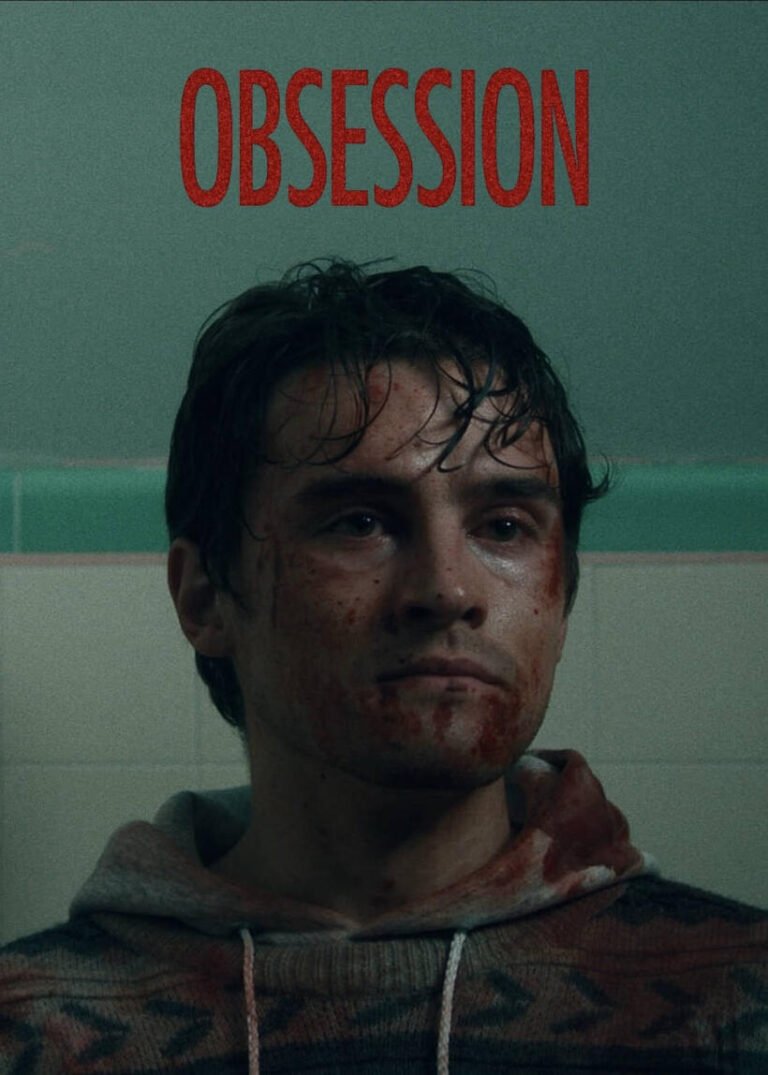
After dominating theaters for weeks and becoming the biggest horror success story of 2026, Obsession is almost ready to make the jump to home viewing.
Focus Features has officially announced that director Curry Barker’s supernatural horror hit will arrive on digital platforms on June 30, allowing fans to rent or purchase the film from home for the first time.
The news comes after an extraordinary theatrical run that few saw coming. Released in May, Obsession quickly transformed from a low-budget genre film into a box office phenomenon through strong word of mouth and repeat viewings. The film has now earned more than $334 million worldwide, including over $217 million domestically, making it the highest-grossing horror movie of the year so far.
Written and directed by Curry Barker, the film follows Bear, a young man who uses a mysterious object known as the “One Wish Willow” to make his longtime crush fall in love with him. What begins as a dream quickly spirals into something far darker as the wish takes on a terrifying life of its own. Michael Johnston and Inde Navarrette lead the cast.
The success of Obsession has also turned Barker into one of horror’s fastest-rising filmmakers. While fans are already speculating about a sequel, Barker is currently focused on his completed feature Anything But Ghosts and several new projects that have emerged in the wake of Obsession’s breakout success.
For viewers who missed the film in theaters, June 30 will offer the first chance to experience one of the year’s most talked-about horror movies from home. For everyone else, it’s another opportunity to revisit the film that unexpectedly became the genre’s biggest sensation.
One of horror’s most influential franchises is officially heading back into the woods.
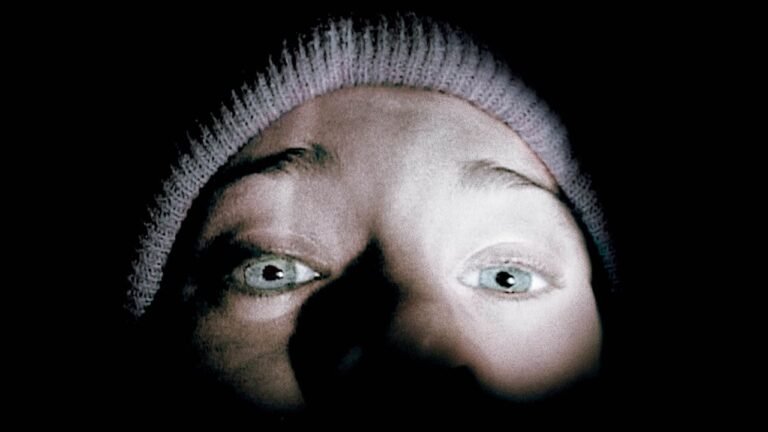
Lionsgate announced this week that a new Blair Witch movie hits theaters on September 24, 2027. That makes it the franchise’s first big-screen outing since Adam Wingard’s 2016 reboot, over a decade of silence. The studio is going all-in to break it.
Who’s Making It–
Dylan Clark directs the new film. He built his reputation making horror shorts on YouTube before Hollywood came knocking. Chris Thomas Devlin wrote the original screenplay, and Clark is currently rewriting it.
Lionsgate developed the project through its partnership with Blumhouse-Atomic Monster, the banner Jason Blum and James Wan formed when they merged their companies in 2024. Blum and Wan produce alongside Roy Lee, Adam Hendricks, and Greg Gilreath.
The Original Team Is Involved–
Lionsgate Motion Picture Group chair Adam Fogelson calls it a “new vision” designed to “reintroduce this horror classic for a new generation.” But the studio isn’t cutting ties with what came before.
Original directors Eduardo Sánchez, Daniel Myrick, and Gregg Hale serve as executive producers. So do original cast members Joshua Leonard and Michael C. Williams. For fans of the 1999 film, that’s a meaningful signal.
No cast announcement has come yet.
A Franchise With a Complicated Past–
The original Blair Witch Project spent less than $60,000 to make and earned $248 million at the global box office. It also invented the modern found-footage genre. That’s a hard act to follow.
The 2000 sequel, Book of Shadows: Blair Witch 2, largely abandoned what made the original work. It earned around $47 million. Wingard’s 2016 *Blair Witch* took a different approach, a direct sequel to the original, but earned only around $45 million on a $5 million budget. Neither film came close to 1999.
Whether Clark and Blumhouse-Atomic Monster can change that is the real question. September 24, 2027 is when we find out.
A giant spider is heading to the big screen this fall, and horror fans won’t have to wait long to get a look at it.
Mark September 11 on your calendars. Don’t Move, the creature feature adapted from the bestselling novel by Impractical Jokers star James “Murr” Murray and co-author Darren Wearmouth, has an official release date and a first poster to go with it, and both are doing their job.
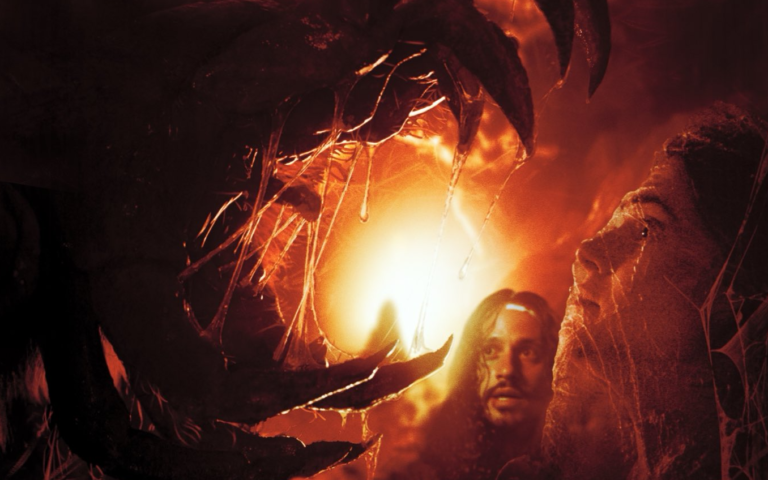
The setup is simple and brutal, a church group’s annual retreat goes sideways when they wander into the wrong corner of the Ozark wilderness. People start disappearing. Suspicion lands on Ricky (Russell “Russ” Vitale), the group’s resident troublemaker. But the real threat has nothing to do with him. Deep in the forest, a prehistoric arachnid is hunting by vibration alone, meaning every step, every sound, every flinch could be the last one.
Lyndsy Fonseca leads as Megan, the one tasked with keeping what’s left of the group alive. Tom Cavanagh, Hunter King, Rob Riggle, and Joseph Lee Anderson round out the cast. On the cameo front, expect T-Pain, Impractical Jokers co-star Brian “Q” Quinn, Matt Biedel, and Murray himself to pop up.
Maclain Nelson directs from a screenplay he co-wrote with Murray and Wearmouth, keeping the whole thing in the family. The official trailer drops July 8.
Most audiences imagine horror as something with a ghost, monster, or masked killers. The Long Walk finds terror in something much simpler: endurance. Based on the novel by Stephen King, the film turns a seemingly straightforward journey into a brutal test of survival, where every step matters and every mistake carries deadly consequences.
Rather than focusing on jump scares or supernatural threats, The Long Walk builds tension through exhaustion, fear, and the psychological strain of pushing forward when your body and mind are ready to give up. It is a slow-burning survival thriller that understands one of horror’s oldest truths: sometimes the scariest thing is knowing there is no escape.
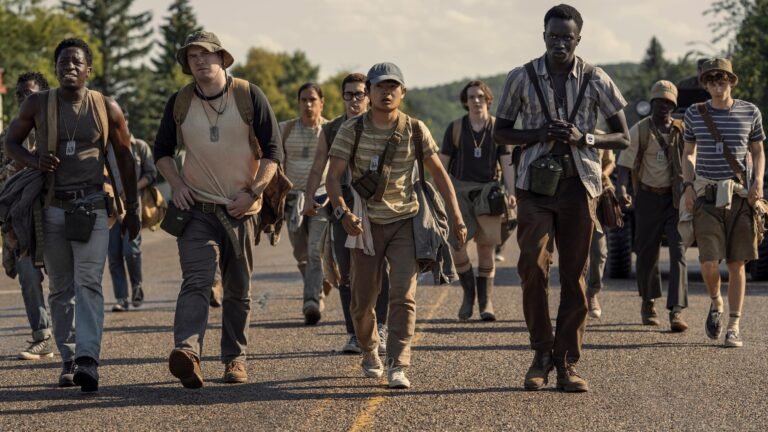
The story follows a group of young contestants taking part in a deadly walking competition. The rules are simple but ruthless: keep moving forward or face the consequences. What begins as a test of endurance quickly becomes something much darker as fatigue, fear, and desperation begin to take hold.
As the miles stretch on, physical exhaustion becomes only part of the challenge. Friendships form, rivalries emerge, and each participant is forced to confront their own limits. The real battle is not against the road itself, but against the creeping realization that survival may require sacrifices none of them are prepared to make.
The film transforms an ordinary act, walking, into a source of relentless tension. Every conversation, stumble, and moment of hesitation carries weight, creating an atmosphere where danger feels constant even when very little is happening on screen.
✅ What Works
Atmosphere Over Spectacle: One of the film’s biggest strengths is its ability to create suspense without relying on traditional horror elements. The sound design plays a major role, turning footsteps, heavy breathing, and the empty stretch of road into sources of anxiety. The tension rarely lets up because the threat is always present.
String Visual Storytelling: The cinematography does an excellent job of emphasizing both the scale and isolation of the journey. Wide shots make the contestants appear insignificant against the endless landscape, while closer moments capture the growing exhaustion written across their faces. The result is a film that feels both expansive and claustrophobic at the same time.
Grounded Performances: The cast delivers believable performances that help sell the emotional weight of the story. Rather than relying on dramatic outbursts, the characters feel increasingly worn down by the experience, making their struggles feel authentic. As the competition progresses, their fear and desperation become impossible to ignore.
❌ Where It Falls Short
Slow Pacing May Test Some Viewers: The deliberate pace is central to the film’s identity, but it will not work for everyone. Certain sections in the middle feel repetitive, and viewers expecting frequent twists or action-heavy sequences may find the journey occasionally drags.
Too Much Mystery: The film benefits from leaving some questions unanswered, but it sometimes holds back a little too much information. By the final act, a clearer understanding of the larger circumstances surrounding the competition could have strengthened the emotional impact of the story.
Limited Narrative Variety: Because the premise is intentionally simple, the film occasionally struggles to introduce fresh developments during its runtime. While the character interactions help maintain interest, the structure can feel repetitive as the story progresses.
⚖️ Final Verdict: 4/5
The Long Walk is a tense, emotionally draining survival thriller that proves horror does not need monsters to be effective. By focusing on endurance, isolation, and the gradual collapse of hope, it creates a constant sense of unease that lingers long after the credits roll.
While its slow pacing and ambiguity may not appeal to every viewer, the strong performances, immersive atmosphere, and psychological tension make it a rewarding experience. It is a haunting reminder that sometimes the most frightening battles are the ones fought within ourselves.
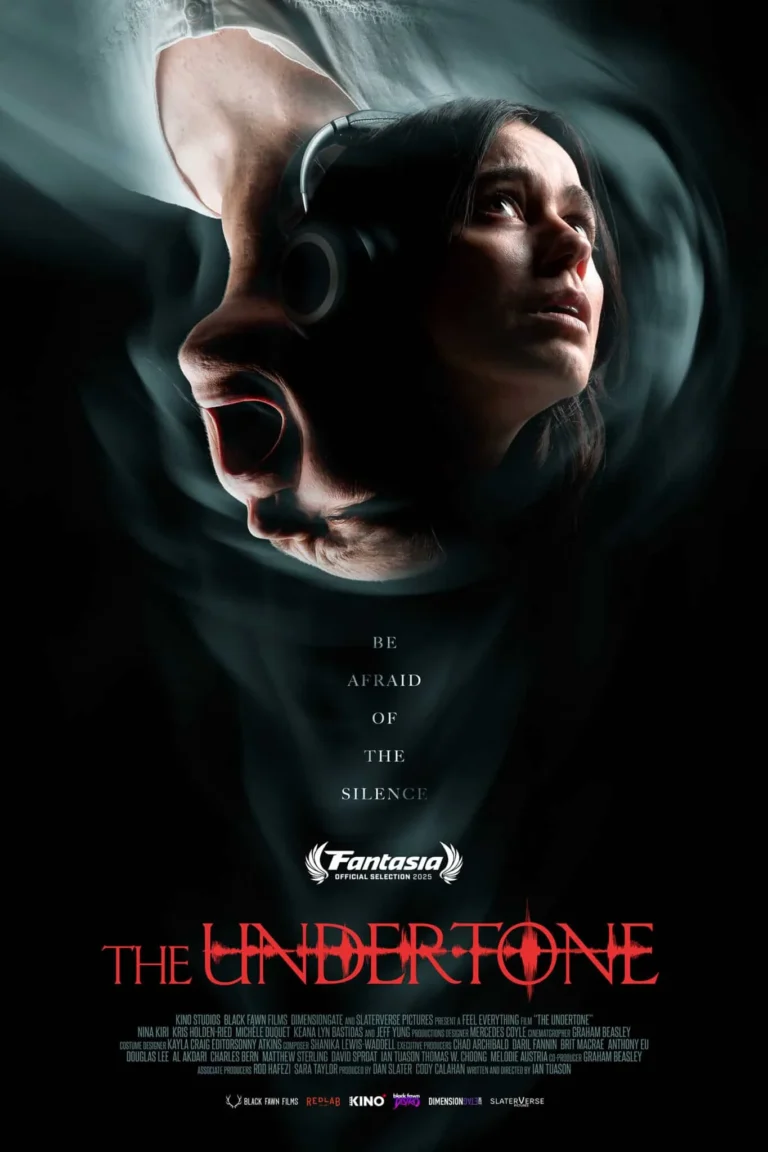
A24’s Undertone, the $500K horror debut that turned headphones into a weapon, lands on HBO Max on June 26, and its journey there is wilder than the movie itself.
Evy (Nina Kiri), a skeptical paranormal podcaster, is holed up in her childhood home caring for her dying mother when her show receives ten anonymous audio recordings that start bleeding into real life. Director Ian Tuason, making his feature debut, shot the whole thing inside his actual parents’ house while caregiving for them, and told Variety the experience basically reversed the haunting: “The house got haunted, and I had to live in it.”
Undertone premiered at the Fantasia Film Festival in July 2025, where it ignited a bidding war. A24 closed a seven-figure deal a few weeks later, before the film went on to screen at Sundance that January. It hit theaters in March and turned its $500K budget into nearly $22 million at the box office. It currently sits at 74% on Rotten Tomatoes, Certified Fresh.
Why critics are obsessed. It’s all about the sound. RogerEbert.com called it a showcase that announces Tuason as a major talent; Collider went further, floating it as a real contender for the Best Sound Oscar at the 2027 ceremony. Not everyone’s sold, The Guardian gave it a more tepid 2/5, lumping it in with Hereditary, Paranormal Activity, and a handful of other genre touchstones as well-trodden ground, but the overall consensus leans firmly in its favor.
The buzz already landed Tuason his next gig, directing Blumhouse’s eighth Paranormal Activity installment, a franchise this film clearly has in its bones.