


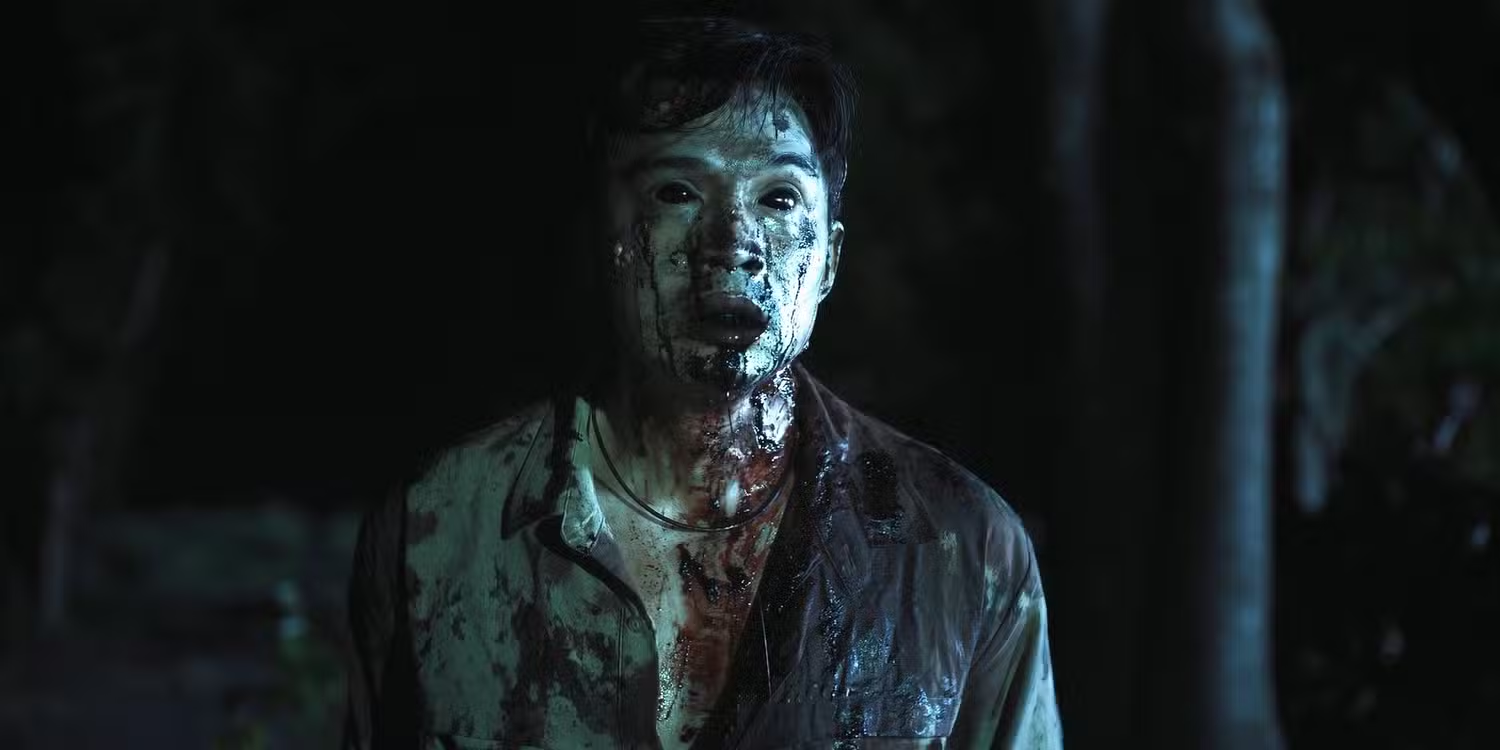
Outside is a zombie movie that abandons the traditional makeup of a typical undead film. Instead of centering the story on flesh-eating monsters roaming the Philippine countryside, director Carlo Ledesma uses the apocalypse as a narrative trap. What unfolds is a psychological drama where the real terror has nothing to do with the pandemic. Beneath the looming threat of the undead lies something far more unsettling: the lingering scars of generational trauma.
The Abel family begins their story already on the brink. As a viral outbreak transforms the population into violent, fast-moving zombies, patriarch Francis relocates his wife, Iris, and their two sons to his secluded ancestral mansion in the countryside. On paper, the plan makes sense. The estate is remote, fortified, and stocked with enough space and resources to survive the chaos sweeping across the nation. It should function as a refuge from the collapse of civilization.
Instead, it becomes something else entirely.
The mansion itself is steeped in Francis’s darkest childhood memories. Every hallway, every room, and every shadowed corner carries the emotional residue of his abusive upbringing. Returning to the estate means confronting the very environment that shaped his trauma, and the weight of that history begins to press heavily on his fragile mental state.
As the infected gather beyond the property’s boundaries, the real danger begins to grow inside the house.
The family’s fragile structure begins to fracture under the pressure of isolation and unresolved secrets. The film’s tension no longer comes from the infected at the gates but from the volatile unpredictability of the man inside the house. What begins as a survival story quietly transforms into a claustrophobic psychological standoff, trapping the family in a terrifying game of control, resentment, and emotional collapse.
✅ What Works
A Masterclass in Psychological Tension:
Sid Lucero delivers an intensely unsettling performance as Francis. Rather than portraying a conventional antagonist, he embodies a man slowly disintegrating under the weight of unresolved trauma and collapsing authority. His desperation for control makes him unpredictable.
The “Echoing” Undead:
One of the film’s most chilling ideas is its reinterpretation of zombie behavior. The infected retain fragments of their final moments, mindlessly repeating their last spoken words. Hearing a monster whisper something mundane like “Passport please” or a soft “Sorry” while attacking adds a tragic, eerie dimension to the horror.
Suffocating Cinematography:
The ancestral mansion is filmed in a way that emphasizes both its beauty and its oppressive atmosphere. Wide shots highlight the emptiness of the estate while dimly lit corridors and distant rooms create a constant sense of unease. Despite the size of the house, the camera work makes it feel increasingly claustrophobic.
Grounded Emotional Stakes:
By tying the apocalypse to a crumbling marriage and unresolved family trauma, the film grounds its horror in something painfully human. The story becomes less about survival against monsters and more about navigating the terrifying power dynamics within a dysfunctional household.
❌ Where It Falls Short
A Punishing Runtime:
The film stretches its slow-burn approach to the limit with a runtime of over two hours. While the gradual build of tension works at times, several scenes linger longer than necessary, occasionally stalling the narrative momentum.
Sidelined Zombies:
For a zombie film, the undead often feel like a distant background element. Because the story is so heavily focused on the family drama, the external threat rarely receives the same level of attention, making the apocalypse feel strangely muted.
Frustrating Protagonists:
The characters frequently make decisions that test the audience’s patience. Miscommunication and emotional stubbornness drive much of the conflict, and while these behaviors reflect their trauma, they can still feel frustrating from a storytelling perspective.
⚖️ Final Verdict: 3.5/5
Outside is a bold departure from traditional zombie storytelling. Instead of leaning into spectacle or relentless action, the film explores the emotional wreckage that festers inside a family already on the verge of collapse. While its extended runtime and minimal focus on the undead may disappoint viewers expecting a more conventional horror experience, the film’s psychological depth and strong central performance make it a memorable entry in the genre.
